



არამიწიერი სიცოცხლისათვის გადამწყვეტი ქიმიური ელემენტი სამყაროში ძალიან ცოტაა
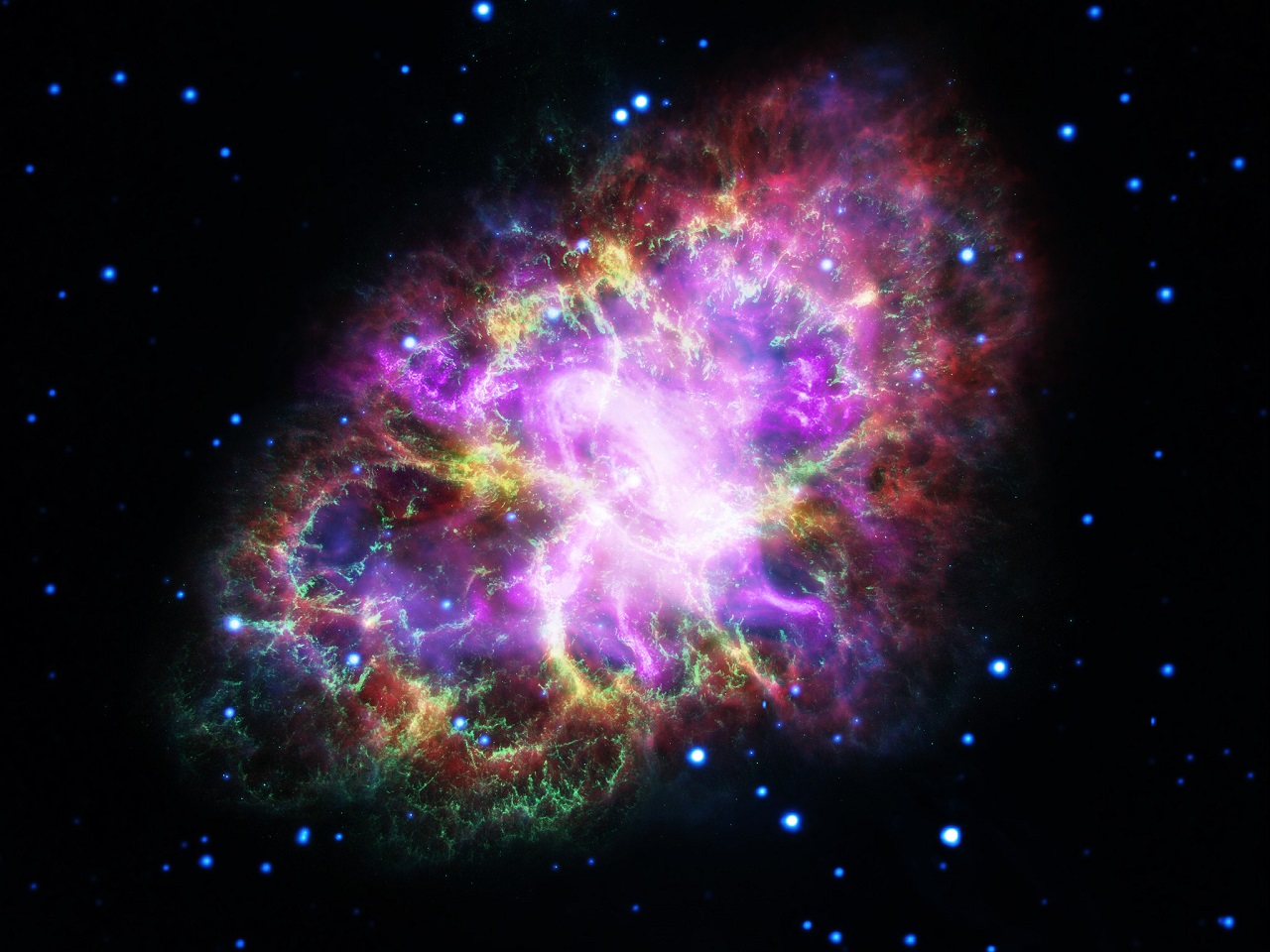
This captivating new image shows the Crab Nebula in bright neon colours. The unusual image was produced by combining data from telescopes spanning nearly the entire electromagnetic spectrum, from radio waves to X-rays. The Karl G. Jansky Very Large Array (VLA) provided information about the nebula gathered in the radio regime (coloured in red). NASA’s Spitzer Space Telescope took images in the infrared (yellow). The NASA/ESA Hubble Space Telescope provided the images made in optical wavelengths (coloured in green). ESA’s XMM-Newton telescope observed the Crab Nebula in the ultraviolet (blue) and NASA’s Chandra X-ray Observatory provided the data for X-ray radiation (purple). The Crab Nebula, located 6500 light-years from Earth in the constellation of Taurus (The Bull), is the result of a supernova explosion which was observed by Chinese and other astronomers in 1054. At its centre is a pulsar: a super-dense neutron star, spinning once every 33 milliseconds, shooting out rotating lighthouse-like beams of radio waves and visible light. Surrounding the pulsar lies a mix of material; some of it was originally expelled from the star before it went supernova, and the rest was ejected during the explosion itself. Fast-moving winds of particles fly off from the neutron star, energising the dust and gas around it. These different layers and intricacies of the nebula can be observed in all of the different wavelengths of light. Links: Very Large Array (radio) Image of the Crab Nebula Spitzer Space Telescope (infrared) Image of the Crab Nebula Hubble Space Telescope (visible) Image of the Crab Nebula XMM-Newton (ultraviolet) Image of the Crab Nebula Chandra X-ray Observatory (X-ray) Image of the Crab Nebula Video of Crab Nebula seen in different wavelengths
ფოსფორი სიცოცხლისთვის აუცილებელი ერთ-ერთი გადამწყვეტი ქიმიური ელემენტია. ახალი კვლევის მიხედვით, სამყაროს მასშტაბით ეს ელემენტი იმაზე ბევრად ნაკლებად უნდა იყოს გავრცელებული, ვიდრე აქამდე გვეგონა. ეს ამბავი ალბათ ძალიან ცუდია მათთვის, ვინც კოსმოსში არამიწეირი სიცოცხლის პოვნას იმედოვნებდა.
მეცნიერთა აზრით, სიცოცხლის მიმნიჭებელი ფოსფორი, რომელიც ორგანიზმის განვითარების დაწყებისთვის აუცილებელ ქიმიური რეაქციებს იწვევს, დედამიწაზე მეტეორიტებმა მოიტანა. ამ მოსაზრების მიხედვით, სხვა პლანეტებზე სიცოცხლის არსებობის შანსი ნამდვილად არსებობს.
ფოსფორი განსაკუთრებით მნიშვნელოვანია ნაერთ ადენოზინტრიფოსფორმჟავას, ანუ ატფ-ისათვის. ეს გახლავთ მოლეკულური უჯრედები, რომლებიც ენერგიის შესანახად და გადასაცემად გამოიყენება.
ახალი კვლევის ფარგლებში, მეცნიერებმა შეისწავლეს კანარის კუნძულებზე მოქმედი უილიამ ჰერშელის ტელესკოპის მონაცემები. კიბორჩხალას ნისლეულში მათ გაზომეს ფოსფორისა და რკინის მიერ წარმოქმნილი ინფრაწითელი სინათლე. კიბორჩხალას ნისლეული სუპერნოვას, ანუ აფეთქებული ვარსკვლავის ნარჩენებია დედამიწიდან 6500 სინათლის წლის მანძილზე.
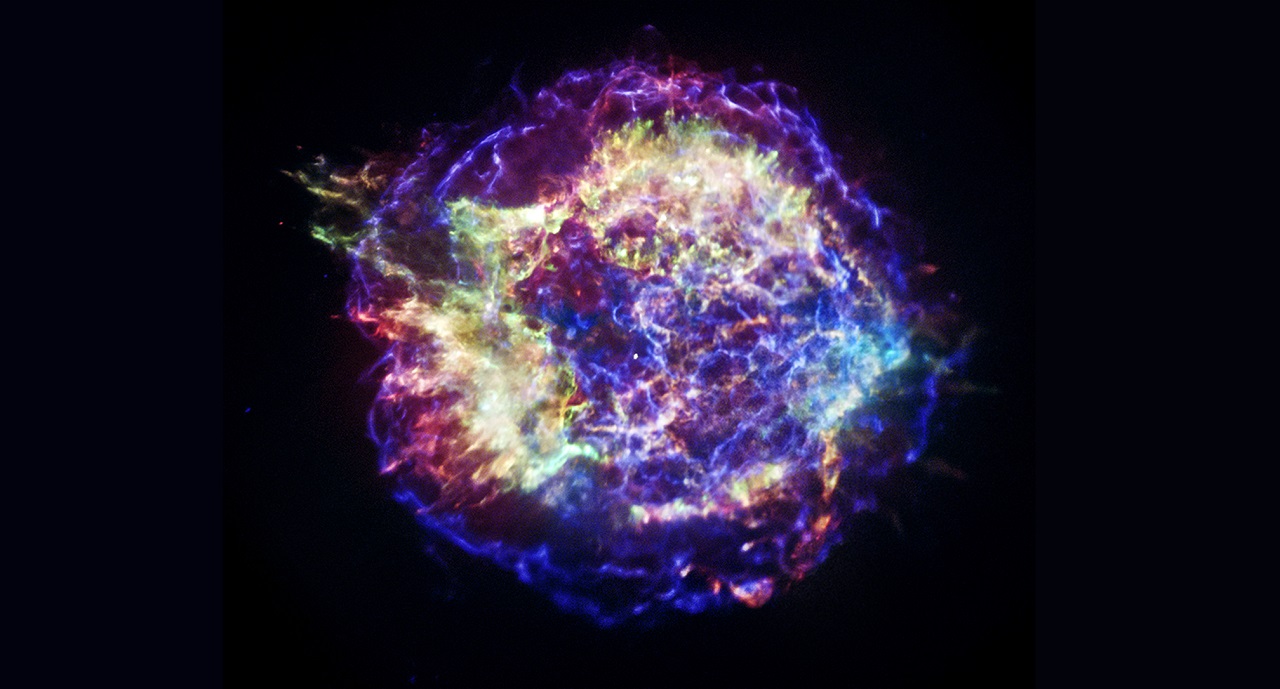
მიღებული შედეგები შეადარეს სუპერნოვას ნარჩენ კასიოპეა A-ს მონაცემებს. აღმოჩნდა, რომ კიბორჩხალას ნისლეულში გაცილებით ნაკლები ფოსფორია.
როგორც შედეგები მიუთითებს, ზოგიერთ ვარსკვლავურ სისტემას ეს ნივთიერება შეიძლება ძალიან ცოტა ჰქონდეს. თუმცა, ჯგუფი იმასაც შენიშნავს, რომ კვლევა ჯერ ძალიან ადრეულ ეტაპზეა.
„როგორც ჩანს, ეს ორი აფეთქება ერთმანეთისგან საკმაოდ განსხვავდება. ალბათ იმიტომ, რომ კასიოპეა A წარმოქმნილია უიშვიათესად სუპერმასიური ვარსკვლავის აფეთქების შედეგად“, — ამბობს ჯგუფის წევრი, კარდიფის უნივერსიტეტის ასტრონიომი ფილ სიგანი.
„ამ ეტაპზე, ვიწყებთ ტელესკოპით უფრო დიდხანს დაკვირვებას, რათა დავრწმუნდეთ, რომ ნამდვილად არ გამოგვრჩენია კიბორჩხალას ნისლეულის ფოსფორით მდიდარი რეგიონები“, — ამბობს სიგანი.
წინა კვლევების შედეგად დადასტურებულია, რომ ფოსფორი წარმოქმნილია სუპერმასიურ ვარსკვლავთა აფეთქების, ანუ სუპერნოვას შედეგად. თუმცა მეცნიერები თავს იმტვრევდნენ იმის გასარკვევად, რა ოდენობის ფოსფორი წარმოიქმნებოდა ამ სასტიკი კოსმოსური აფეთქებების დროს.
თუკი სუპერნოვების მიერ კოსმოსში ისეთივე ცოტა ფოსფორი გაიტყორცნება, როგორც ეს კასიოპეა A-სა და კიბორჩხალას ნისლეულის შემთხვევაში ვნახეთ, ლოგიკურია ვივარაუდოთ, რომ გაცილებით ნაკლებია საჭირო ქიმიურ ნაერთთა მოხვედრის შანსი შესაფერის პლანეტაზე სიცოცხლის აღმოცენებისთვის.
„ერთ-ერთი შესაძლებლობის მიხედვით, ფოსფორის დონეზე გავლენას ახდენს ვარსკვლავთა ასაკი“, — უთხრეს მკვლევრებმა გამოცემა Popular Mechanics-ს.
მეორე შესაძლებლობის მიხედვით კი, კასიოპეა A-ს უკიდურესმა სიმკვრივემ განაპირობა უფრო მეტი რეაქციები, თუმცა ამაში მკვლევრები ბოლომდე დარწმუნებული არ არიან.
სუპერნოვასა და ფოსფორის ურთიერთკავშირის დასაზუსტებლად საჭიროა მეტი კვლევა. მკვლევართა აზრით, არამიწიერ ორგანიზმთა აღმოცენების ალბათობა დიდწილად დამოკიდებული უნდა იყოს ახლომახლო მომხდარი სუპერნოვას ტიპზე, რომ აღარაფერი ვთქვათ კონკრეტულ პლანეტათა სხვა გარემოებებზე.
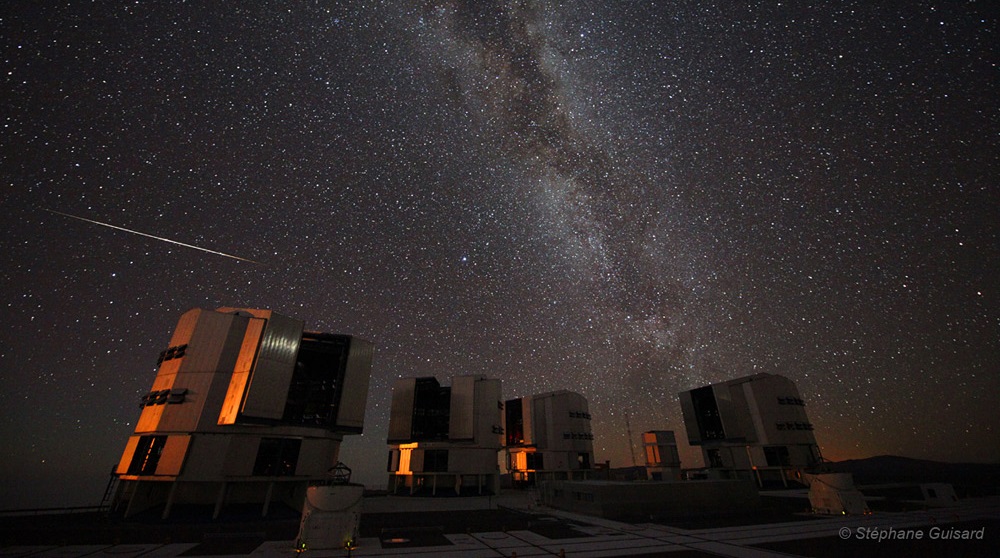
„თუ ფოსფორის ერთადერთი წყარო მხოლოდ სუპერნოვაა და ეს ელემენტი კოსმოსში მეტეორიტებით მოგზაურობს, მაინტერესებს, შეიძლება თუ არა, ახალგაზრდა პლანეტა ფოსფორნაკლული აღმოჩნდეს მხოლოდ იმიტომ, რომ ის იმ კონკრეტულ ადგილას დაიბადა?“, — ამბობს კარდიფის უნივერსიტეტის მკვლევარი ჯეინ გრივისი.
მისი თქმით, სიცოცხლის აღმოცენება ნამდვილად ეჭვქვეშ დადგება ფოსფორით ღარიბ ქიმიურ გარემოში, ანუ ჩვენგან განსხვავებულ სისტემაში.
მომზადებულია Popular Mechanics-ისა და ScienceAlert-ის მიხედვით