


Lelo: Amendments to Law on Grants could restrict right to political activity, freedom of expression, and speech
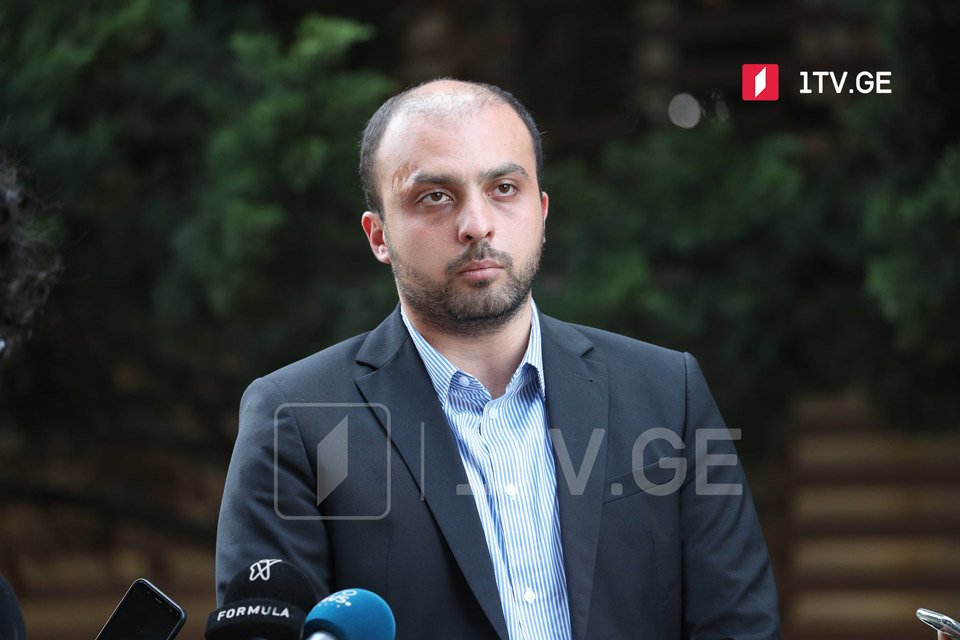
“The amendment to the Law on Grants is precisely the realisation of what we warned the public about two or three years ago, that it was a replication of the Russian model. The same path that Putin’s Russia has been following since 2012,” stated Giorgi Sioridze, a member of the Lelo-Strong Georgia party.
According to him, “anyone can fall victim to financial repression.”
“In Ivanishvili’s Georgia, everything is happening at an accelerated pace. Previously, those citizens who relied on propaganda and shaped their view of reality through it believed that it would only harm non-governmental organisations; now, they are likely to be convinced that it affects every citizen. Most of the population has a family member abroad who sends them food and money. Remittances from abroad to Georgia total approximately 3.3 billion dollars annually. Anyone can now become a victim of this financial repression.
Anyone’s fundamental rights – such as the right to political activity, freedom of expression, and free speech – can be curtailed. It is also hypocritical when the leaders of Georgian Dream, such as Kobakhidze, Papuashvili, and Samkharadze, who come not only from the non-governmental sector but, in their own view, from an even greater perceived threat, namely, international organisations and donors, now portray these bodies as harmful. Previously, it was claimed they were doing a good job; today, it’s suggested they are meddling in Georgia’s internal affairs. Perhaps, at least, this should serve as a wake-up call to those in society who still believe this is not the Russian way,” Sioridze remarked.
For context, the leader of the majority, Irakli Kirtskhalia, announced following the parliamentary majority session on January 28 that several legislative amendments had been drafted. Specifically, Kirtskhalia mentioned that an amendment to the Law of Georgia on Grants was being prepared to establish criminal liability and to criminalise external lobbying. Additionally, amendments to the Law on Political Associations of Citizens and regulations concerning the public political activity of entrepreneurial entities have also been drafted.