


Parliamentary commission on pricing structures hears from six major food distribution and manufacturing companies
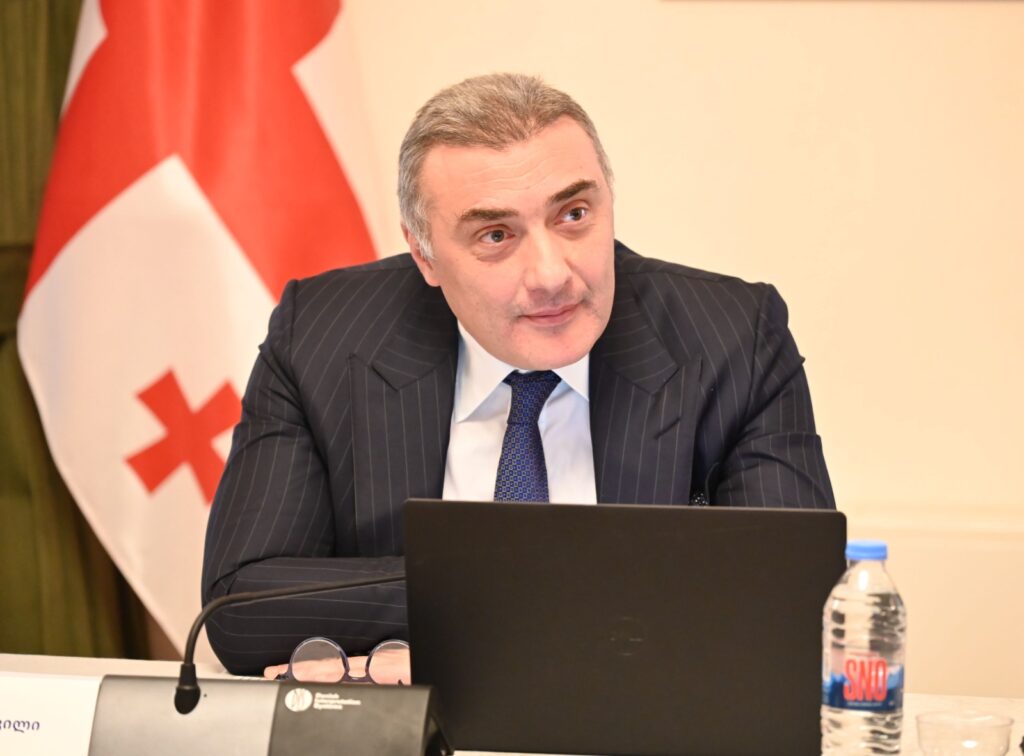
At a session of the Parliament’s temporary commission examining the pricing structures of food products, medicines, and fuel, commission members heard testimony from representatives of distribution and manufacturing companies on matters relating to the structure of the food products market, pricing chains, and the sector’s operational processes.
Those invited to attend included representatives of: Lactalis Georgia LLC, Georgian Distribution and Marketing Company LLC, Diplomat Georgia LLC, Sharm Trading LLC, Mondelez Georgia LLC, and Foodservice LLC.
Company representatives spoke to the various factors influencing the pricing process, including consignment periods, marketing costs, bank loans, external factors, so-called cashback arrangements, and the underlying causes of high margins.
It was noted that reducing consignment periods and lowering the high share of logistics within operating costs would have a positive impact on decreasing overall prices.
Attention was also drawn to the reasons behind the price disparities for identical products between Georgia and neighbouring and European countries.
As Chairman of the Parliamentary Temporary Commission, Shota Berekashvili emphasised that the commission’s goal is to establish an institutional framework that ensures market relations are transparent, predictable, and competitive.
He also noted that, with today’s session, the commission has concluded its meetings with representatives of distribution companies.
“We heard very important information, including about business processes. Several problems came to light. The first is the payment period, which in certain cases is considerably lengthy; reducing it would give the sector a meaningful opportunity to become more robust. It would also be highly beneficial to enhance the monitoring of goods turnover by transitioning to a digital system, ensuring that both the sales process and price dynamics are transparently visible and easily accessible to the market.
The meeting made clear that, for you as representatives of large distribution companies, the cost of capital is a painful issue; deferred payment creates the need to attract greater credit capital or equity to finance business operations. To address this problem, the government is working on introducing new instruments to the market that will increase market liquidity. One such instrument is the Factoring Law, which has passed its first reading in Parliament. Once enacted, the measure will enhance market liquidity. Currently, liquidity is quite limited, which increases risk and is reflected in higher unit prices for products. I believe that boosting liquidity will lead to substantial positive outcomes,” said Berekashvili.
He further noted that additional barriers exist in relation to access to retail networks.
“This process needs to be simplified, so that not only large distributors, but also medium and small ones, can compete in the market. It is equally essential that the introduction of new products becomes more efficient and that competition improves,” the commission chairman stated.
Shota Berekashvili confirmed that the parliamentary temporary commission will meet with representatives of retail chains at its next session.