


UNM’s Tslidze: If anyone was informal leader of UNM, it was Nika Gvaramia
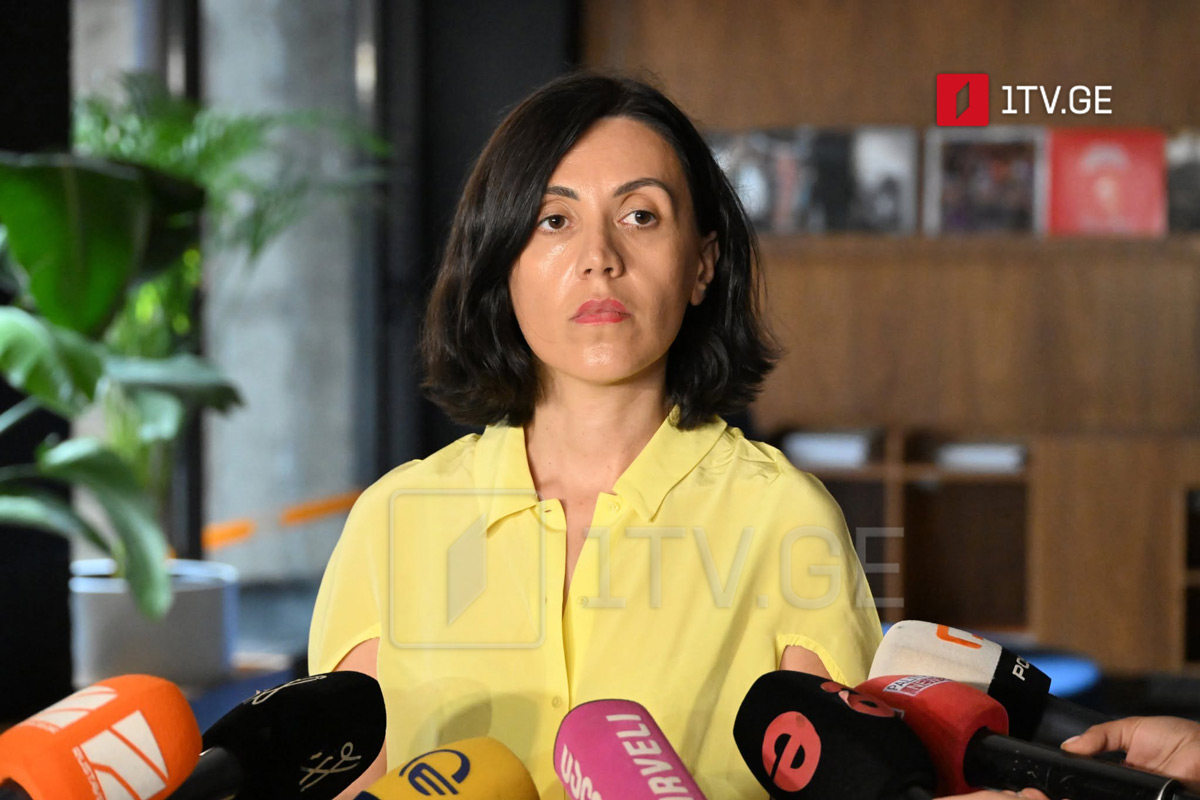
“Everyone who left the United National Movement did so because of personal ambitions. The main challenge facing the opposition spectrum is that they love their own egos and ambitions more than they love this fight. In 2024, the main goal of the opposition parties was to defeat the United National Movement,” UNM member Ana Tsitlidze said.
According to Tsitlidze, she had offered Nika Gvaramia to join the United National Movement, but he declined.
Tsitlidze claimed that Gvaramia wanted to become the leading opposition force in the 2024 parliamentary elections.
“Misha said both in 2020 and 2024 that we did not want a number, we did not want a party, and we did not want quotas on the parliamentary list; he wanted it to be a joint effort. At that time, Nika Gvaramia disrupted all of this. He said he did not want to be on a list together with the ‘UNM’ and that he would attract more people himself,” Tsitlidze said.
She questioned how Gvaramia could have attracted additional voters, saying that he had long been associated with the UNM.
“When Nika was not yet in Ahali, I told him that the most logical thing would be for him to join the United National Movement. This was when Levan Khabeishvili was saying, ‘I will step down; if he wants to become chairman, let him come.’ Gvaramia told me very clearly at the time that he was not going to ‘play Mikheil’s game’ or become chairman of his party, and that he would need a complete carte blanche,” Tsitlidze said.
According to Tsitlidze, Gvaramia wanted full control over the political project.
“He said that in 2024 he would become the leading opposition force and that in 2028 he would take over the government,” she said.
Tsitlidze also discussed Gvaramia’s long-standing relationship with former Georgian President Mikheil Saakashvili and his role at the opposition television channel Mtavari Arkhi.
“Gvaramia was part of Misha’s closest circle for 14 years. He was responsible for many things. When he was sitting as the director of Mtavari, it was not without reason. He capitalized on Misha’s resources — financial resources and influence,” Tsitlidze said.
“If there was anyone who was the informal leader of the United National Movement when he was director of Mtavari, it was him,” she added.