


UNM’s Pavlenishvili: Activation of Moscow Mechanism signals Georgia’s serious human rights crisis
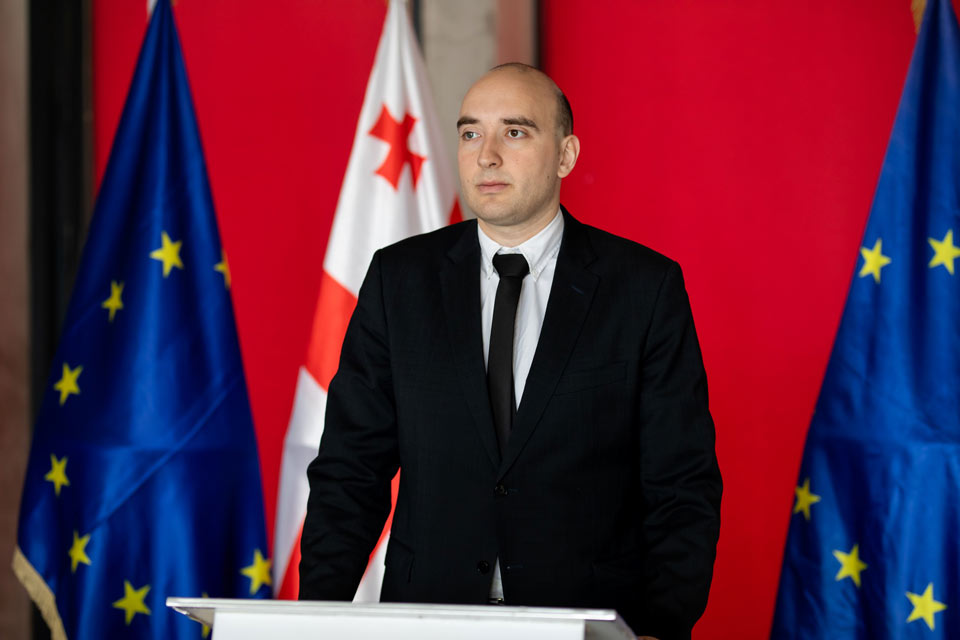
“The activation of the Moscow Mechanism clearly indicates that Georgia is facing systemic human rights and civil-political rights violations. This should be a cause for alarm, even for the Ivanishvili regime,” stated Irakli Pavlenishvili, a member of the United National Movement party.
Pavlenishvili explained that the activation of such a mechanism raises questions that the government must address.
“We have always warned that severe consequences could follow for Ivanishvili’s regime, as Europe will not tolerate such grave human rights violations. The activation of this mechanism paves the way for resolutions, sanctions, and legal actions.
When this mechanism is triggered, accountability becomes inevitable. The government, and possibly Ivanishvili’s regime, will have to face the consequences. The success of this process depends on how effectively they respond,” Pavlenishvili added.
Regarding potential consequences, he noted that such findings serve as a basis for decisions by various institutions.
“When this mechanism is triggered, and systemic violations are confirmed, questions of accountability arise, be it criminal liability or sanctions. The activation signals that Georgia is in a difficult situation concerning human rights and civil-political freedoms,” Pavlenishvili emphasised.
For context, Great Britain and 23 OSCE countries have invoked the OSCE Moscow Mechanism over Georgia’s deteriorating human rights situation, calling for the deployment of an expert mission.
On December 19, 2024, representatives of four parties, United National Movement Political Secretary Gia Baramidze, Coalition for Change member Giorgi Butikashvili, Gakharia for Georgia member Teona Akubardia, and Strong Georgia member Levan Samushia, held a briefing. They announced that they had jointly petitioned the OSCE/ODIHR to activate the Moscow Mechanism and send a special mission to Georgia.