


SSSG Head: Hexogen transport from Ukraine before elections cannot be viewed as coincidence
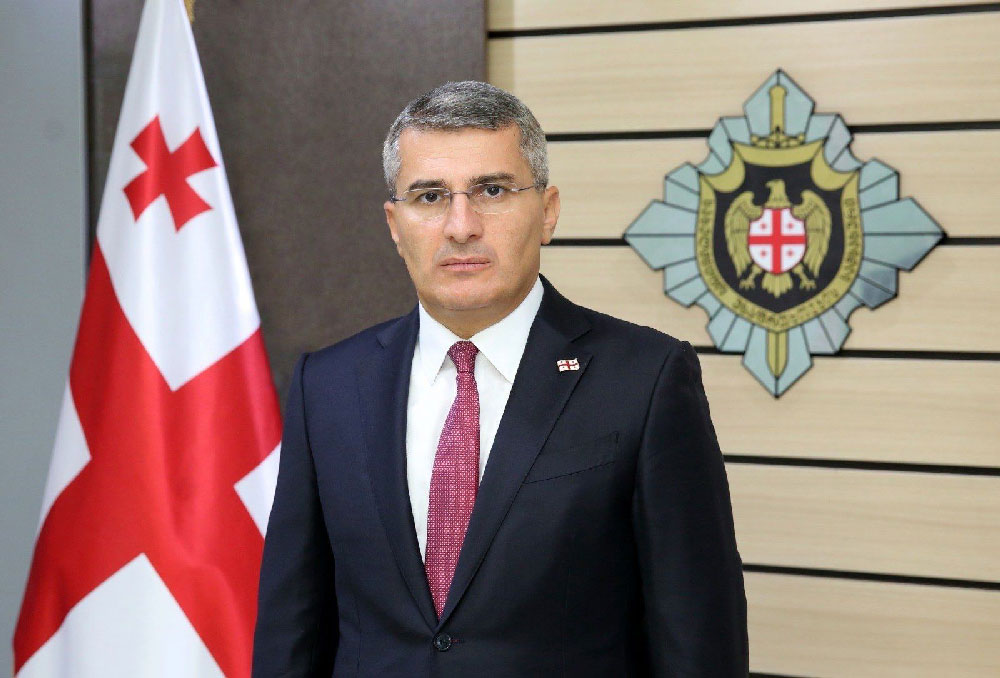
“Hexogen was transported from Ukraine through several countries. The investigation is currently considering two versions. At this stage, the more plausible version is that the substance remained in Georgia. However, there is also a version suggesting it was destined for Russia,” the head of the State Security Service, Mamuka Mdinaradze, stated during the program of Imedi TV.
He noted that Georgia avoided a serious threat.
“For security reasons, I cannot disclose all details today, but I will share what can be made public. First, I want to thank the employees of our service. Since arriving here, I have met many highly professional individuals who are extremely knowledgeable about their work. Their direct efforts, along with those of other agencies, led to the discovery of a powerful explosive substance. Had it remained in Georgia and been used, the consequences would have been disastrous. Our employees deserve recognition for preventing such an outcome.
“Hexogen” was transported from Ukraine through several countries. The investigation is focusing on two main scenarios. The first, and currently more plausible, is that the explosive was planned to remain in Georgia. The second suggests it was intended for Russia – the driver’s testimony supports this. Nonetheless, we avoided a serious threat, as the risk was extremely high in both scenarios.
Had this substance stayed in Georgia and been used in the kinds of incidents we occasionally hear about — including criminal attempts — the consequences could have been severe. Any attempt to use Georgia as a transit corridor for such explosives poses a significant risk to our country,” he stated.
In response to the program host’s question about the pre-election period and the role of Ukrainian special services—referencing Saakashvili’s covert entry before the elections and the explosion of Givi Targamadze’s car before the 2016 vote—Mamuka Mdinaradze said that such events, which often unfold from Ukraine to Georgia during election periods, cannot simply be seen as coincidences.
“I will refrain from political assessments due to my new position. However, we can say that similar incidents — such as the 2016 car bombing of Givi Targamadze and the covert entry of Mikheil Saakashvili into Georgia — were likely special operations aimed at creating unrest rather than targeting specific individuals. Unfortunately, the latest ‘Hexogen’ case also fits this pattern. Without the high professionalism of our special services, the consequences could have been catastrophic. At the very least, we cannot seriously consider this a coincidence. Such operations appear in Georgia before almost every election,” Mdinaradze stated.