


Speaker Papuashvili: Opponents treat Brussels like a Holy Shrine; speaking plainly in Brussels shatters its sacred status illusion
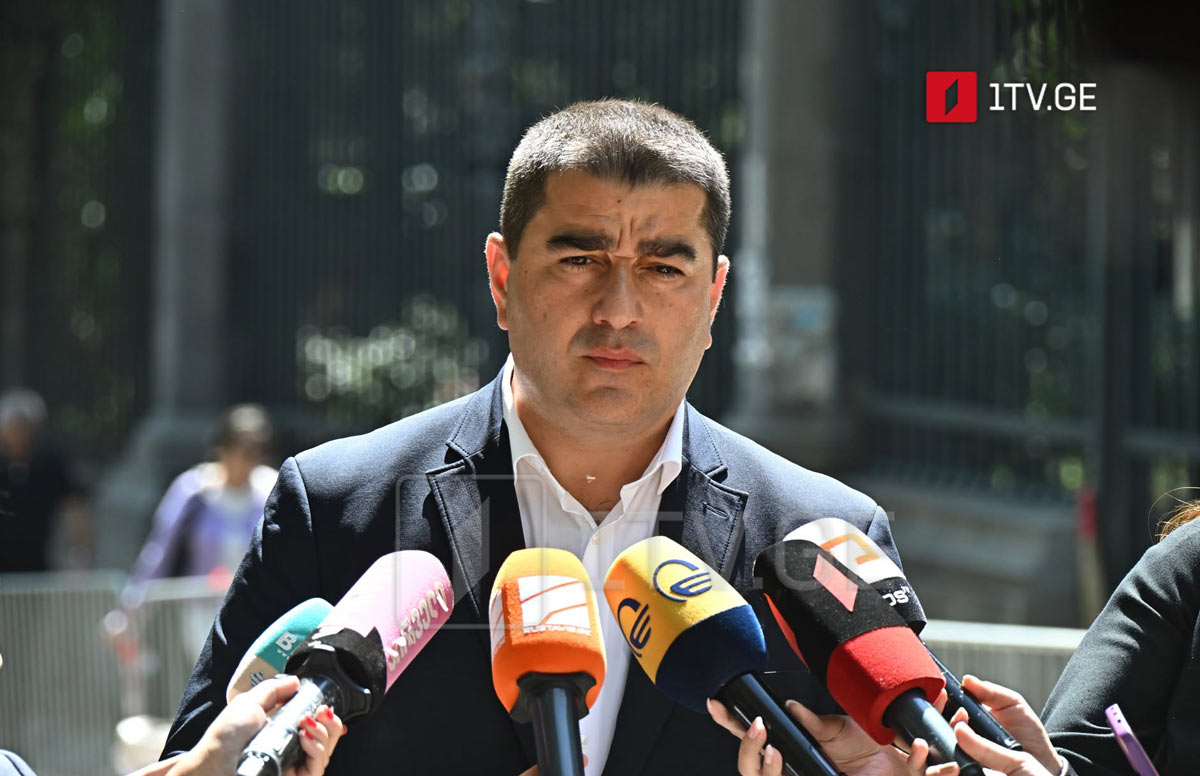
“Before returning from Brussels, the city sacred and eternal to the sect, I am reviewing the reactions to my description of their nature published on the 666th day since the sect’s founding,” Parliament Speaker Shalva Papuashvili wrote on social media.
According to Papuashvili, in the sect’s mind, upon entering the “holy city”, one’s voice, tone, and demeanour are expected to shift immediately, demanding more reverence, awe, bowed heads, and cast-down eyes. As Papuashvili puts it, it seems that in the sect’s view, one is expected to check one’s own opinions at the door when entering Brussels.
“Before returning from Brussels, the city sacred and eternal to the sect, I am reviewing the reactions to my description of their nature published on the 666th day since the sect’s founding.
The initial impression is already striking: in attempting to respond, members of the sect themselves confirm the very traits described in the text. Therefore, I will periodically return to these reactions with specific examples.
Let this reaction serve as the first example: ‘He’s in Brussels, yet how can he not soften his critical tone?’
In their mind, the moment you enter the ‘holy city’, your voice, tone, and behaviour ought to change, demanding greater reverence, awe, a bowed head, and cast-down eyes.
And when someone says the exact same thing in Brussels as they do in Tbilisi, their belief in the supernatural power of the holy place cracks: how could you go there and not speak with a bowed head? That is precisely where the hysteria begins. Preserving independent judgment becomes, in their eyes, an act of sacrilege. And whatever causes their faith to crack must be cast out immediately. Whoever refuses to bow their head must be verbally stoned.
It seems that, in the sect’s view, upon entering Brussels, one is expected to leave one’s own opinions at the entrance.
In the photo: A sculpture in the Belgian city of Namur – In Search of Utopia,” Papuashvili wrote.