


Speaker: Adults and young people knew they were sacrificing Georgia for chaos; Nepal failed, Georgia escaped return to 90s
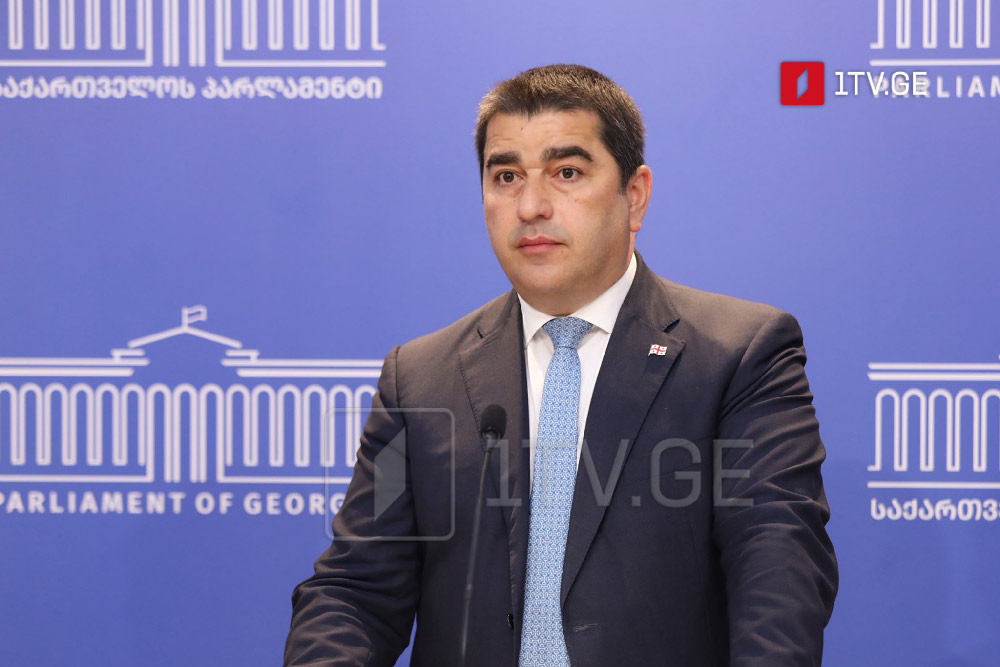
“Those who, during the defeat, placed the weak, the elderly, and the vulnerable on the front lines and sacrificed them, who now shy away from responsibility and are merely speculating about those who have been detained, face both moral and legal accountability,” writes the Speaker of Parliament, Shalva Papuashvili.
According to Papuashvili, the country narrowly escaped chaos and a return to the turmoil of the 1990s.
“Everyone knew exactly what was happening. They knew that at four o’clock on October 4, they were gathering to organise Nepal. They knew that if they succeeded in their goal and overthrew the government, they would pull out their blacklists, scrutinise the names, and decide who would be hanged from which pole, whose family they would pursue next.
They would set their targets and, against anyone who dared to oppose them, they would be met with violence. Some would act, others would cheer, and still others would take pictures with their mobile phones. They consider this contempt to be their legitimate right.
Everyone present at four on October 4 knew that, politicians and engineers, adults and young people, doctors and professionals alike. They knew they were sacrificing the country for chaos. And yet, they came anyway.
Nepal scenario failed, neither bloodshed happened. The country escaped chaos and a return to the 90s. The destroyers of its future were defeated.
Every individual had a choice to follow or not, to come in four o’clock or not, to throw a stone at a policeman or not, to storm the presidential palace or not. Each person made their own decision.
And every decision bears consequences. Those who have the courage to make a choice must also have the courage to accept its outcomes.
And yet, those who, during the defeat, placed the weak, the elderly, and the vulnerable on the front lines, and now shy away from responsibility and are merely speculating about the detainees, must face moral accountability alongside legal responsibility,” Papuashvili concludes.