


Nika Gvaramia demands answers from figures who gave ‘carte blanche’ to doomed October 4 gamble before flattening critics
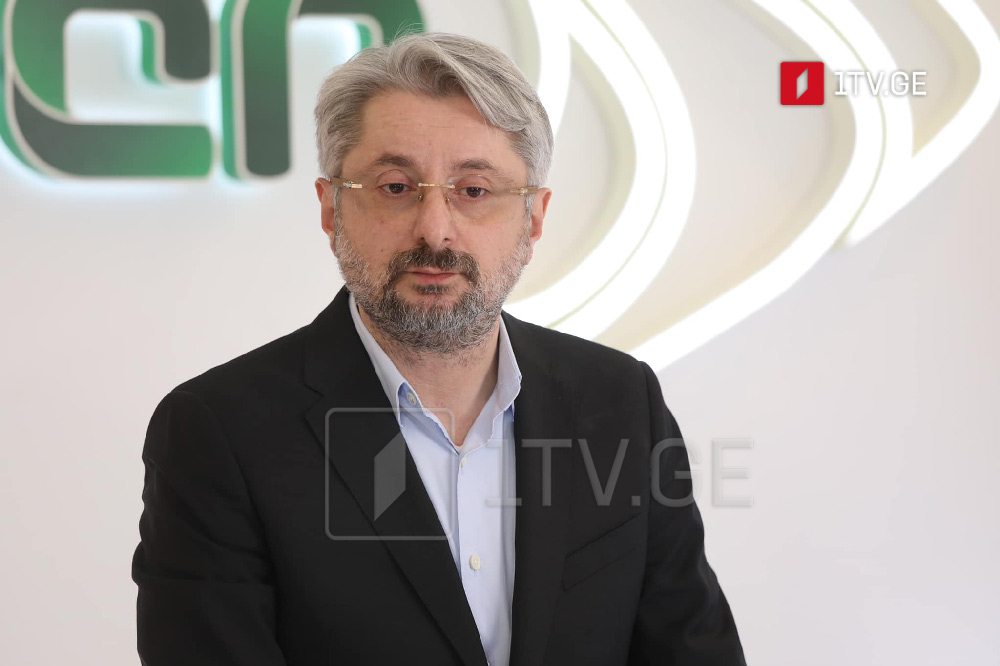
“Following today’s inhumane verdict, I want to ask in all sincerity: where are they now and what do they intend to do, including those politicians who are my friends, the journalists, the writers, the social media so-called influencers, and others? They not only gave full carte blanche to the reckless adventure of October 4, which was doomed to failure from the very outset, but they utterly hounded the rest of us, in the literal sense of the word, who were trying, either directly or even through hints, to bring some clarity and rationality to the collective psychosis and clouded judgement that afflicted a very significant and otherwise intelligent section of the patriotic and democratic spectrum,” writes Nika Gvaramia, one of the leaders of the Opposition Alliance, on social media.
As Nika Gvaramia writes, “Even people I deeply trusted, respected, and loved subjected my family, who were already in a dire predicament, to such intense ostracism because of my stance, that far from wanting to get out of prison, it made me lose the very will to live and, for the first time, made me contemplate leaving Georgia.”
“I have publicly shared my experience regarding October 4 many times before: I have never had such a difficult time in prison, not during any of my previous detentions. Even people I deeply trusted, respected, and loved subjected my family, who were already in a dire predicament, to such intense ostracism because of my stance, that far from wanting to get out of prison, it made me lose the very will to live and, for the first time, made me contemplate leaving Georgia.
Many of them sent messages to the prison and to my family; many spoke to me directly via television without naming names; many wrote on social media, tag-mentioning me directly. There were staggering attacks on my party and my political allies as well. The aforementioned people subjected Elene Khoshtaria to such merciless, direct persecution that even today, when she is in prison and in an extremely grave state of health, I do not think she is suffering as heavily as she did under their assault back then. Yes, having an enemy lock you up in prison is hard, but what is far heavier is when friends and respectable people unjustly brand you a sell-out, a coward, an ally of Bidzina, and a thousand other vile things.
I, and even more so Elene (who was on the outside at the time), along with a handful of others, were not cowards; we were probably the most courageous, correct, and clear-headed people at that moment, trying to bring the public back to its senses. Despite this, I still cannot forgive myself for not speaking out more from prison, for not criticising more severely, and for not exposing it all more openly. At the very least, I should have shamed them more for how they exploited the public’s exhaustion, the goodwill of a media in a difficult plight, the rashness and impatience driven by our Georgian temperament, and the tragic grief of the political prisoners’ parents. Yes, I gave in. I gave in not for my own sake, but because of the situation into which my wife, my party friends, and my political allies had been thrown. I surrendered; something completely uncharacteristic of me. I surrendered, and there is no excuse for it.
And yes, partly because of my surrender, I feel a sense of responsibility toward those who were locked up in prison today. Moreover, I feel a sense of responsibility even toward those among the organisers who blinded and deafened themselves so thoroughly that they chose to believe wishful thinking over reality. They fell for it, inflicting immense damage on both themselves and the protest movement; quite how the protests survived remains a mystery to me. What resilience it turned out to have, and what boundless loyalty to the homeland. Yes, a large number of the organisers are victims themselves, including victims of my surrender and my silence. But their silence today is wrong and unjustifiable. That is my view, though I believe it lacks all dignity to mock and judge those who are currently behind bars.
Yes, I feel this responsibility, and I will do the impossible to get these people out, just like all the other political prisoners. But to return to what I said at the beginning: where are you, friends and non-friends alike, who used to start and end your days with ‘the 4th, at 4 o’clock, in 4 hours’, and who branded even those who merely raised an eyebrow in bewilderment as traitors, cowards, and sell-outs? Or perhaps you think we do not remember you? No, we remember you, but we are not as merciless as you were, and we aren’t going to hound you out of town, even though you richly deserve it.
Let us speak of your political responsibility later; right now, something else is far more important: what, when, and how do you intend to act for the release of these prisoners? You lead, and I will follow you, and I will do so without uttering a single word of reproach, without an ounce of ‘I told you so’ regarding the rashness and recklessness of some, the unscrupulousness of others, or the misplaced careerism that sprouted in some quarters, and similar motives.
I am waiting for you, not with apologies and confessions, but with courageous and realistic plans. As I told you, you call the shots, and I will follow. Except ‘on the 4th, at 4 o’clock, in 4 hours’ will not be accepted. As the saying goes: ‘What’s the plan, then, what’s the plan?'” Gvaramia wrote.