


Mikheil Kareli: Saakashvili’s actions risked conflict in 2004; only Zurab Zhvania’s resistance prevented crisis
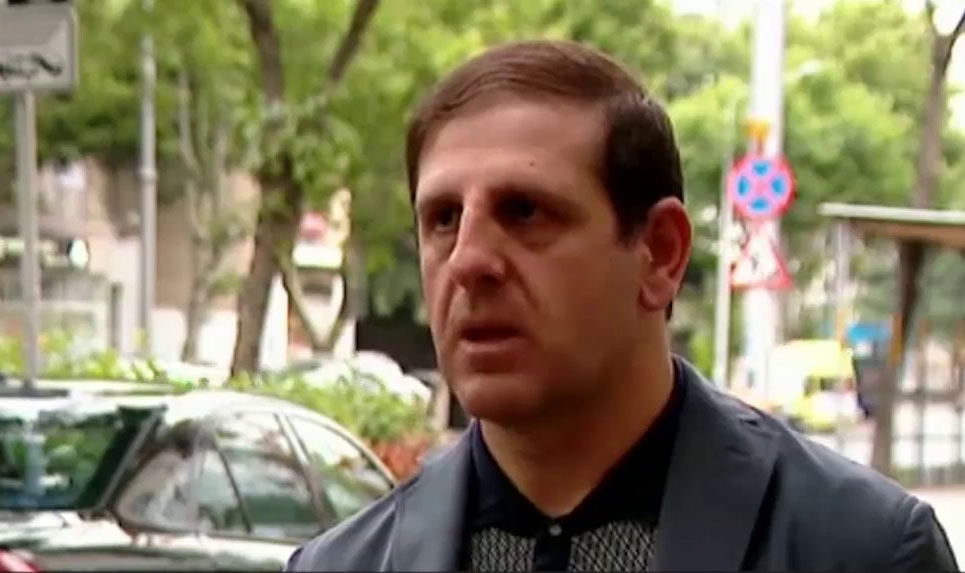
Mikheil Kareli, who served as the State Representative of Shida Kartli from 2004 to 2007, shared insights during a remote call to the ongoing session of the parliamentary investigative commission, which investigates the 2003-2012 government, reflecting on some aspects of Mikheil Saakashvili’s presidency.
Kareli revealed that former President Mikheil Saakashvili frequently expressed intentions to engage militarily in Tskhinvali.
“Following the events in Adjara, Saakashvili often asserted that we would soon enter Tskhinvali,” Kareli stated, having emphasized that the deployment of armed forces exacerbated the already tense situation in the region.
“We all remember the Adjara events when Aslan Abashidze fled, and the entire regional government fell under central authority. Shortly thereafter, President Saakashvili consistently mentioned that the Tskhinvali region would be next. I never fully understood what he meant, but he repeatedly indicated that we would soon enter Tskhinvali. While I didn’t know the specifics of this operation, it was later revealed that he and his political elite decided to deploy defence forces in response to provocations from the Ossetian side. Such provocations were not new; they always existed without any significant changes. While these provocations were undesirable, the decision to deploy troops only worsened the conflict. Each strategic move we made felt like it placed us in a more precarious position. Ultimately, the escalation did not yield the desired results.”
Kareli recounted a final meeting with Saakashvili, during which the atmosphere suggested that an agreement was imminent.
“There was a sense of understanding among the states involved, and it seemed that a small push would lead to the collapse of the so-called South Ossetian government, thereby restoring Georgia’s territorial integrity. This is a dream many Georgians share—to see a united Georgia. At the time, I believed that demonstrating military strength would lead to the swift disintegration of the South Ossetian administration. However, the deteriorating situation instilled fear in the local population, who found themselves vulnerable and abandoned during critical times. This fear fostered panic and heightened tension.”
Kareli also addressed the internal turmoil within the military, noting that the head of the General Staff resigned due to the political elite’s blatant interference, further contributing to the potential for conflict.
“This mismanagement brought us to the brink of war, and a large-scale conflict loomed on the horizon,” he asserted.
He further emphasized that “what unfolded in 2008 could have transpired much earlier, in 2004, if not for the determined resistance of former Prime Minister Zurab Zhvania against Saakashvili’s ambitions.” Kareli acknowledged Zhvania’s role in de-escalating tensions and ensuring a gradual, peaceful normalization of the region. “We owe him our gratitude for preventing a potential catastrophe for Georgia,” he stated.
When Tea Tsulukiani, the Head of the commission, asked Kareli to clarify which members of the political elite he was referring to, he identified four key figures: Merabishvili, Okruashvili, Adeishvili, and Saakashvili himself.
“These individuals were primarily responsible for making reckless decisions that could have led to disaster. The war claimed the lives of 15 soldiers and three local residents. I always had a gut feeling that they could repeat a similar mistake. I knew that during Saakashvili’s term, he would likely make a grave error—this wasn’t simply a mistake; it was a crime. His decisions in 2008 mirrored previous blunders.
When questioned by Paata Salia, an investigation commission member, regarding what specifically made Saakashvili believe the restoration of Georgian authority over the occupied territories was an agreement between Russia and Georgia, Kareli revealed, “He conveyed a three-word sentence that was clear to all: ‘The Americans will look after Russia.’ This statement suggested that the U.S. and Russia were either negotiating or had already reached an agreement.”
When pressed for the context of this remark, Kareli noted that it occurred in Saakashvili’s office during discussions about the conflict zone.
“I attended several meetings focused on the conflict, where we also discussed socio-economic projects for the region,” Kareli reflected.
He further added: “During one of these meetings, Saakashvili’s emotional state truly struck me. I feared that he might one day bring great misfortune to our people and our nation—disrupting my life and my family in a way that I can only say devastated us completely. I am convinced he has orchestrated many such reckless episodes, such as deploying troops to Shida Kartli in 2004, which was one of his first major blunders.”
When asked if he had heard Saakashvili express these sentiments before August 2004, Kareli confirmed that the significant conversation occurred that same year, before the troop deployment.