


Foul language cannot be linked to freedom, MP Irakli Kadagishvili says
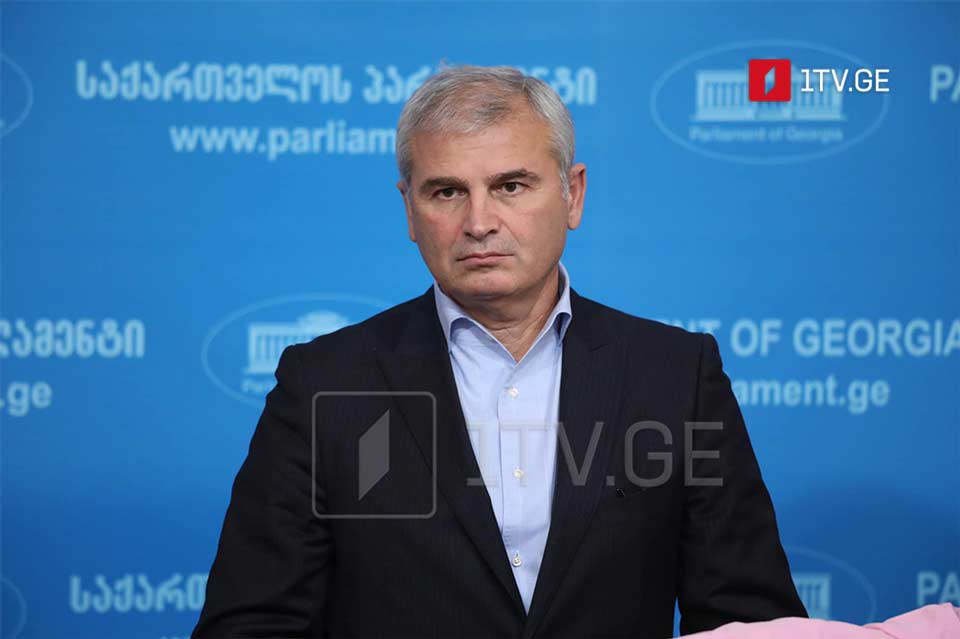
“When it comes to responding to the fact that the other side, your opponent, holds a critical or differing opinion, in that case the correct way to respond to criticism is with your own well-argued position,” the Chairman of the Committee on Regional Policy and Self-Government of the Parliament of Georgia, MP Irakli Kadagishvili, has said.
According to Kadagishvili, this is not a matter of criticism, expression of opinion, discussion or debate; it is a matter of foul language.
“Foul language is a punishable act. It is absolutely unacceptable for society that foul language should become a tool for influencing society, for tearing it apart, suppressing it and demoralising it. Why is swearing prohibited? When one person swears at another, it causes demoralisation, bullying and psychological destruction. Accordingly, foul language, abuse and demoralisation on social media are the same thing, only on a far larger scale as an assault on society. That is why foul language cannot be given free rein.
As for anyone who wishes to draw an equals sign between foul language and free speech, that is intellectual degradation. We will always be supporters of free speech, but we will always stand against foul language,” Irakli Kadagishvili stated.
Kadagishvili was also asked about a statement issued by the US Embassy, as reported by Radio Liberty, according to which “the Embassy expresses concern over the department combating hate speech.”
“As for the United States, we do not intend to enter into excessive polemics on this, since media freedom here is quite well developed and protected. As for the current situation in America, we could in fact draw a good many interesting parallels, but we wish to develop an entirely different, positive agenda with America,” Kadagishvili noted.
Asked where the line lies between freedom of expression and hate speech or insult, Irakli Kadagishvili stated:
“Imagine I didn’t like your question or your report, and I addressed you with rude, foul language and passed judgement on your journalistic work in that way. Would I be exercising free speech and expressing an opinion, or would I be an ordinary abuser?
Foul language cannot be linked to freedom. We are told that whatever runs contrary to human nature should be made the norm of life. Every normal society, whether in America or Europe, fights this as best it can. That is precisely where the line lies. Society must not allow itself to become held captive by foul language, because foul language destroys a person’s psyche – that of the speaker, the listener and the recipient alike. Naturally, this then spreads across society as a whole.
I agree that everyone bears their own share of responsibility: the politician, the media representative, the ordinary person, and so on. I don’t want to say that this responsibility belongs to some and not to others; it belongs to everyone. If we adopt the logic that abusive language is okay simply because politicians do it, that’s just the wrong approach. Foul language is toxic speech. If we follow this toxic path, our society will end up with terrible results.
The fact that I, or anyone else, might lose composure in the public space and say something bad; surely you can see how bad that is? No one likes it, not even the person who says it, but what we are saying is that this should not be encouraged, should not become the norm, and should not be applauded; rather, it should be condemned and excluded from public discourse,” Kadagishvili noted.