


Guram Dumbadze: Public procurement reforms must ensure quality and strict deadlines
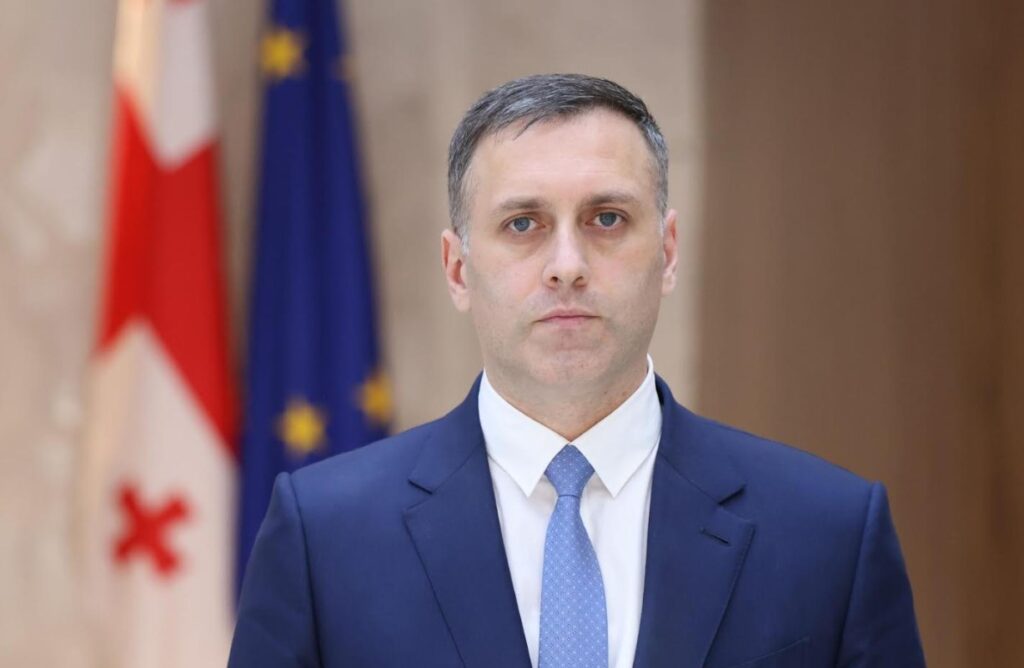
The Government of Georgia has implemented significant changes in the management of state procurement, establishing a centralized procurement authority responsible for purchasing goods and services exceeding 500,000 GEL, stated the Head of the Government Efficiency Department Guram Dumbadze.
According to him, the reform represents a major improvement in procurement governance and oversight mechanisms.
“The new system also introduces a monitoring function, allowing the centralized procurement body to oversee contract execution and verify quality standards during implementation. This ensures stronger accountability throughout the procurement cycle, from tender procedures to project completion.
The government has also approved a new technical regulation for construction procurement. As part of the reform, overhead costs in construction projects have been adjusted, introducing new defined cost components that were not previously standardized. These include expenses related to temporary structures, storage costs, and additional allowances for winter working conditions,” Dumbadze said.
According to him, these updates align the entire construction procurement cycle with international best practices and improve efficiency in managing large-scale projects.
“Two key priorities remain non-negotiable: quality and delivery deadlines. Contractors will be required to meet strict quality standards defined at the tender stage, as well as adhere to contractual timelines,” he added.
The reform also introduces a new mechanism for long-term contracts. For agreements exceeding 12 months, price indexation will apply starting from the 13th month. This means that the state will compensate contractors for cost increases in materials, machinery, and other inputs caused by market fluctuations.
Dumbadze stated that this measure reduces financial risk for contractors and improves the execution of long-term infrastructure projects, including major strategic construction initiatives spanning multiple years.