


Georgian Parliament Speaker: EU condemned violence in Albania, France and Italy but never in Georgia, because Brussels was behind it
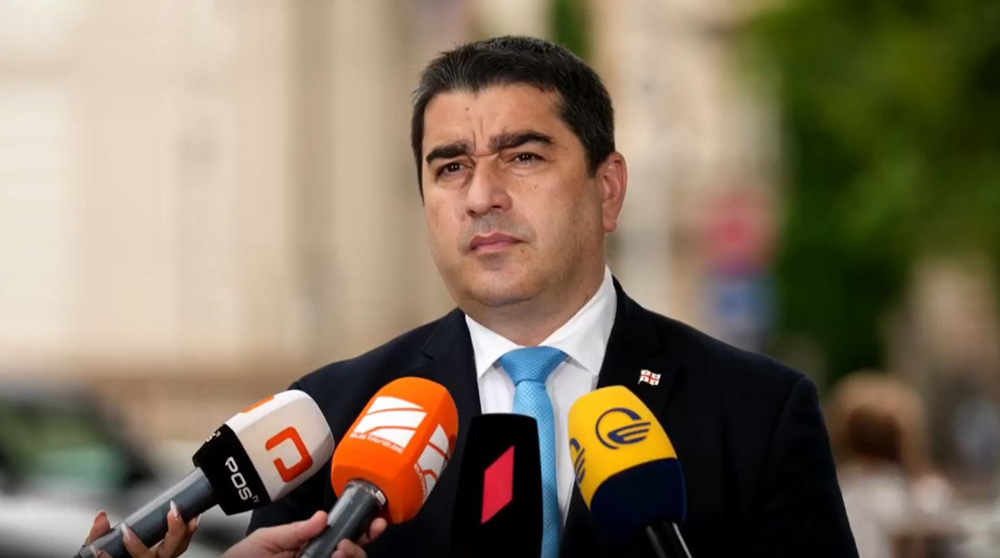
“The EU and the European Commission have issued statements condemning violent demonstrations in Albania and France. That is exactly what we, and I personally, spent so long urging the EU and its ambassador to do. So it turns out they could do it after all,” said Shalva Papuashvili, Speaker of the Georgian Parliament.
Papuashvili said the EU had had many opportunities to condemn violence and violent protests in Georgia, but for years it never did.
“The question now is simple. We should have heard these statements from the EU on 20 June 2019, but we didn’t. We didn’t hear a statement from the EU in 2020, after the elections, when the United National Movement attacked the Central Election Commission. We should have heard them in March 2021, when the United National Movement and Nika Melia barricaded themselves inside their party office, their ‘Alamut fortress’, and we saw EU ambassadors going there and encouraging that violence. We didn’t hear them in June 2022, when EU-funded NGOs tried to topple the government at a rally outside Parliament. We didn’t hear them in March 2023, when Lazare Grigoriadis set a police officer on fire with a Molotov cocktail. We didn’t hear them in May 2024, when the transparency law was being passed in Parliament and we saw violence and Molotov cocktails on Rustaveli Avenue. We didn’t hear them in November 2024, after the elections, when EU representatives, members of parliament and committee chairs from various countries stood here and called on people to stage a Maidan. And we didn’t hear them on 4 October 2025, when a mob, egged on by none other than the European Commission’s spokesperson, tried to seize the Presidential Palace.
The EU had so many opportunities to condemn violence and violent protests, and attacks on Parliament and the Presidential Palace, and not once did we hear it. So the question arises: why? Why did this apply to Albania, France and Italy, but not Georgia? I think the answer is simple: these very groups, Brussels and its tentacles, were behind this violence. They funded the people involved from 20 June 2019 to this day. The people committing violence are funded by EU money. The people trying to burn and storm the presidency and Parliament are funded by EU money; the people throwing Molotov cocktails and stones at the police and setting buildings on fire are funded by the EU,” Papuashvili said.
By encouraging violence in Georgia, he said, Brussels “has got violence in its own home”.
“That is the truth. The EU ambassador should have condemned himself back then, and the European Commission should have condemned itself on 4 October, had it issued any condemnation at all, because it was the European Commission and the EU that were inciting these people to violence. The events of 4 October rest entirely with the EU and its ambassador. The violence and the mob we saw on 4 October 2025, trying to storm the Presidential Palace, were wholly incited by them. That is the truth, and they must now look that truth in the eye and understand why: because they incited and funded this violence in Georgia. Brussels first sends this mob to the barricades with Molotov cocktails, then leaves them in prison, so that it can attack Georgia with the rhetoric that people are behind bars. Precisely because they sowed the wind in Georgia, they have reaped the whirlwind in cities across the EU. This is the logic that comes back to haunt anyone who supports and funds violence. Brussels is a good example: support and fund violence, and you will get violence in your own home,” the Speaker said.