


Former FM testifies before investigative commission on evacuation of Georgian locals from Tskhinvali region
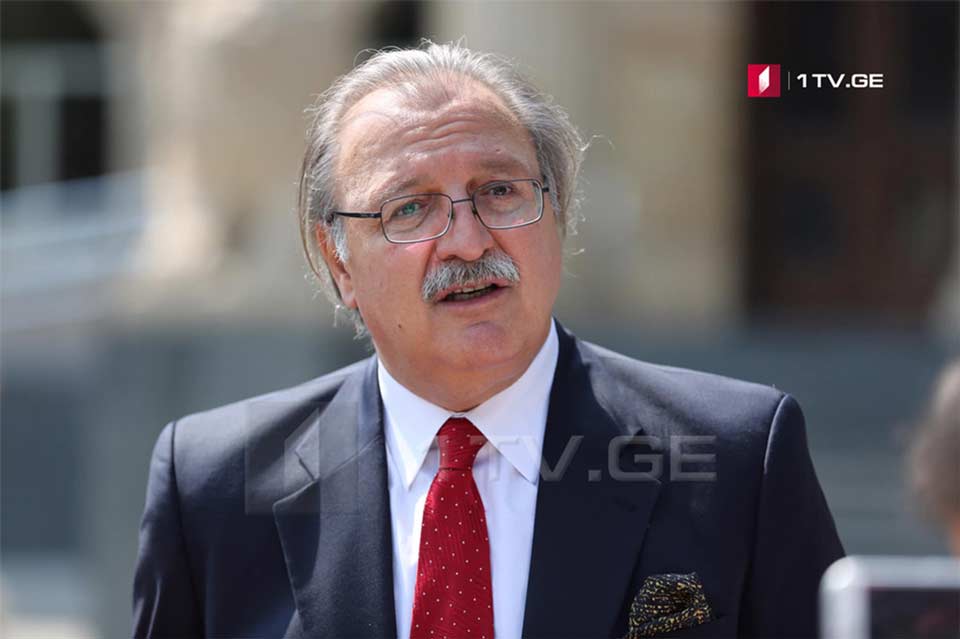
During his testimony at the parliamentary investigative commission investigating the government from 2003 to 2012, former Foreign Minister Grigol Vashadze addressed his role regarding the evacuation of Georgian locals from the Tskhinvali region.
“Alerting the population was not my direct responsibility. I raised this issue several times during Security Council meetings, but I was told that they would handle it,” Vashadze stated.
He emphasized that Georgia had done everything possible to prevent the August 2008 war. While the Russian Federation was “demonstratively” engaged in the evacuation of its own population, it appeared as though Georgia was preparing for war and evacuating its locals.
“This was one perspective on the evacuation efforts,” he noted.
Commission Chair Tea Tsulukiani asked Vashadze a question: “In November 2008, during a meeting of the parliamentary interim commission, you stated that the village of Nuli was shelled on August 4. According to your explanation, August 4 was the earliest date before the outbreak of active military hostilities when high-ranking political officials, as well as, I presume, law enforcement agencies, were aware that one of the villages in the region was under mass attack by Russia. You also mentioned that on August 7, you submitted a statement to the Foreign Ministry indicating that Russia had deployed military equipment in the Roki Tunnel. As deputy foreign minister, you were not directly responsible for knowing the specifics of Russian arms deployments, yet you were aware of the rising tensions and military activities. Who informed you about the mass shelling of Nuli village? How did you, as deputy foreign minister, know where Russian equipment was located on August 7? If you had this knowledge, why did you not notify the population, which ultimately became trapped? Was there any discussion about the fate of the locals, the majority of whom perished or were shot?”
In response, Vashadze said: “Madam Tea, you referenced August 4. Georgian villages had been shelled regularly since July 31 using 82 mm and 122 mm artillery—munitions whose import had been banned by all agreements in the Tskhinvali region. The information came from various sources—our allies, intelligence, the Defence Ministry, and, in this case, the Foreign Ministry, as part of the diplomatic response to the already initiated war. I will provide you with two documents in English with further details when the meeting concludes.
As for the warnings, alerting the population was not my direct function. I repeatedly raised this issue in Security Council meetings, but I was informed they would manage the response in an emergency. However, it is crucial to remember that Georgia did its utmost to prevent the war. While the Russian Federation was overtly engaged in evacuating their population, it created the impression that Georgia was preparing for conflict and evacuating its locals, which was just one perspective at the time,” he concluded.