


Finance Minister: We, together with international partners, are striving to build modern transport network to serve region for decades to come
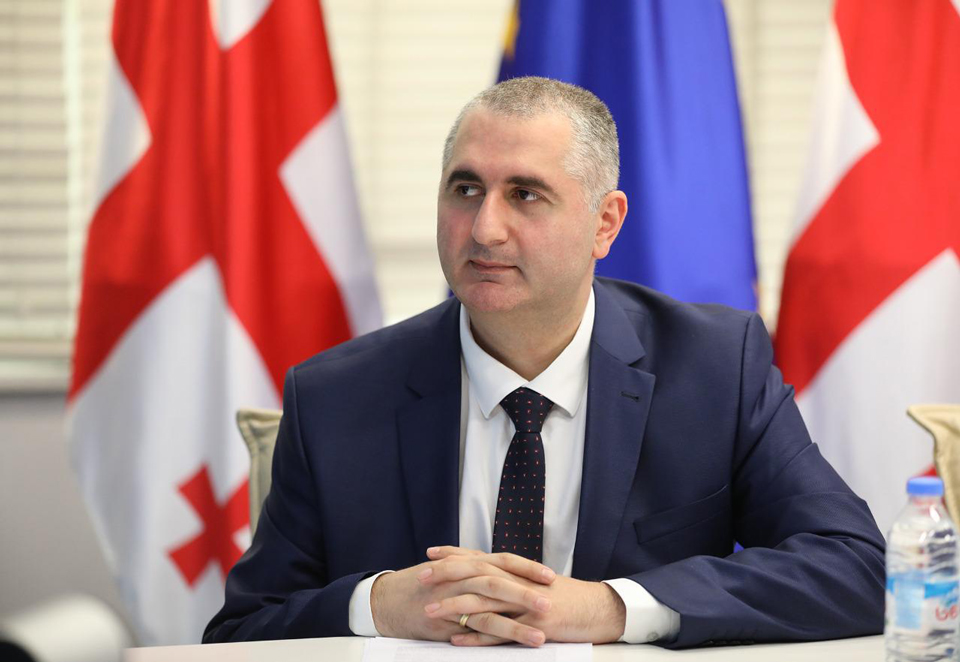
“Together with our international partners, we aim to develop a modern transport network that will serve the region for decades to come,” said Georgian Finance Minister Lasha Khutsishvili during an assessment of the World Bank’s allocation of USD 372 million in financial resources to Georgia for the Trans-Caspian Transport Corridor project.
According to the Ministry of Finance, the minister emphasised that the project is of considerable importance for strengthening the efficiency of the Middle Corridor and deepening regional connectivity.
“These investments matter not only for the country’s economic development and for creating new opportunities for our citizens, but also for supporting growing international trade flows and building more diversified, resilient supply chains. Upgrading Georgia’s rail and road connections will improve the operational efficiency of the Middle Corridor and enhance the durability of regional connectivity,” the Finance Minister said.
Khutsishvili mentioned that the total cost of the project is approximately USD 751 million, with USD 372 million funded by the World Bank Group. Work is simultaneously underway to secure a further USD 175 million from the Asian Development Bank (ADB) and USD 182 million from the Asian Infrastructure Investment Bank (AIIB).
The project encompasses the procurement of electric railway locomotives for Georgian Railway to increase rail capacity, the construction of electric substations, and the institutional strengthening of Georgian Railway. On the roadside, it provides for the construction of highway sections from Badiauri to Chalaubani and from Chalaubani to Bakurtsikhe, as well as the Gurjaani–Telavi road section. The scope of work includes transport interchanges, overpasses, bridges, road safety measures, and the institutional strengthening of the road sector.