


CEC Chairman appeals to district and precinct election commissions
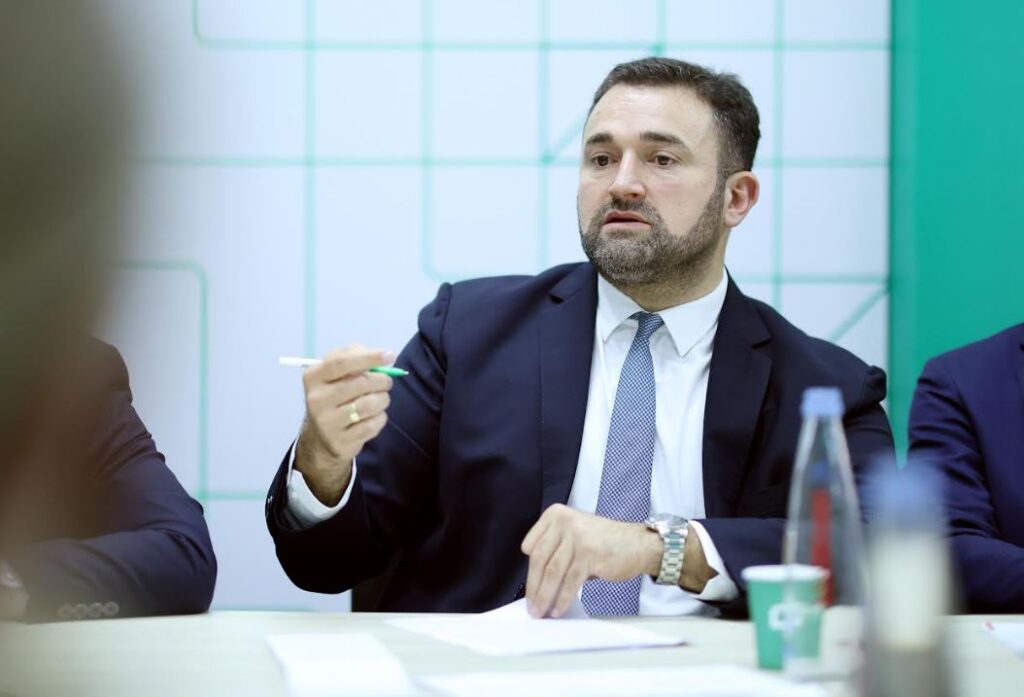
According to a statement by Giorgi Kalandarishvili, Chairman of the Central Election Commission of Georgia (CEC), the electoral administration continues active work to conduct the October 4 municipal elections at a high professional level, observing international standards.
According to Kalandarishvili, a total of 3,051 polling stations have been opened nationwide. Of these, 2,284 will facilitate electronic voting, while the remaining 767 will conduct voting through traditional methods.
Furthermore, more than 34,000 members of district and precinct election commissions will administer the elections nationwide, of whom more than 25,800 persons have been selected by the election administration, whilst the remainder have been appointed by respective authorised parties.
“I want to remind you that all persons elected by district election commissions to precinct election commissions hold appropriate certificates, and the vast majority also have experience working in the electoral field and have participated in CEC educational projects. I want to address all members of district and precinct election commissions and call upon them to observe both the Election Code and the principles set out in the Code of Ethics when carrying out their activities, which we, the CEC, district and precinct election commissions, have signed.
Precisely by signing the Code of Ethics, we agreed that every election administrator will observe the law, political neutrality, and conduct their activities conscientiously, independently, impartially, objectively and transparently. Observing these principles and high ethical standards will promote and ensure further increase and strengthening of public trust in the election administration and, generally, the election process.
Proceeding from all the above, I want to address district and precinct election commissions with the recommendation that they refrain from actions that might be considered supportive or opposing actions towards any electoral subject, including using personal pages on social networks for political appeals and agitation purposes, participating in party/candidate pre-election meetings, and maximally separating their professional activities from political processes.
Elections are a common cause, and, first and foremost, we must promote observance of these principles and the administration of elections to international standards. This is precisely why I call upon you once more to observe them, so that we may provide the highest standard example to involved parties when carrying out activities,” notes Giorgi Kalandarishvili.