


FM: New EU enlargement rules raise questions about EU’s readiness for new members
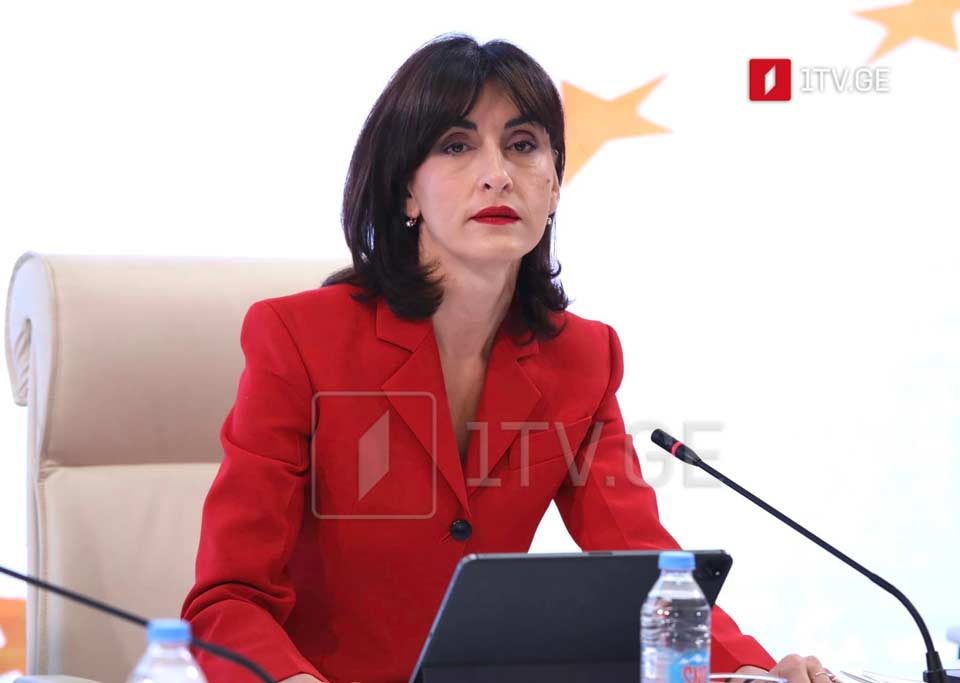
Georgia’s Vice Prime Minister and Minister of Foreign Affairs, Maka Botchorishvili, spoke about the European Union’s enlargement policy during the Imedi LIVE program, saying that increasing attention is being paid to whether the EU itself is prepared to accept new member states, particularly as enlargement has become an important element of European security and geopolitical developments.
“Even during the Munich Conference, discussions focused on how ready the European Union was to admit new member states. Special emphasis was placed on Ukraine, because at that time it was suggested that Ukraine’s accession to the EU could become part of peace negotiations. This even caused concern among several EU member states over whether third countries should dictate to the European Union when and under what conditions it should expand. Since then, discussions have intensified regarding the rules that should govern enlargement. In a way, the European Union is facing the reality that delaying and prolonging the enlargement process may become impossible at some point,” Botchorishvili said.
The minister also referred to the example of Hungary, which has often been cited in debates over the veto power in EU decision-making. According to Botchorishvili, the veto right is one of the key guarantees of equality and equal rights among EU member states.
“In recent times, Hungary’s case has frequently been used to demonstrate how negatively a single country’s veto power could affect EU decisions. However, this very mechanism is the guarantee of equality and equal rights among member states. It is impossible for me to say definitively what the future conditions will be, because nothing has been formally written, signed, or agreed upon. Nevertheless, there are discussions that new members could be required, under accession agreements, to accept conditions limiting certain rights for a number of years compared to those enjoyed by existing member states,” she stated.
According to Botchorishvili, such an approach raises important questions about the future direction of the European Union.
“The main question is whether the European Union is truly ready for enlargement. If the EU is already looking for ways to prevent new member states from becoming fully-fledged members, this means that it is not prepared for further enlargement and is simply seeking ways to create the illusion of enlargement,” the minister said.
Botchorishvili argued that potential changes related to the enlargement process extend beyond institutional matters and could affect the EU’s fundamental principles.
“What does this mean? That Brussels’ rules should become mandatory for all member states without considering their voices or national interests, regardless of whether such rules align with those interests? This fundamentally changes the very essence of the European Union. The EU is a union of sovereign states. Of course, member states delegate certain aspects of sovereignty for the benefit of the Union, but this has never applied to foreign policy,” she noted.
The foreign minister added that this raises further questions about how member states’ national interests will be protected and to what extent they will retain the ability to make independent foreign policy decisions under any new model of EU enlargement.
According to Botchorishvili, it is particularly difficult for Georgia to assess the EU’s future vision for enlargement given that the country was granted candidate status, yet only a few months later the European Union suspended dialogue with the candidate country.
“It is very difficult today to speak about EU enlargement and have a full understanding of the Union’s vision, what it thinks, and how it sees the future,” Maka Botchorishvili stated.