


UNM’s Ugulava asserts opposition may have to negotiate with GD
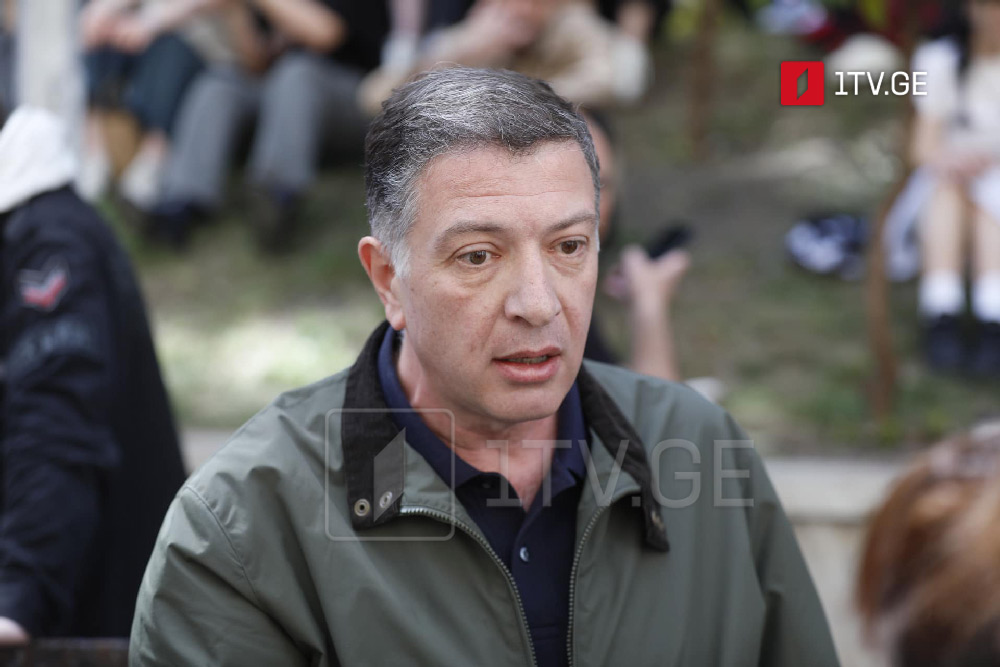
“We must recognize that we may need to engage in direct talks with the Georgian Dream, which could heighten tensions. However, such discussions will reveal whether we are genuinely sovereign and civil enough to reach an agreement or extend a handshake,” stated Gigi Ugulava, a United National Movement (UNM) party member.
According to Ugulava, the postponement of the ban on political parties has made it clear that the ruling party views the upcoming local elections as a mere façade.
“In the current climate, the local elections represent a trap. Some individuals intend to participate, while others voice their abstentions, and still others outright reject participation. What we need most is unity. I reiterate my belief that participating in elections under these conditions will render anyone involved a mere fig leaf for this dictatorial regime. Elections in Georgia are effectively nullified, and the situation will be more dire tomorrow than it is today or was in 2024.
We must respond to this challenge with a clear stance—a so-called roadmap that outlines our reasons for participating and the conditions under which we might do so. These are essential ideas we can present in opposition to the regime.
It is evident that the Georgian Dream aims to draw us into these elections. Consequently, we must test their willingness to concede certain conditions, including: 1. The release of political prisoners (including Saakashvili); 2. The repeal of all draconian laws enacted in the past year, particularly those concerning elections and the Central Election Commission; 3. A plebiscite held concurrently with the elections on the question, ‘Do you agree to hold new parliamentary elections on December 27, 2025?’ (The date may be subject to change); 4. If the plebiscite yields a positive response, the current Georgian Dream government will resign, and under the aegis of Zourabichvili-Kavelashvili and the 4+1 coalition of parties that surpassed the election threshold, a provisional, technical government will be established to conduct the elections; 5. The Georgian Dream’s de facto majority must commit to approving the transitional government,” Ugulava outlined.
He emphasized that the next steps, should the plebiscite yield a negative response, need to be discussed, with involvement from all interested stakeholders—political parties, Salome Zourabichvili, social groups, and movements.
“Merely stating, ‘I won’t participate’ does not serve as a deterrent. Similarly, claiming ‘I am participating, and I am preparing to participate’ amounts to leaving a trail of betrayal and compromise. We must acknowledge that time and circumstances have brought us to a point where we need to delineate a comprehensive roadmap,” he concluded.