


State Department: Georgian government meets standard of trafficking elimination; Georgia remained on Tier 1
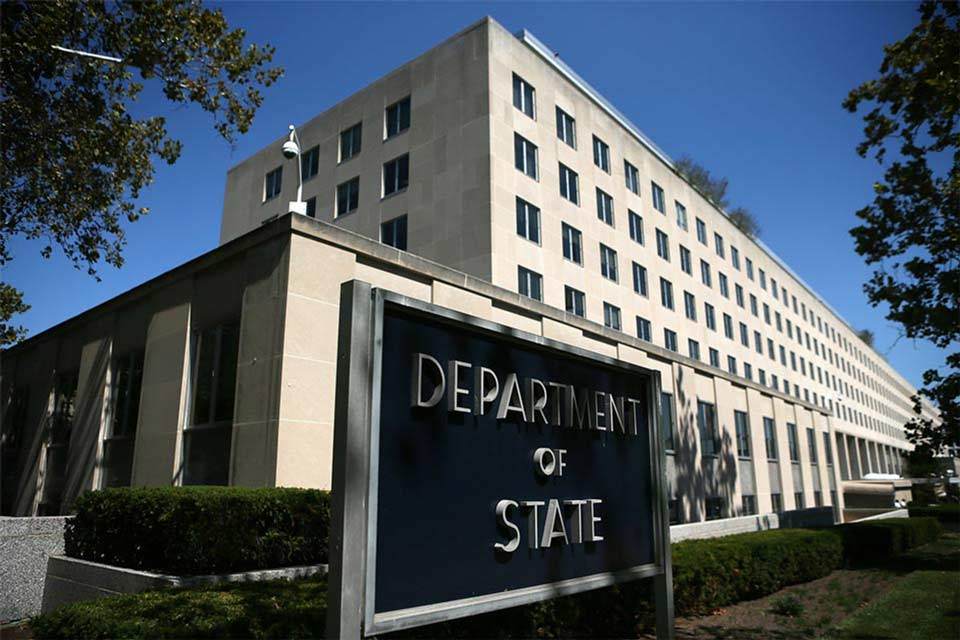
The U.S. Department of State has published its 2025 Trafficking in Persons Report, which also covered Georgia.
According to the report, the government of Georgia fully meets the minimum standards for the elimination of trafficking. The government continued to demonstrate serious and sustained efforts during the reporting period; therefore, Georgia remained on Tier 1.
“These efforts included convicting more traffickers, identifying more victims, and increasing funding for anti-trafficking shelters. For the first time in several years, courts awarded victims compensation in civil suits. The General Prosecutor’s Office (GPO) issued a directive mandating victim-witness coordinators in trafficking cases. Although the government meets the minimum standards, it investigated fewer trafficking cases, and overall efforts to identify and prosecute sex trafficking cases were inadequate. Law enforcement required victims to remain in country through the end of the trial, potentially hindering cooperation from foreign victims wanting to repatriate, and judges have never awarded restitution in criminal cases. The government’s efforts to identify and refer to services victims who did not wish to participate in law enforcement proceedings remained minimal. The government’s lack of systematic cooperation with civil society impeded anti-trafficking efforts,” the 2025 Trafficking in Persons Report reads.
The report also includes the prioritised recommendations.
“Vigorously investigate and prosecute trafficking crimes, especially sex trafficking, and seek adequate penalties for convicted traffickers, which should involve significant prison terms; Proactively identify trafficking victims by screening for trafficking indicators among vulnerable populations, including individuals in commercial sex, child labourers and children who are homeless, and Georgian and foreign workers in vulnerable labour sectors; Implement procedures to improve the Permanent Group’s ability to consistently and accurately identify victims; Improve law enforcement’s capacity to investigate complex cases, including advanced training on money laundering, organised crime, and digital evidence; Increase resources and training to plan intelligence and evidence-led law enforcement operations with victim-centered approaches; Encourage victims’ participation in investigations and prosecutions through victim-centred court procedures, including remote testimony or funding for travel and other expenses for victims to attend court hearings; Increase the labour inspectorate’s resources and capacity to identify trafficking victims; Improve measures to order restitution for victims, including training prosecutors and judges on asset seizure and legal assistance; Increase cooperation with civil society to assist the government’s efforts to prevent trafficking and protect victims; Increase awareness-raising campaigns about the existence of trafficking, legal recourse, and available protection services for vulnerable groups; Develop guidelines and procedures for victim-witness coordinators and other victim assistance providers to strengthen coordination; Increase transparency of the inter-ministerial trafficking coordination council and regularly publish information on the government’s anti-trafficking efforts,” the recommendations read.
The report also highlights that traffickers exploit women and girls from Georgia in sex trafficking inside the country, particularly in the Adjara region, and abroad in Cyprus, Egypt, Türkiye, and the United Arab Emirates (UAE). Traffickers fraudulently recruit victims by promising well-paying jobs abroad.
“Traffickers fraudulently recruit victims by promising well-paying jobs abroad in tea processing plants, hospitals, salons, restaurants, and hotels. Georgia is also a transit country for women from Kyrgyzstan, Tajikistan, and Uzbekistan who are exploited in Türkiye.
Traffickers increasingly use online means to recruit and exploit sex trafficking victims, including communicating through chats and establishing websites and advertisements for escort services.
Women from China in commercial sex and Southeast Asian women working in massage parlours are vulnerable to sex trafficking. Ukrainian refugees fleeing the Russia-Ukraine war and Russians fleeing conscription are vulnerable to trafficking,” the report highlighted.
The report also mentioned that the Russia-occupied regions of Abkhazia and South Ossetia remained outside Georgian government control, and authorities in these regions were supported by Russian forces.
“Russia and Abkhaz representatives limited the ability of international organisations to operate in Abkhazia, although international organisations had a greater ability to operate there than in South Ossetia. As a result, no information was available about the presence of trafficking or the Abkhaz and South Ossetian representatives’ efforts to combat trafficking. However, NGOs consider IDPs in Georgian-controlled territory from Abkhazia and South Ossetia particularly vulnerable to trafficking. Observers reported traffickers may subject migrants to forced labour in Abkhazia. North Korean nationals working in Abkhazia may be operating under exploitative working conditions and display multiple indicators of forced labour,” the report concluded.