


Speaker: Those 72 people were first pushed to break law and then abandoned, they are ‘prisoners of dishonesty’
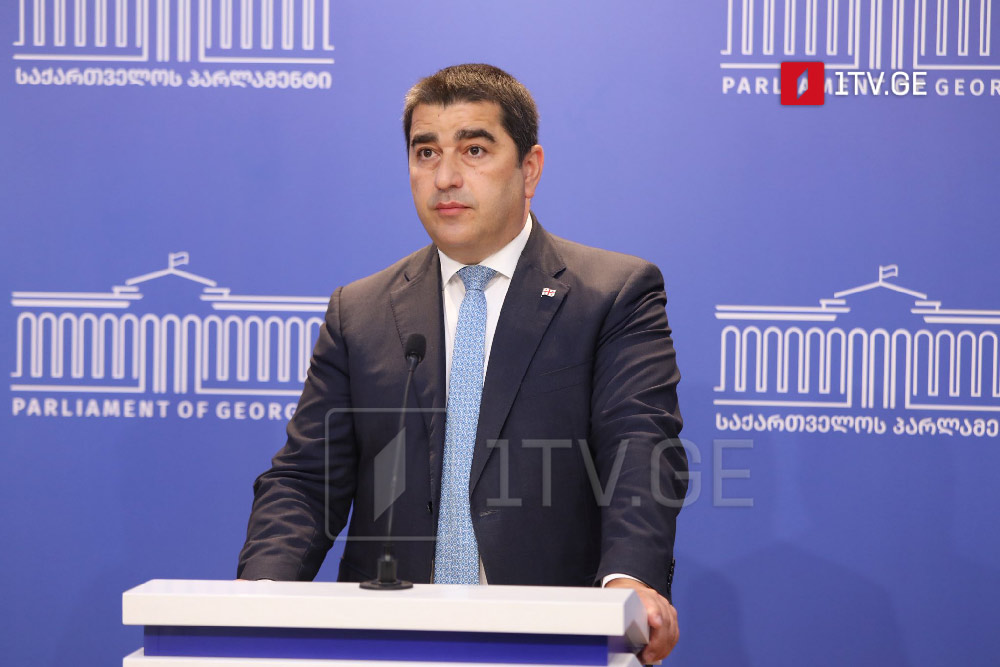
Around 100 people, apart from the organizers of the violence, have faced criminal prosecution over crimes committed in connection with the violent protests of 2024-2025, Georgian Parliament Speaker Shalva Papuashvili said.
According to Papuashvili, 45 of them are now free — some reached plea agreements after admitting their crimes, while others were pardoned by the President. Another 72 people remain in custody, he said.
“This situation raises one main question: if the authorities’ goal is to lock these people up in prison, as those speaking on their behalf claim, then why are 45 people free today? The answer is simple: these people were never political enemies of the state,” Papuashvili wrote on social media.
According to the Parliament Speaker, those prosecuted were “blind instruments” in the hands of people who encouraged them to break the law in the name of a revolution, sent them to the barricades and then remained behind the barricades themselves when the revolution failed and the time for accountability came.
“Today, the main question is no longer why these 72 people are in prison. The main question is: who needs them to remain there? The authorities? Then why were 45 people released through plea agreements and presidential pardons?” Papuashvili wrote.
He argued that there is a legal path to freedom for those who recognize their responsibility and admit the crimes they committed.
“If their continued imprisonment is actually needed by those who drove them toward the barricades and then turned them into political symbols, why do they need these people to remain in prison?
The government’s approach is straightforward: individuals should understand what they participated in, take responsibility for their actions, acknowledge that they violated the law and confirm that they will not repeat such actions.
This is not a demand to renounce political views. It is about accepting legal responsibility for specific actions. There is neither humiliation nor triumphalism in this, nor an attempt to demonstrate moral superiority over anyone. It is the simultaneous standard of the rule of law and a humane state,” he wrote.
At the same time, Papuashvili criticized what he described as “moral terror” against those who have been imprisoned, saying that people who are themselves free are demanding that the detainees “serve their full sentences.” He argued that those calling for the prisoners’ continued detention need them as symbols and victims of the failed revolution.
“Their slogan — ‘Freedom for the prisoners!’ — is increasingly taking on the opposite meaning: ‘Do not take responsibility! Do not dare to leave prison! Stay there until the end! We need your imprisonment, not your freedom!’” Papuashvili wrote.
“This is precisely why the situation of these 72 people is particularly difficult today. They are serving sentences not only for their own crimes. They also remain captives of the dishonesty of those who first encouraged them to break the law, then abandoned them, and now portray their release as a moral crime,” Papuashvili said.
“For this reason, there is one name that describes them most accurately: ‘prisoners of dishonesty,’” he added.