


Speaker: Despite geopolitical challenges, Georgia’s economy shows unprecedented resilience and growth
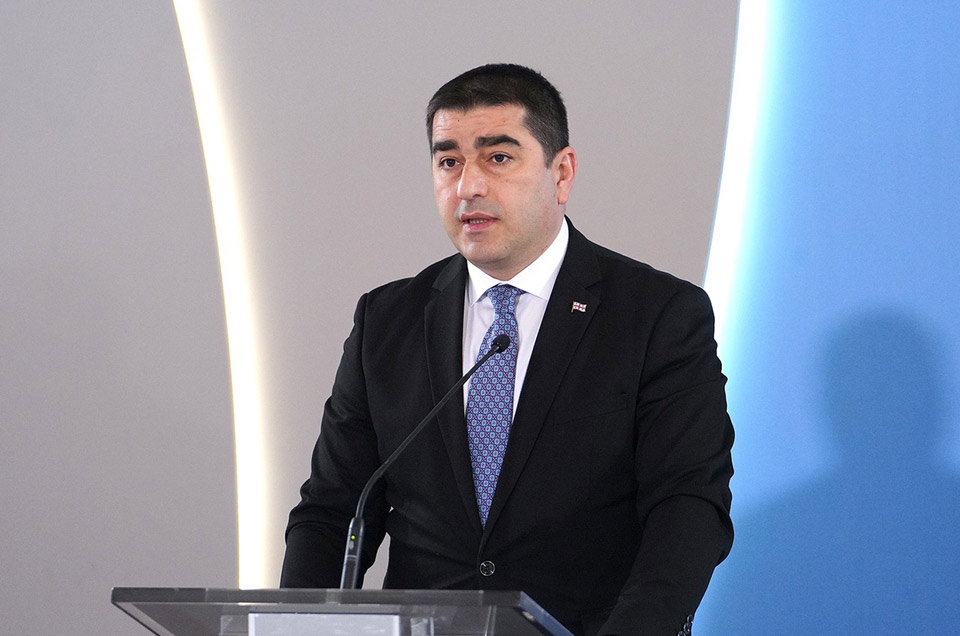
“The Tbilisi Finance Summit presents an excellent opportunity to discuss the financial technologies shaping our future. Amidst ongoing geopolitical challenges, Georgia’s economy has proven remarkably resilient and sustainable, achieving unprecedented growth rates, even compared to many developed economies. For example, over the past four years, the average economic growth has reached nearly double digits (9.7 per cent),” stated Shalva Papuashvili, Speaker of the Parliament of Georgia, during his speech at the official opening of the Tbilisi Finance Summit.
As the Speaker highlighted, Georgia’s strategic position along the Middle Corridor, coupled with the development of highly productive sectors such as information technology and transport services, has played a crucial role in the country’s economic advancement.
“Today, Georgia’s strategic location and the unique potential of the Middle Corridor are gaining increasing importance. In recent years, cargo turnover and economic activity within the Middle Corridor have experienced unprecedented growth. This trend clearly demonstrates that our region has become a vital trade artery, opening new opportunities for the economies of Europe and Asia.
However, adoption and enhancement of modern financial services are crucial for growth in trade and infrastructure. Innovative tax systems, financial technologies, and a stable financial sector are the foundations that make the Middle Corridor not only the most efficient transport and trade route but also a burgeoning financial hub.
Georgia is making significant strides in this direction. Creating an environment conducive to technological innovation and aligning our financial sector’s regulatory framework with international best practices remain priorities for our country,” explained Shalva Papuashvili.
The Parliament Speaker further emphasised that Georgia has established a transparent, flexible, and forward-looking regulatory framework centred on modern financial services, which reduces barriers for new entrants while safeguarding financial stability.
“Legislative initiatives, such as licensing regimes for digital banks, open banking, and regulations for virtual asset service providers, have facilitated the introduction of innovative products to the market and diversified financial services. These measures, along with the regulatory framework, support the stable development of the traditional banking sector in Georgia while providing opportunities for new stakeholders to establish themselves within the financial landscape.
I hope that today’s event will foster regional cooperation initiatives focused on the advancement of financial technologies and services, which will, in turn, attract investment and stimulate technological transformation across the region,” concluded Shalva Papuashvili.