


Regional Development Minister: Georgia to overhaul municipal planning with long-term strategies, replacing annual budgetary cycles
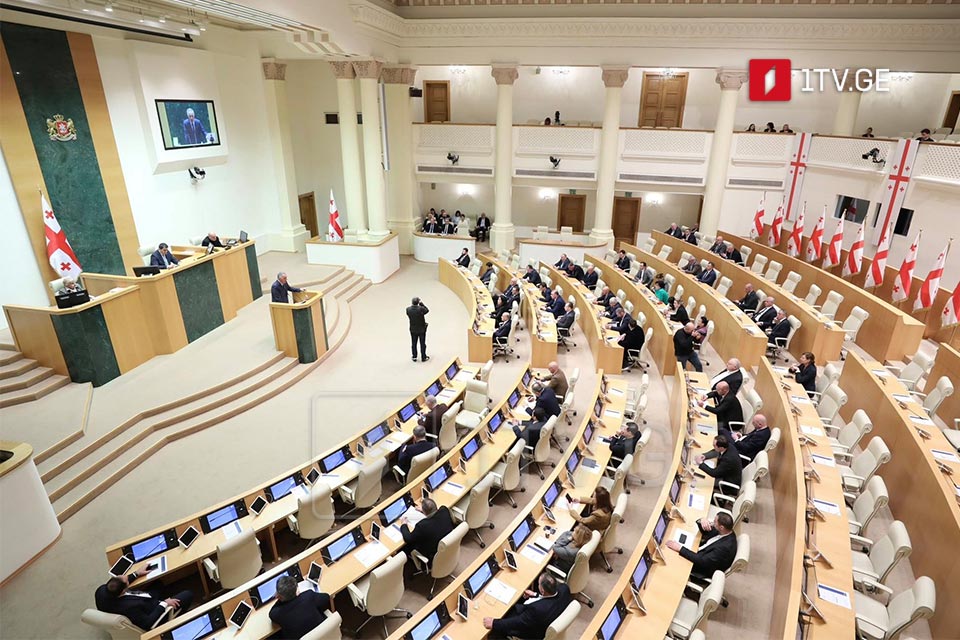
“Another project we are working on is the introduction of long-term development plans for municipalities,” said Minister of Regional Development Kakha Guledani, addressing parliament under the interpellation procedure.
He explained that the short-term plans currently guiding Georgia’s municipalities are difficult for citizens to follow and generate insufficient confidence among investors and donors.
“At present, municipalities operate based on one-year, short-term plans tied to the annual budget cycle, responding to immediate, day-to-day needs. They are built on the principle of spending what we have. Confidence of investors and donors is limited, and the plans are comparatively difficult for citizens to follow, because what citizens want to see are longer-term visions. We believe municipalities should transition to long-term planning. The advantage of long-term plans is that the outcomes a municipality is striving to achieve are set out far more clearly; projects follow a logical chain; there is less improvisation; risks such as projects being abandoned or left half-finished are reduced; priorities are clearly foreseeable; and stability is greater. It reduces the tendency for each new mayor to start from scratch, institutional memory is strengthened, and reliability for donors and partner organisations is enhanced.
For citizens, it is far more reassuring because it answers the question: how is our municipality developing, and what will it look like in the years ahead? Ultimately, it increases accountability for the central government and the municipalities alike, as well as for citizens.
We have been working with municipalities along these lines. The Prime Minister initiated this process. We met with the mayors of municipalities, who said they’re ready to cooperate and to prepare the relevant plans. Currently, municipalities have developed long-term plans and action strategies that address their socio-economic conditions and identify key development needs. Naturally, local self-government bodies cannot address all of these needs from their own resources alone; it is therefore essential that the relevant line ministries and sectoral agencies examine these needs and synchronise their plans with the long-term strategies of the municipalities,” declared Kakha Guledani.