


President Kavelashvili: It is unfortunate that BBC spreads unverified information and harms our country
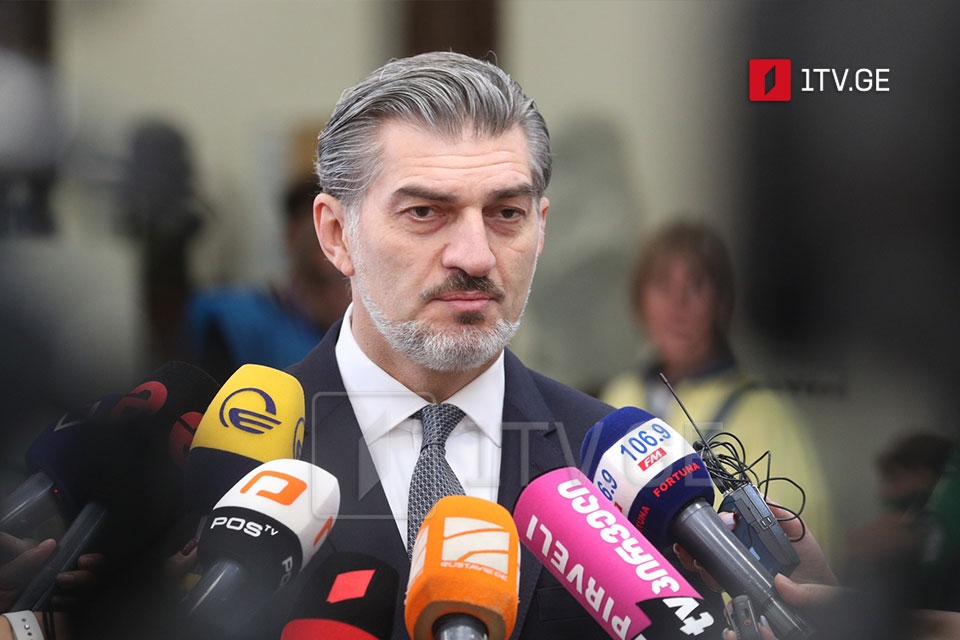
“It is very unfortunate that such a well-known media outlet as the BBC allows itself to broadcast completely unverified information and harm our country,” Georgian President Mikheil Kavelashvili told journalists.
According to him, the BBC’s recent reporting is part of a familiar pattern.
“This is not new to me. Not long ago, even the President of the United States had a complaint against the BBC regarding disinformation about Trump, which ultimately led to leadership changes at the BBC. I will draw a parallel — we saw a similar situation regarding Mikheil Saakashvili. The BBC, CNN, and other outlets, through their lobbying companies, hired medical experts to create a media boom, as if the Georgian government was poisoning Saakashvili.
The radical wing kept saying: ‘If you don’t help Saakashvili today, he will die tomorrow.’ Did anyone apologise afterwards? We remember the protest of 27 ambassadors who publicly pressured the Ministry of Justice to release him, claiming he was in grave condition and being tortured. Later, the Strasbourg court rejected these accusations and confirmed that nothing illegal was happening. Today we see the same scenario,” the President stated.
Journalists also asked about paediatrician Konstantine Chakhunashvili, one of the BBC’s sources.
“The BBC made its film through Konstantine Chakhunashvili. Today, he says he never discussed that substance at all. Let’s wait for the investigation. We are a responsible government. I call on law enforcement agencies to thoroughly investigate. It is worth asking who is behind these coordinated actions. How is it that media outlets, NGOs, and political parties speak in one voice, without waiting for facts, immediately attacking the state?” Kavelashvili stated.
For context: The BBC has recently published an investigative report titled: WW1 toxic compound sprayed on Georgian protesters, BBC evidence suggests. The BBC alleges the use of chemical weapons from the First World War, citing paediatrician Konstantine Chakhunashvili, former head of the Special Task Force Lasha Shergelashvili, and expert Prof Christopher Holstege as sources. Respondents also include Eka Gigauri and Giorgi Bachiashvili. In the report, Lasha Shergelashvili states that, “in his opinion, this is the same substance he was asked to test for in a water cannon in 2009.” Furthermore, the BBC states that “the Georgian authorities said our investigation findings were ‘absurd’ and the police had acted legally in response to the ‘illegal actions of brutal criminals’”.
Meanwhile, Georgian Dream announced legal action against the BBC in international courts over ‘false’ allegations.
Furthermore, the State Security Service of Georgia (SSSG) has initiated an investigation into the BBC’s public reporting on crime.