


Parliament Speaker exposes record German funding to Georgian NGOs hidden from public and Bundestag
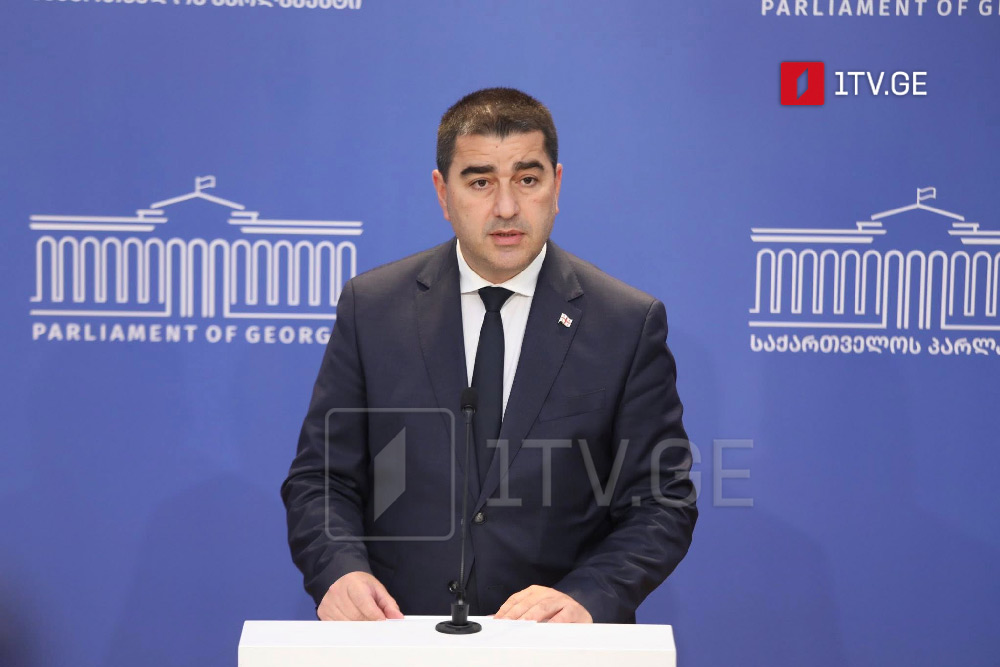
“The German government allocated a record amount of money to NGOs in Georgia last year, yet it conceals this information from the Georgian people, the government, the German parliament, and the German public. The standards of transparency displayed in this letter are shockingly low,” stated Shalva Papuashvili, Chairman of the Georgian Parliament.
Papuashvili further revealed that some of these NGOs in Georgia, which sought to organise a revolution and overthrow the government, were financed by Germany.
“The response from the German government to questions from the German parliament is truly surprising; had something similar happened here, if the opposition had requested information from the government and it had responded that it possessed the details but was deliberately withholding them, the outcry from opposition parties, foreign-funded NGOs, and foreign ambassadors would have been enormous. They would have condemned it as a blatant violation of transparency and accountability. Yet, what we saw was the German government concealing information from one of its own parliamentary representatives, an MP from the party currently holding the greatest support in Germany. Therefore, when they speak of transparency and accountability, they only mean it for others; they do not appear to hold themselves to the same standards. It is absolutely unheard of and outrageous for a government to withhold information from its own oversight body on this basis. The explanation provided is that NGOs in Georgia are subject to persecution and are under surveillance. This is complete nonsense and merely an excuse to conceal the real information.
This information has partially emerged through budget disclosures. A record amount of money was allocated from the German budget to Georgian NGOs in the 2024 election year, and we all witnessed what these organisations did during last year’s elections. Their actions included direct involvement in the campaign, election fraud, and an attempt to incite a revolution and overthrow the government after the elections, even storming the parliament,” said Papuashvili.
Papuashvili criticised the German government’s claim that their relationship with these NGOs is based on trust, which allegedly explains their reluctance to disclose details.
“This is precisely what the German government allocated a record amount of money to such NGOs last year. There were also claims that they were not disclosing this to their own oversight bodies, citing a ‘trust-based relationship,’ which is, in fact, manipulation. In German international aid policy, the term ‘relationship based on trust’ does exist, but it primarily refers to the trust between the German government and the Georgian government.
The German government’s policy has always been that these activities are conducted under an intergovernmental agreement, directly negotiated with the partner. Now, we learn that the German government is withholding this information even from its own oversight MPs, not just from the Georgian people. This underscores the crucial importance of transparency laws, as this situation exemplifies dishonest donations, one of the clearest examples of which is precisely this.
When the German government in Georgia spent a record amount of money on NGOs last year and is now hiding this from the Georgian people, the government, the German parliament, and the German public, the low standards and lack of transparency displayed in this letter are truly astonishing,” said Papuashvili.
Yesterday, information circulated that the German government has confirmed its funding of NGOs in Georgia, although it has not disclosed the names of these organisations. The Alternative for Germany (AfD) party has inquired with the German government regarding the funding of these NGOs and the involvement of the German Embassy, led by Ambassador Peter Fischer, in the process.