


Mayor Kaladze orders Tbilisi City Hall hotline overhaul
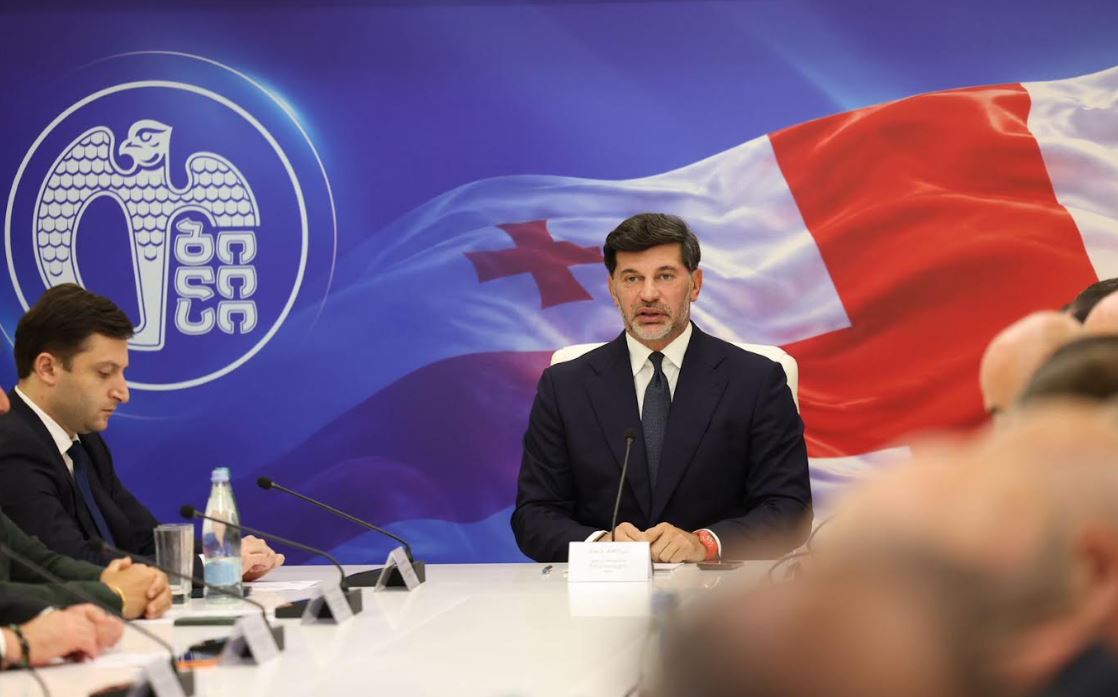
“Tbilisi City Hall’s hotline is to be reformed to make it more flexible and efficient, so that residents get a faster and more effective service,” Mayor Kakha Kaladze said.
Speaking at a Tbilisi municipal government meeting, Kaladze noted that while hotline operators answer and respond to every call, certain issues still need to be addressed.
“Alongside other channels of communication, City Hall runs a hotline as part of municipal services, and residents use it heavily every day. Our operators respond to every call, but we plan to improve the hotline. I want to instruct my deputy, Kakha Abuladze, to start work on this. A few days ago, I met with the heads of city services, district governors, the leadership of the Municipal Services Development Agency, and hotline representatives. Some problems need fixing. So we must carry out the reform as quickly as possible, to make the hotline even more flexible and allow us to resolve problems even faster,” Kaladze said.
He said City Hall’s hotline has already received almost 367,000 calls this year.
“In 2025, the hotline received 465,423 calls. These included more than 71,000 calls on health and social issues, nearly 36,000 for the municipal inspectorate, approximately 63,000 regarding urban development and transport, and over 48,000 concerning infrastructure, such as roads, construction, and green spaces. Through this hotline, City Hall is actively identifying and addressing issues across the city. It is also a good tool for connecting directly with residents and providing appropriate, timely help, and as an ongoing process it needs periodic optimisation,” the Mayor said.
He added that many calls concern matters outside the hotline’s remit.
“It is worth noting that there is often a high volume of calls about issues that require a written application directly to City Hall or the relevant district administration. The hotline also receives calls regarding matters outside its remit, such as property privatisation, private disputes, ad hoc land registration, culture, sport, youth affairs, and the maintenance of private property. When residents call about these issues, operators of course answer every call, and the hotline becomes overloaded. So residents also need to know which issues they should call the hotline about,” Kaladze said.