Latvian MEP urges Georgian gov't to 'immediately initiate inclusive process to create electoral environment for new elections'
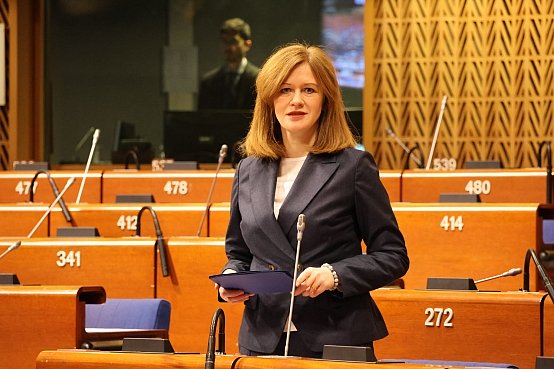
Latvian MEP Zanda Kalniņa-Lukaševica called on the Georgian authorities “to immediately initiate an inclusive process involving all stakeholders and social actors and civil society to urgently address these deficiencies and shortcomings and to create an electoral environment that is conductive to generally democratic new elections to be announced in the coming months.”
MEP Kalniņa believes “In a democratic society that is faced with such a deep social crisis, the adequate response is to refer the matter back to its citizens, so democratic new elections.”
“During the June session, when I spoke on behalf of the Committee at the end of the urgent debate on the developments in Georgia, I mentioned how sad it was to be discussing democratic backsliding in a country that only a few years before was seen as a moving rapidly towards post monitoring.
Little that I know that only six months later, I will be presenting a report on the challenge of the credentials of the Georgian delegation due to the country’s failure to honor its membership obligations to the Council of Europe with regards to democracy, rule of law, and human rights.
The development in Georgia since the October 26th elections as well as the manner in which those elections were conducted clearly show that the Assembly’s call to reverse the democratic backsliding were not headed but that in a country a democratic backsliding continued to accelerate with unprecedented speed. It needs a clear response but also clear recommendations on how to reverse this democratic backsliding.
The suspension of the European Union accession process by the ruling majority, contrary to its election promises and subsequent brutal use of force against demonstrators in violation of the right to freedom of assembly and the crackdown on their position and civil society have resulted in deep social crisis and a complete lack of trust and legitimacy of the political institutions in the country.
The social contract between the citizens and those that govern was broken. This is clear from the daily protests in Tbilisi and many other cities in Georgia which are largely society-driven and spontaneous.
No solutions for this crisis can therefore be found without involving those social actors and civil society. In a democratic society that is faced with such a deep social crisis when the social contract between those that govern and society is broken, the adequate response is to refer the matter back to its citizens, so democratic new elections.
However, it is clear that elections organized in the same conditions as the last election without addressing the serious shortcomings and deficiencies noted in the Assembly’s election observation report will not lead to democratic elections or resolve the social crisis,” Zanda Kalniņa-Lukaševica stated.