


Justice Minister: We are implementing reforms systematically; Georgia is regional leader in protecting convicts’ rights and dignity
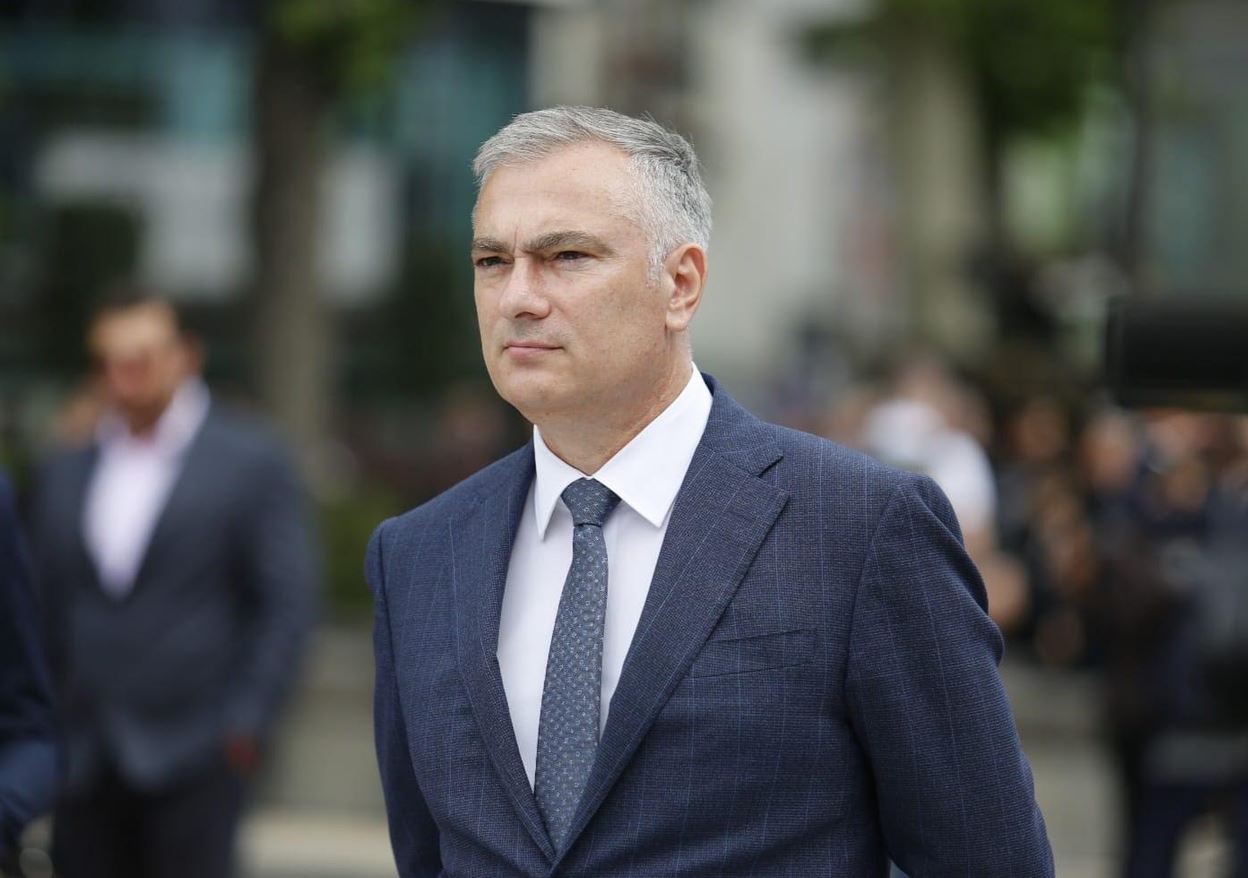
“Since 2012, a number of significant reforms have been carried out in the penitentiary system. A new Penitentiary Code was adopted a couple of years ago, and a number of new penitentiary facilities have been built. The approach toward inmates has changed significantly. Today, we can say that the penitentiary system protects the rights, health, safety and dignity of convicted and accused persons. One result of these reforms is that a number of programs are operating in penitentiary facilities to support the resocialization and rehabilitation of inmates. Many people leave penitentiary facilities with professional qualifications. The approach toward inmates has fundamentally changed,” Justice Minister Paata Salia said in an interview with Imedi TV.
Salia also discussed overcrowding in penitentiary facilities.
“You remember what was happening in prisons before 2012, when a cell designed for five people could accommodate 50, 60 or even 100 people, and they had to take turns resting. Today, when we talk about overcrowding, we are essentially not exceeding the overall limit. There are only three facilities where we slightly exceed the capacity limits set by the Council of Europe’s European Committee for the Prevention of Torture and Inhuman or Degrading Treatment or Punishment. The main challenge, of course, is infrastructure, which we are continuously improving. We recently completed the construction of a penitentiary facility in the city of Rustavi, with a capacity of approximately 150 people,” the minister said.
Salia also spoke about the reforms implemented in the penitentiary system since 2012.
“A great deal of work has been done and major changes have been implemented since 2012. Today, we are talking about isolated cases, whereas previously there were thousands of cases. This is demonstrated, among other things, by the number of cases concerning penitentiary facilities that were taken to the European Court of Human Rights in Strasbourg. Since 2012, there have been no complaints concerning ill-treatment in penitentiary facilities [submitted to the European Court]. We cooperate closely with the Public Defender. This close cooperation has resulted in many problems being addressed, and this is an ongoing process. No one can say in any country in the world that the penitentiary system, or any other system, is perfect and does not require reform. We can say that we are significantly ahead of many countries. There are still reforms to be carried out, but we are implementing them systematically. We are among the leading countries in the region in terms of protecting the rights and dignity of convicted persons,” Paata Salia said.