


Junior doctors in deficit specialities to receive opportunity to sit for state certification exams
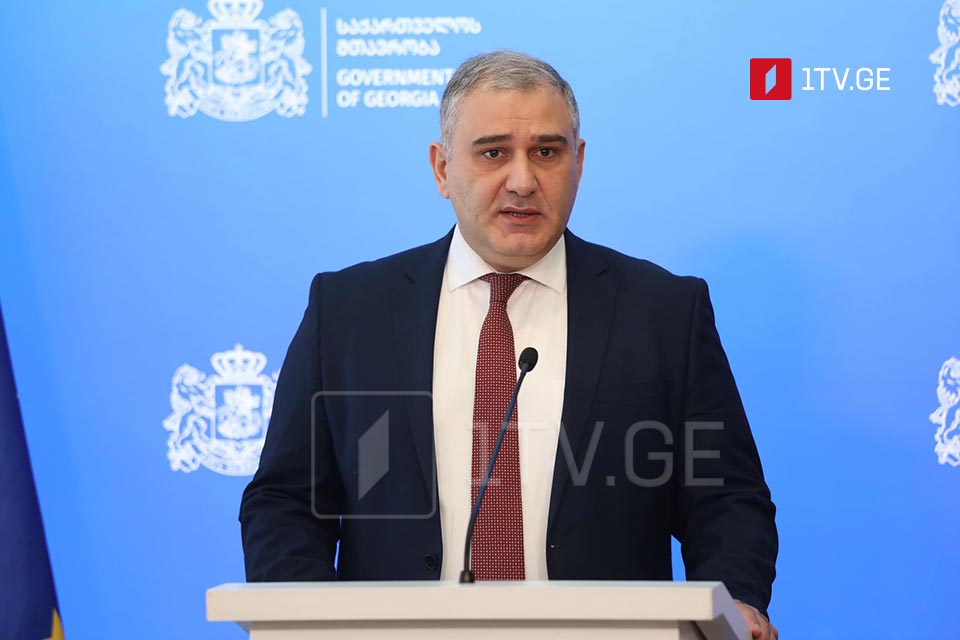
“For junior doctors who, for various reasons, were unable to complete residency programs but have relevant practical experience for the appropriate duration, a new opportunity has been provided. They will be admitted to certification exams, which, in turn, are necessary for independent medical practice,” announced Health Minister Mikheil Sarjveladze.
According to the amendments, junior doctors employed in deficit specialities who have already passed the unified diploma post-qualification exam and have worked in clinics for the duration specified by residency programs will be given the opportunity until October 1, 2026, to take state certification exams and obtain the right to independent medical practice.
The minister noted that the Parliament initiated amendments, while the ministry determined the list of deficit specialities based on detailed data analysis, which takes into account doctors’ certificates, actual employment indicators, age and geographical distribution, residency study data, and other factors.
“According to the recently approved and published amendments, approximately 800 junior doctors will be directly impacted by the new regulations. Those who wish to continue practising medicine will be allowed to do so under these updated norms. However, a prerequisite for this is successfully passing the certification exams.
It is particularly significant that, considering many challenges, doctors who were unable to complete residency for various reasons but have accumulated enormous experience through their practical activities will have the opportunity to take an exam that measures their real capabilities, qualifications, and skills. Based on this, they will be granted the right to independent medical practice.
The ministry will continue fighting in this direction against the challenges that may characterise the sector, so that in Georgia, the qualification of doctors in medical specialities develops constantly, continuously, and most importantly, at a rapid pace,” declared Mikheil Sarjveladze.
According to the Ministry of Health, the list of medical specialities facing shortages includes: Psychiatry, Radiation Oncology, Pediatric Gastroenterology, Pathological Anatomy and Clinical Pathology, Nuclear Medicine, Cardiac Surgery, Neurosurgery, Anesthesiology and Resuscitation, Nephrology, Emergency Medicine, Pediatric Emergency Medicine, Pediatric Infectious Diseases, Pediatric Phthisiatry and Pulmonology, Pediatric Haematology and Transfusiology, Plastic and Reconstructive Surgery, Physical Medicine, Rehabilitation, and Balneology, Rheumatology, and Forensic Medicine.