


Irakli Kobakhidze: Full audit of Georgia’s social welfare register to weed out those who no longer need support
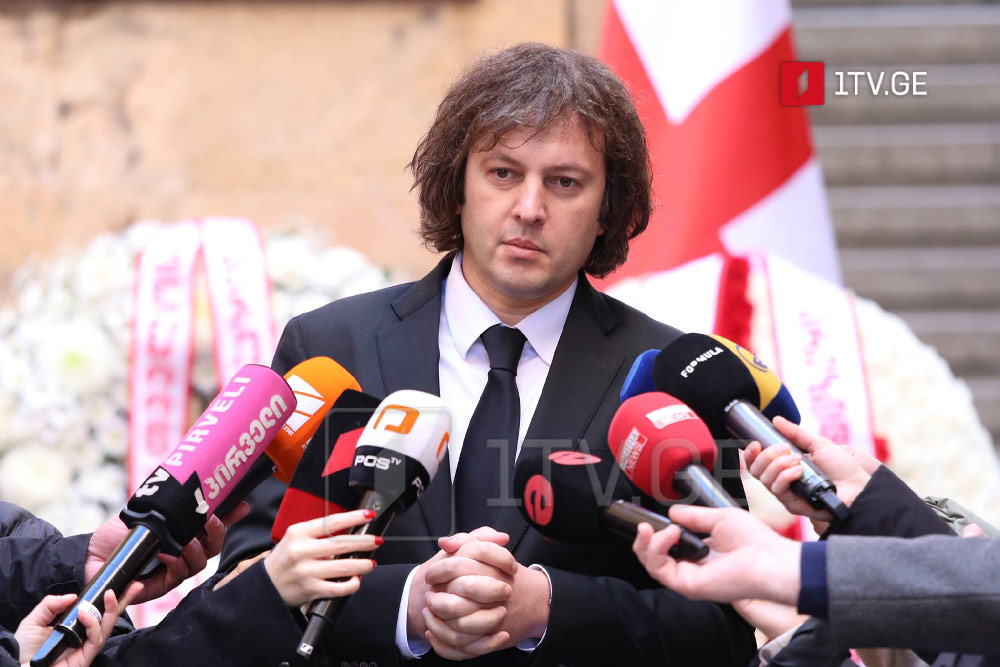
“The entire database of socially vulnerable citizens is to be reviewed in full, and when the process is complete, only those who genuinely require assistance will remain on it,” Georgian Prime Minister Irakli Kobakhidze told journalists.
As the Head of Government noted, the review of the social vulnerability register is an important but politically sensitive undertaking, and it is precisely that sensitivity which has led successive administrations to tread carefully around the issue for years.
“You may recall, if I am not mistaken, that around 2014 and 2015, when a qualitative review of the databases began, the process was accompanied by a great deal of speculation; people were brought forward who claimed their social assistance had been withdrawn unjustly, and so forth. Similar political point-scoring is to be expected this time as well.
The situation, however, is as follows: since 2020, there has been something of an informal moratorium on reviewing the social databases. This was not a deliberate policy decision; it simply happened that the process was never meaningfully resumed. In 2020, the register of socially vulnerable individuals was expanded due to COVID, and thereafter, no review of that register took place. The result is that one agency recently carried out a random sample check of 300 individuals receiving social assistance, discovering that 49 of them had monthly incomes of over 3,000 lari. The picture is clear. Consequently, we are now commencing the appropriate process: a comprehensive review of the social vulnerability register will be undertaken, and ultimately, only those citizens who genuinely require assistance will remain on it.
I can easily recall the figures: the poverty rate stood at 21.3 per cent in 2020, when the register was expanded, and reviews subsequently ceased. By 2024, the poverty rate had fallen to 9.4 per cent. The rate of removal from the register will therefore be considerable, though precisely how many and in what manner I cannot say at this stage. The Ministry of Health will oversee the process, and once it is complete, we will know how many remain on the register and how many do not,” said Irakli Kobakhidze.