


GNERC releases official information on new electricity tariffs
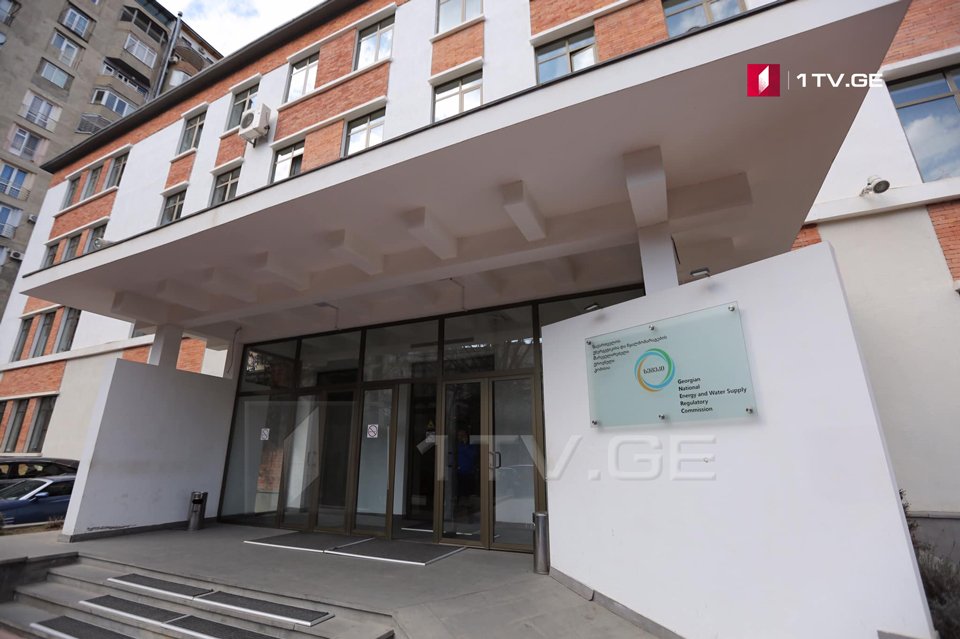
The Georgian National Energy and Water Supply Regulatory Commission has announced new electricity tariffs, which will come into force across Georgia starting April 1.
According to the regulator, tariffs for final consumers supplied by Telmiko and EP Georgia Supply have increased.
- Household (residential) tariffs increased by 5 tetri per kWh
- Commercial sector tariffs increased by an average of 4–6 tetri per kWh
Tbilisi Electricity Supply Company (Telmiko)
Household tariffs (including VAT)
- 0–101 kWh – 20.041 tetri/kWh
- 101–301 kWh – 24.053 tetri/kWh
- 301+ kWh – 28.537 tetri/kWh
- 10–6–3.3 kV – 31.647 tetri/kWh
- 380–220 V (small enterprises) – 35.261 tetri/kWh
Non-household (commercial sector)
- 110–35 kV – 27.762 tetri/kWh
- 10–6–3.3 kV – 31.976 tetri/kWh
- 380–220 V – 35.261 tetri/kWh
EP Georgia Supply
Household tariffs (including VAT)
- 0–101 kWh – 19.731 tetri/kWh
- 101–301 kWh – 23.707 tetri/kWh
- 301+ kWh – 28.227 tetri/kWh
- 110–35 kV – 30.322 tetri/kWh
- 10–6–3.3 kV – 32.880 tetri/kWh
- 380–220 V (small enterprises) – 35.713 tetri/kWh
According to the Commission, the price rise is mainly due to: Increased dependence on electricity imports, higher electricity purchase costs, and planned large-scale infrastructure investments.
Major Investments Planned
Energo-Pro Georgia to invest ~200 million GEL annually (2026–2030) — up to 1 billion GEL total
Additional 129 million GEL in network investments (not reflected in tariffs)
Telasi to invest over 400 million GEL in Tbilisi
Total sector investment exceeds 1.5 billion GEL
These investments aim to reduce emergency outages, improve service quality, modernize the electricity distribution network, and support renewable energy integration.
The Commission stated that the tariff increase was kept minimal and balanced to avoid a sharp rise, especially for businesses. It also noted that tariffs were reduced by 3 tetri in 2024–2025, meaning that compared to 2023 levels, the overall increase is only about 2 tetri. Despite the adjustment, electricity prices in Georgia remain among the lowest in the region and Europe, according to the Commission.