


Georgian PM warns that hostile acts by European bureaucracy severely erode Georgians’ trust in EU
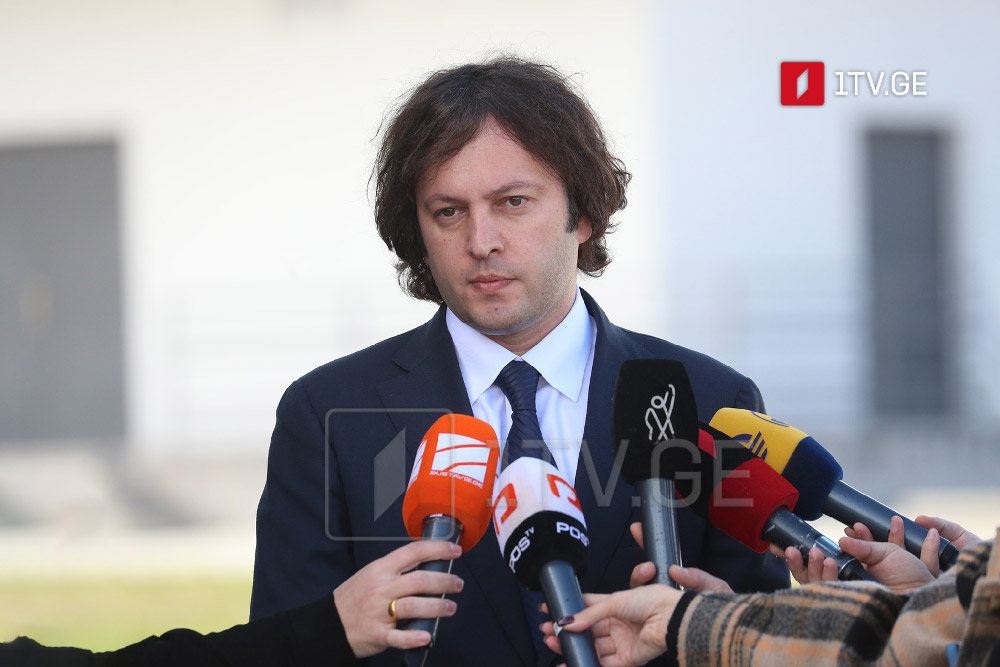
“The Georgian people can clearly see that the European bureaucracy is acting with hostility towards them, and as these hostile sentiments translate into concrete actions, trust in European institutions is plunging, and this shift is unfortunately dragging down trust in the European Union itself,” the Prime Minister of Georgia, Irakli Kobakhidze, said during a live broadcast on the television channel Imedi LIVE.
The Head of Government expressed hope that this trajectory would eventually reverse and that the European bureaucracy would begin making sovereign decisions.
“There is direct hostility being shown towards the Georgian people, but no less hostility is being directed at the Moldovan and Ukrainian peoples,” Prime Minister Kobakhidze stated.
“If they had truly wanted to support the Moldovan people, they would have helped Moldova’s economy get back on its feet. They failed to do so, and you can see the consequences—the EU effectively lost the referendum in Moldova, where only 45% of the resident population supported European integration.
The Moldovan people can see that, in reality, no one is helping them, resulting in the severe economic crisis currently engulfing the country. The Moldovan President actually lost the domestic election and only crossed the threshold thanks to the diaspora. In other words, those living outside the country voted for her, while more than 50% of those living inside the country did not support her re-election.
They do not care even for the Moldovan people, with whom they have no formal conflict. With the Georgian people, however, they have an open confrontation; therefore, they certainly have no concern for our citizens.
The EU’s own Eurobarometer polls show that trust in European structures, and in the EU as a whole, has declined. The public sees all of this. When you look at survey data regarding what people think of the European bureaucracy, trust is at roughly the same level as trust in NGOs. This is exceptionally low, hovering somewhere between 15% and 20%.
This is the direct consequence of the policies our public is witnessing. The Georgian people see that the European bureaucracy is acting against them, maintaining a hostile stance and demonstrating this through concrete steps. In times like these, trust in the European bureaucracy naturally plummets, and regrettably, this trend is spilling over into trust towards the European Union itself. This is confirmed by research, including Eurobarometer surveys, which is deeply regrettable. We remain hopeful that at some point this situation will turn around, and the European bureaucracy will begin to make sovereign decisions,” the Prime Minister concluded.