


Georgia increases foreign currency loan limit to GEL 750,000 from August 1
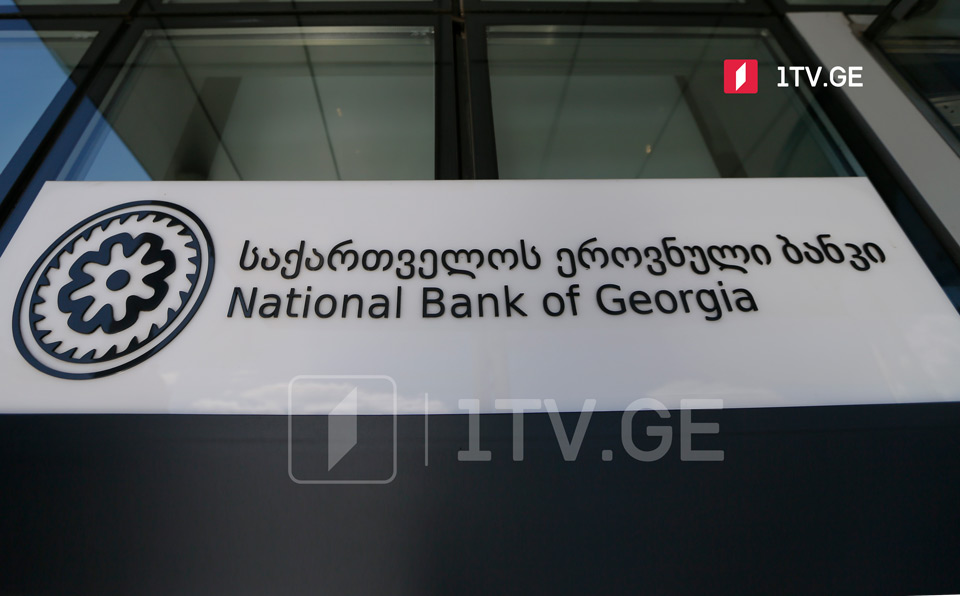
The National Bank of Georgia (NBG) has announced that, starting August 1, 2025, the cap on unhedged foreign currency loans will rise from GEL 500,000 to GEL 750,000. This change means citizens earning in GEL will no longer be able to access loans exceeding GEL 750,000 in any foreign currency.
Davit Utiashvili, Head of the Financial Stability Department, emphasised that dollarisation remains a key challenge for Georgia’s financial sector. The Bank is prepared to take further measures if needed to reduce foreign currency dependence.
“Currently, 43% of loans and 50% of deposits are in foreign currency, among the highest in the region and globally. To address this, we’ve gradually increased lending limits over the past year and a half, aiming to curb dollarisation. The new GEL 750,000 limit will facilitate around 1,000 loans annually, totalling roughly USD 150 million, supporting the long-term goal of de-dollarisation,” Utiashvili explained.
He noted that the current dollarisation level may decline to around 40% by year-end, with further decreases expected. The NBG will continue monitoring trends and may implement additional measures, including adjusting limits or other instruments, to promote a sustainable decline in dollarisation.
“Currently, we consider a limit of GEL 750,000 appropriate for continuing de-dollarisation. However, if we observe that risks are not diminishing, indeed, if they increase due to certain factors, the National Bank, as in previous years, will take further steps. At this stage, the specific instrument remains uncertain; it could involve adjusting the current limit or employing a different tool. As always, the National Bank will monitor the situation and act accordingly,” Davit Utiashvili, Head of the NBG Financial Stability Department, told GPB First Channel.
He noted that the recent downward trend in dollarisation has been partly driven by increased foreign currency inflows since 2022, which have accumulated in deposits and supported lending in foreign currency.
“One of the factors was the inflow of foreign currency since 2022, which accumulated in deposits. Naturally, a significant portion of these funds was placed in foreign banks. In response, the National Bank introduced certain measures, even though these funds remained on deposits. This created an incentive for the banking sector to lend these funds, which partly explains why foreign currency lending continued and why the pace of de-dollarisation slowed,” Utiashvili told GPB First Channel.
Utiashvili reaffirmed the NBG’s commitment to monitoring these trends and taking appropriate steps to ensure the long-term reduction of dollarisation in Georgia’s financial system.