


GD to submit complaint to MIA concerning offence, hate speech, and terror against public officials
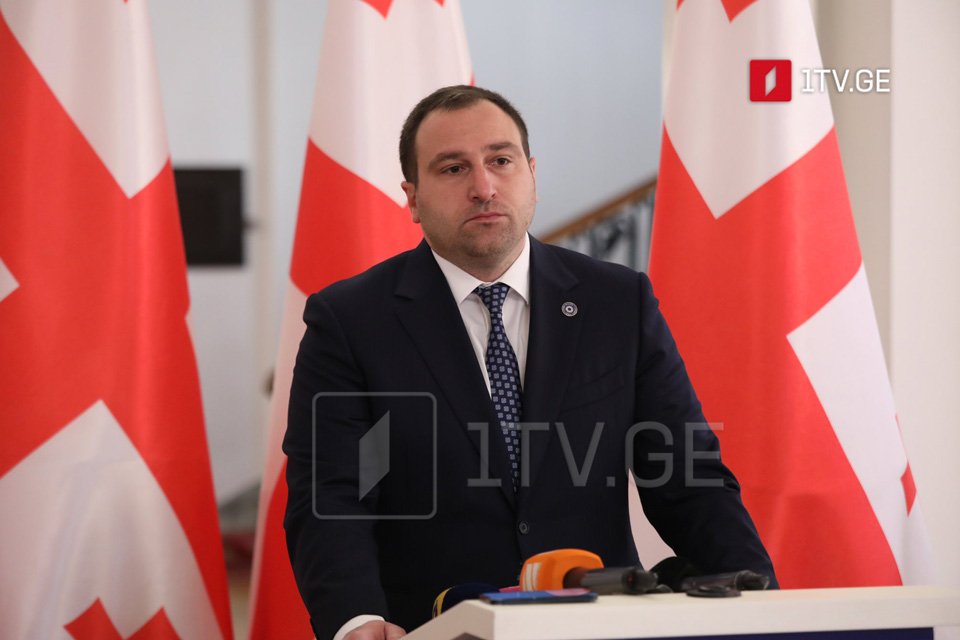
The Georgian Dream (GD) faction announced that it will file a formal complaint with the Ministry of Internal Affairs (MIA) to address and prevent the use of destructive, offensive, and slanderous statements aimed at discrediting state institutions in the future, stated the ruling party MP, Irakli Kirtskhalia, during a briefing.
According to Kirtskhalia, hate speech, propaganda, and acts of terror in public discourse orchestrated by the radical opposition and their controlled extremist groups are often motivated by foreign-funded NGOs or, in many cases, by foreign governments.
“Despite repeated calls from the ruling team at all political levels and appeals from prominent platforms urging donors and embassies to condemn this orchestrated terror campaign, we have received cynical responses. There is no clear boundary between legitimate verbal criticism and systemic hatred designed to undermine our sovereignty and institutions. Our fundamental stance is that hate speech—whether orchestrated or targeted—along with political violence, will not be tolerated in Georgian politics,” he stated.
Kirtskhalia further emphasized that foreign-funded extremists do not shy away from offence, intimidation, bullying, or insulting family members and relatives. He described this behaviour as having acquired a systemic and widespread character.
“Responding to this terror is not only a right but an obligation,” he declared.
The GD representative also reminded that a law has been in effect since February 2025, stipulating that offending a public or state official while performing official duties constitutes an administrative offence.
“We are initiating legal proceedings against the ongoing offence and hate speech campaigns targeting our faction members. We are also applying to the Ministry of Internal Affairs for a decisive response, ensuring that no one can continue to use destructive, offensive, and slanderous statements aimed at discrediting our state institutions in the public sphere,” Kirtskhalia concluded.