


FM: UN summit must drive resource mobilisation and political commitment for sustainable development
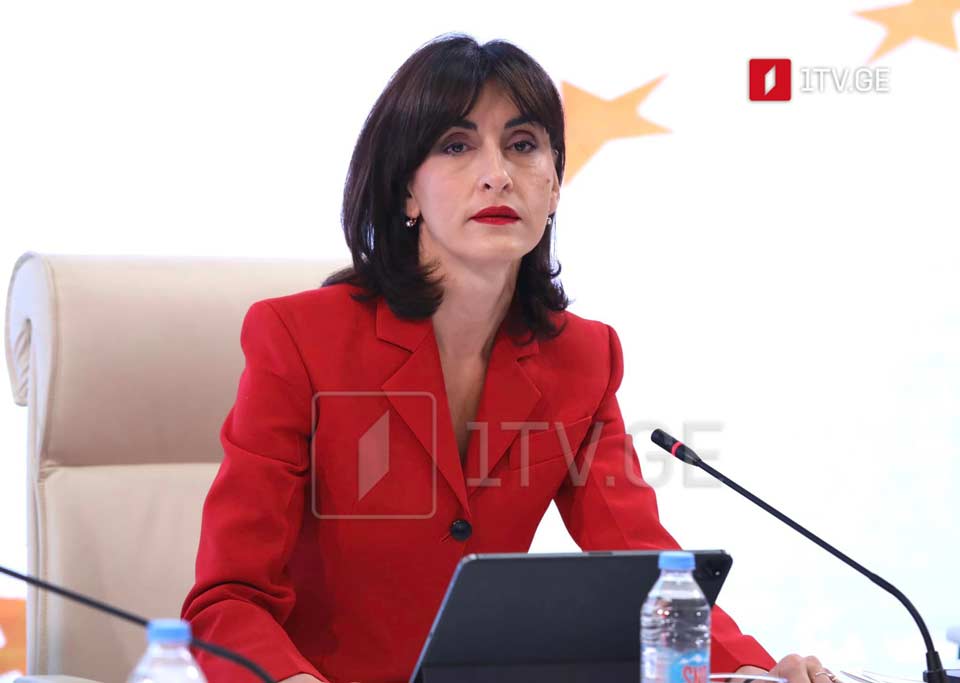
“This summit must become a turning point, it must strengthen our resolve regarding the implementation of the Pact for the Future and ensure the mobilisation of resources, political will and cooperation necessary for just, sustainable development,” Georgia’s Foreign Minister Maka Botchorishvili declared at a panel discussion held within the framework of the UN General Assembly.
According to Botchorishvili, Georgia is completely faithful to this vision.
“At the beginning of my remarks, I want to thank the Secretary-General for organising this summit, which is held once every two years. The summit provides a timely and vital platform to assess the collective progress we have made in financing the Sustainable Development Goals and to analyse the outcomes of the Fourth International Conference on Financing for Development. As we mark the 80th anniversary of the signing of the UN Charter, we do so amidst mounting global challenges, be it prolonged conflicts, widespread human rights abuses, or threats to food security, economic inequality, and the impacts of the climate crisis. These interconnected shocks not only nullify the results achieved in development over decades but also expose fundamental weaknesses in the global financial system.
For precisely this reason, this summit must become a turning point. It must strengthen our resolve regarding the implementation of the Pact for the Future and ensure the mobilisation of resources, political will and cooperation necessary for just and sustainable development.
Dear colleagues, Georgia is completely faithful to this vision. Despite regional uncertainties and external shocks, we have preserved macroeconomic stability through prudent fiscal and monetary policies. Over the past four years, Georgia’s economy has grown at an average rate of 9.7%. Our economy is resilient and marked by dynamic growth in sectors such as trade, transport, information and communication technologies, tourism, and construction, all of which support an inclusive and sustainable recovery. What is even more significant is that state resources are being used to fulfil long-term national and regional priorities: specifically, we are making investments in the renewable energy sector to achieve climate change-related goals and to strengthen regional energy security; we are accelerating digital transformation to address connectivity gaps and improve government services; we are developing such strategic infrastructure as the Black Sea submarine cable and Anaklia Deep Sea Port to strengthen connections between Europe and Asia. These projects will not only bolster Georgia’s economic foundation but also facilitate a broader transformation of the Middle Corridor into a competitive, secure, and sustainable route—one that supports both trade development and the transportation of energy resources.
We are proud of Georgia’s function as an open trade hub. Sixteen free trade agreements give Georgia access to the markets of the European Union, China, the European Free Trade Association, the United Kingdom and CIS countries, which unite 2.3 billion consumers. All these achievements became possible despite security challenges in Georgia and Russia’s illegal occupation of the Abkhazia and Tskhinvali regions. Our response continues to be based on international law and peaceful resolution of the conflict,” Maka Botchorishvili declared.