


Dubravka Šuica: Georgian people expect us to react
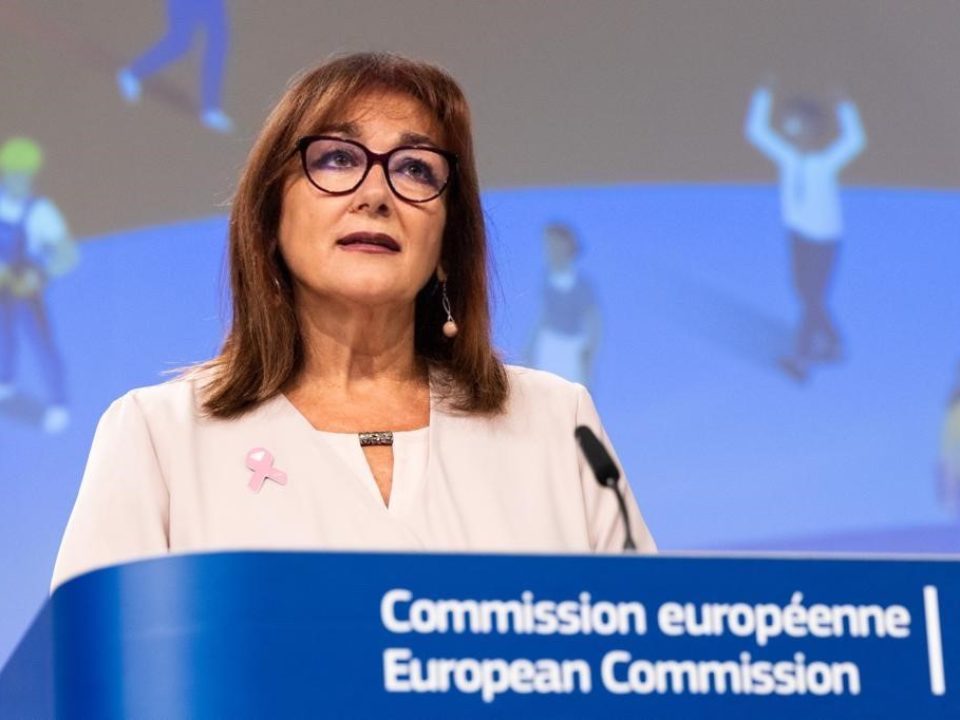
“Those responsible for the violence need to be held accountable, and the authorities need to take urgent steps to stop the repression, release the protesters arbitrarily detained and re-engage in the accession process,” said Dubravka Šuica, Croatian Commissioner responsible for the Mediterranean, in the European Parliament which is holding a debate on Georgia “Crackdown on peaceful pro-European demonstrators in Georgia.”
According to Dubravka Šuica, the EU continues to stand with the Georgian people, including by redirecting funding away from the authorities towards civil society and independent media.
For almost three weeks, the Georgian people have been protesting across the country to defend their democratic and European future. The unprecedented protest followed the announcement by the Georgian authorities of their decision not to seek the opening of accession negotiations until 2028. This step is a clear shift from the policies of the previous Georgian governments and the aspirations of the vast majority of the population. It is also the first time ever we see a country that was granted candidate status immediately and markedly, shifting away from its European path.
The situation in Georgia keeps deteriorating. Over the past two weeks, more than 450 individuals have been detained around 300 have reportedly suffered violence and ill-treatment, many requiring urgent medical care. The police charged over 400 individuals with administrative and over 30 with criminal offence, while no one from the law enforcement or informal violent groups has been held accountable for the excessive use of force.
These events are not isolated incidents, but part of a broader pattern of Georgian Georgia’s democratic decline to the parliamentary Prior elections on 26th October, there were marked by serious irregularities. The authorities adopted the Foreign Influence law and the so-called Family Values Legislative Packages package. Both these legislative initiatives go against European norms and values. In June, we responded by adopting a number of measures, including including including, downgrading political contacts as special assistance, €330 million under the European Peace Facility Assistance, and €121 million in direct assistance to the government.
Georgia’s succession process has been effectively halted. The authorities have not referred have not reversed their course of action. Honourable members, it was time for the European Union to react in a decisive and unified manner. This is what the Georgian people expect us to do. Those responsible for the violence need to be held accountable, and the authorities need to take urgent steps to stop the repression, release the protesters arbitrarily detained and re-engage in the accession process.
Yesterday at the Foreign Affairs Council, we agreed to halt the visa-free regime for diplomatic and service passport holders, and we also discussed sanctioning under the European Union Global Human Rights sanctions regime, those Georgian officials responsible for, involved in, or associated with serious human rights violations. At the same time, we will continue to stand with the Georgian people, including by redirecting funding away from the authorities towards the civil society and towards in the independent media so they can continue their work during this crucial period,” she said.