


Deputy Justice Minister: Council of Europe resolution explicitly enshrines Russia’s obligation to commence de-occupation of Georgia
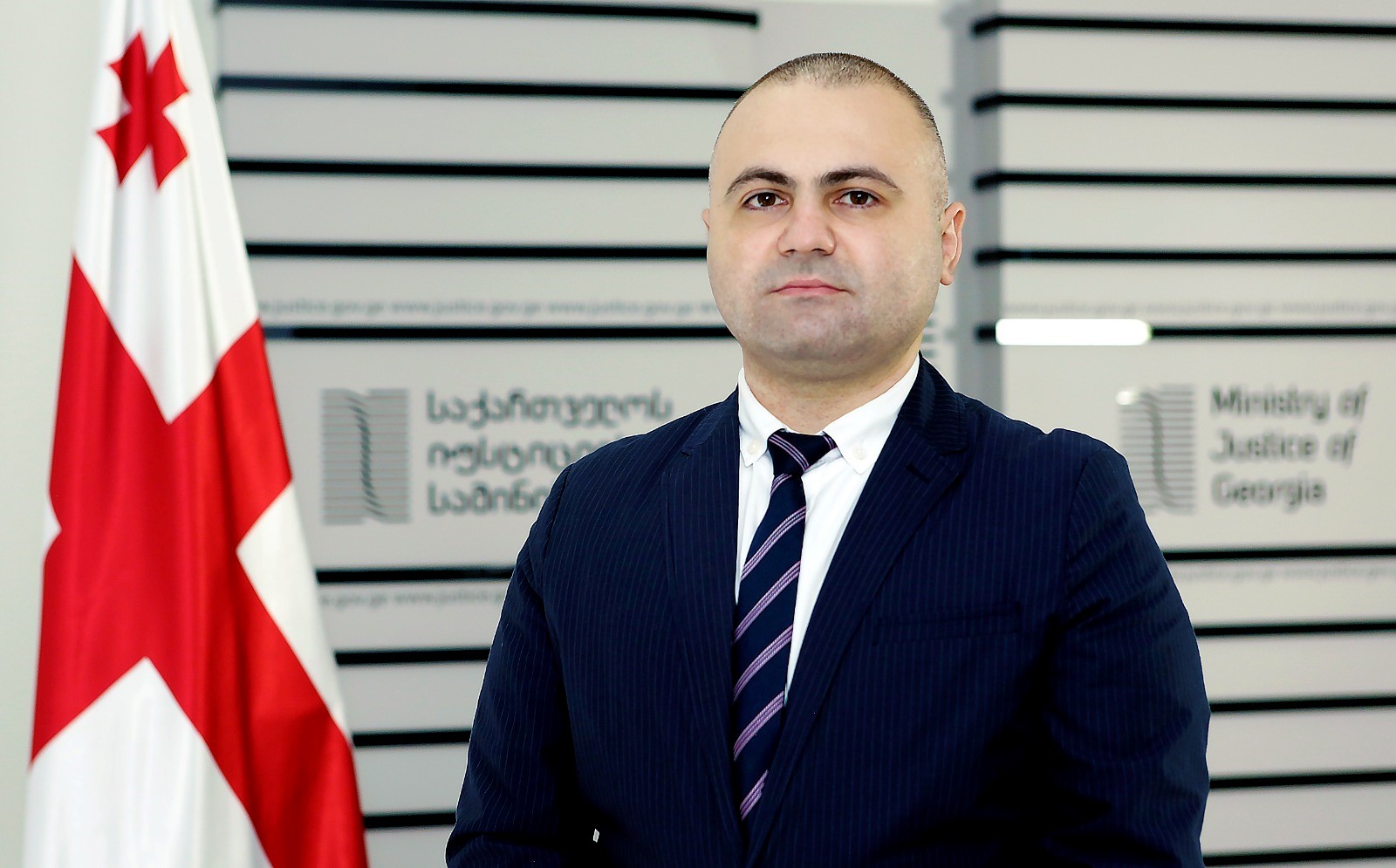
“Despite Russia no longer holding membership in the Council of Europe, a newly adopted resolution by the Committee of Ministers reaffirms its binding international obligation to comply with European Court of Human Rights decisions,” stated Deputy Minister of Justice Beka Dzamashvili.
The Deputy Minister stressed that continued engagement with the Council of Europe’s executive body remains essential to establishing concrete mechanisms for enforcing these rulings.
“Our government consistently, calmly, professionally, and legally defends state sovereignty and national interests. The public knows full well that Georgia has won every single legal battle against the Russian Federation in Strasbourg and across all international tribunals.
As a result, it is now legally established that Russia bears sole responsibility for every violation committed during the 2008 war and throughout the ongoing occupation that followed. Crucially, these rulings legally confirm that Russia’s occupation of Georgian territories has been continuous since the 1990s, holding Moscow accountable for human rights abuses across this entire period.
Consequently, Russia is ordered to pay approximately EUR 430 million in compensation, alongside its broader obligation to rectify all established violations. Following this ruling, maintaining close co-operation with the CoE Committee of Ministers is paramount to identifying enforcement avenues. Although the Russian Federation is no longer a Council member, the Committee’s resolution confirms that international legal obligations remain binding.
The resolution explicitly mandates Russian responsibility for redressing these violations, making it clear that Moscow must commence the de-occupation process and facilitate the safe return of internally displaced persons. These violations touch upon fundamental rights: the right to life, the prohibition of torture, property rights, and the right to education in one’s native language. Furthermore, full legal responsibility for restricting freedom of movement along the so-called ‘borderisation’ line rests entirely with Russia,” Dzamashvili stated.
Dzamashvili emphasised that these judicial decisions and diplomatic resolutions carry profound practical weight, serving as an indestructible legal foundation for de-occupation when geopolitical conditions align.
“Regarding the practical significance of these rulings and resolutions, their impact is immense: they serve as the primary legal bulwark halting any further international recognition of the occupied regimes. On the contrary, Georgia’s non-recognition policy has delivered undeniable results: not a single new state has recognised the occupied territories, while the handful that did have started walking back their recognition. These judgments establish a definitive legal guarantee that will underpin the de-occupation process the moment the appropriate geopolitical landscape emerges,” Dzamashvili noted.
According to the Ministry of Justice’s statement, the Council of Europe’s Committee of Ministers reiterated its unwavering support for Georgia’s sovereignty and territorial integrity while calling on Russia to fulfil its international obligations without delay.