


Conscript call-up notices to be served by official summons and text message under proposed changes to Defence Code
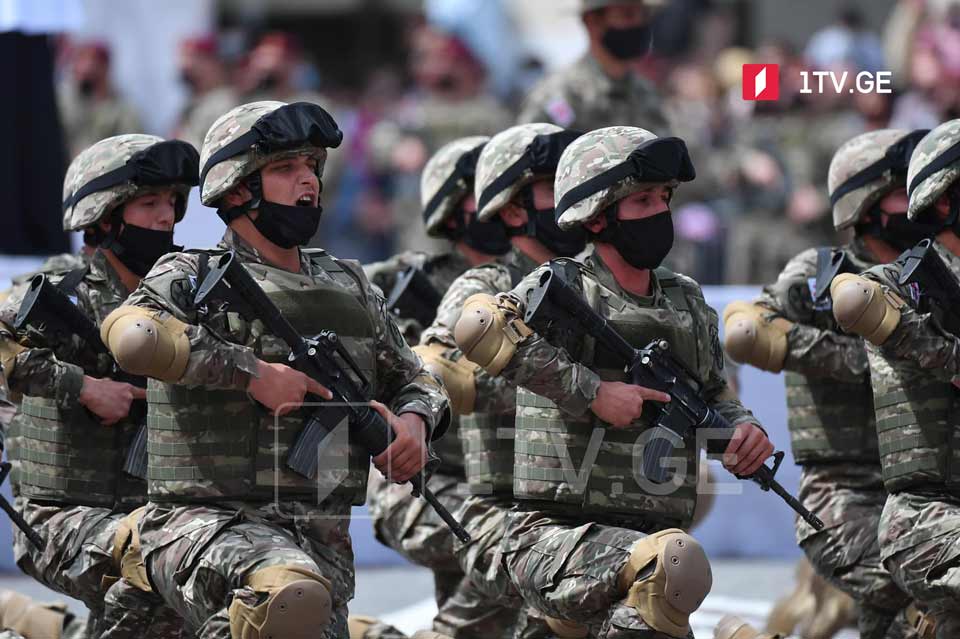
“No new conscription mechanism is being introduced, only procedural clarifications are being made,” stated Deputy Defence Minister of Georgia Grigol Giorgadze in connection with planned amendments to the Defence Code.
“Practice has shown that certain matters require greater precision. In reality, only procedural clarifications are being made; no new provisions or mechanisms are being introduced, particularly regarding notifications. The notification mechanism is well-established across a wide range of institutions, including courts and various administrative agencies, and is also in place in other countries. In this instance, there is nothing new. It is simply a matter of correcting terminology: the word ‘notification’ is being replaced with ‘service of summons’.”
As for young people who have gone abroad to study, as is standard practice in Georgia, student status constitutes grounds for deferral. Accordingly, if a person provides documentation confirming that they are studying abroad, they will naturally be entitled to a deferral.
The grounds for deferral are set out in law. When an individual faces personal circumstances that could cause irremediable harm through military service, a specialised commission reviews such cases and makes appropriate decisions regarding deferral. This mechanism has been in place for several years, and to date, no issues or problematic cases have been reported. As for the call-up itself, each case will be assessed individually. If service creates difficulties for a person’s career, studies, or personal life, we will examine the matter on an individual basis.
The phrase ‘immediate return’ does not appear anywhere in the legislation. The law speaks of a reasonable timeframe, which is determined on a case-by-case basis, so that the individual can conclude their current affairs and then plan the fulfilment of their obligation,” Giorgadze stated.
When asked what action would be taken if a conscript abroad failed to return, Giorgadze remarked:
“The same applies within Georgia. There are already cases in Georgia where individuals evade their obligation, and naturally, the response mechanism comes into effect. The fine is set at 1,000 lari.”
He also affirmed that no alterations would be made concerning the posting of information on the website.
“This mechanism has existed for years, both in other state agencies and in the Ministry of Defence. If a conscript is unable to acquaint themselves with the notification, they will have the right to appeal. There may very well be a legitimate, objective reason why the information did not reach them; in such cases, the matter will be considered individually and examined by a court. Today, there are numerous means of communication, and publication on the website represents the final stage. In practical terms, there are countless communication channels available, making it virtually impossible not to reach or contact someone. If we are dealing with a deliberate attempt to evade one’s responsibilities, then this very mechanism has been introduced, because fulfilling one’s obligations is essential and must be ensured. At the first stage, a direct attempt is made to communicate with the conscript personally, or with a member of their family, whether by telephone call or text message. Post or a visit to their address are also options. There are many avenues available before the matter is published on the website,” Giorgadze stated.
The draft legislation also provides that a conscript’s call-up notice shall be served both by official summons and through other means of communication, including text message.
Under the proposed amendments, military call-up shall be carried out in the following sequence:
Service of a notice or summons upon the individual, to be confirmed either by the individual’s own signature, or, should they refuse to sign, by the signature of the person authorised to serve the notice; and by technical or other means of communication, to be confirmed by acknowledgement of receipt and a formal record drawn up by the relevant authority.