


Chain supermarket charges could be regulated, leading to tax savings and lower prices for distribution sector
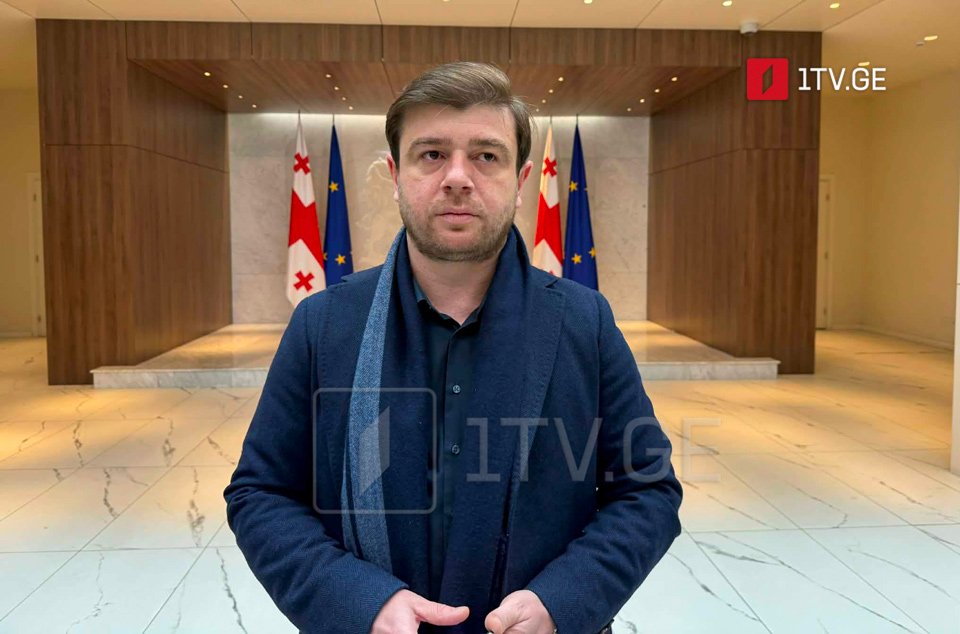
“If the charges imposed by chain supermarkets are brought within a regulatory framework, this will ultimately have a positive effect on prices,” the head of Georgia’s Distribution Business Association, Lasha Rizhamadze, told journalists before a meeting between Georgia’s Prime Minister and distribution company representatives at the Government Administration.
“For years, the Distributors’ Association has been raising the problems that sector representatives are here to discuss today at the Government Administration. We remain hopeful that the problems, which were amongst those highlighted in the Prime Minister’s statement, regarding the problematic issues that exist in relations with retail chain outlets, will be resolved in accordance with international practice in such a way that no business entity is harmed and there is a positive impact on prices and price formation. It should be noted that apart from the aforementioned problems, there exists a whole range of issues which significantly affect prices, and a whole series of steps need to be taken comprehensively,” Lasha Rizhamadze noted.
Moreover, according to him, for the distribution sector, if the charges imposed by retail chain supermarkets are brought within a regulatory framework, there is scope to free up funds and save those charges, which will ultimately have a positive effect on prices.
“For manufacturers, not just distribution, every additional cost imposed by chain supermarkets has a certain impact on price. If this is brought within a certain framework in accordance with international practice, it will ultimately have a positive effect on prices,” Rizhamadze stated.
According to Rizhamadze, distributors and local manufacturers are compelled to accept the conditions imposed by chain supermarkets, including so-called cashback, entrance fees, shelf fees, and other additional costs. These expenses are reflected in the final price.
“On paper, it may appear that the markup belongs to the manufacturer; in reality, funds are mobilised from that markup back to the retail chain outlet,” Lasha Rizhamadze stated.
According to Rizhamadze, they see the possibility of maintaining price stability.
Journalists questioned him about Irakli Kobakhidze’s statement, in which he notes that the total average markup amounts to 86 per cent.
“We don’t know by what formula 86 per cent was calculated. It’s possible that for certain products there is a similar markup, for others less, or more. It’s not only chain supermarkets that cause this, but they play a significant role. In reality, there exists a whole range of other circumstances which ultimately have an impact, including banking products, increased prices abroad and so forth,” Rizhamadze noted.
Moreover, regarding the State Security Service’s request for documents from various companies, Lasha Rizhamadze stated that it would have been preferable for companies to have been informed about law enforcement agencies’ entry and for this fact not to have been unexpected.
“The entry of law enforcement agencies was somewhat unclear for all sectors. Given that they actively cooperate with the Competition Agency. During the past period, they provided certain information; even now, they remain willing to cooperate with any organisation. It would have been preferable if they had been informed in advance that law enforcement agencies would be drawing materials, so the process would not have come as a surprise. Otherwise, there is no issue. At any time, any agency has the authority to remove any document from any distributor or local manufacturer,” notes Rizhamadze.