


CEC Chair regrets OSCE/ODIHR not observing October 4 elections, citing a lack of time, even though they managed observation in other countries
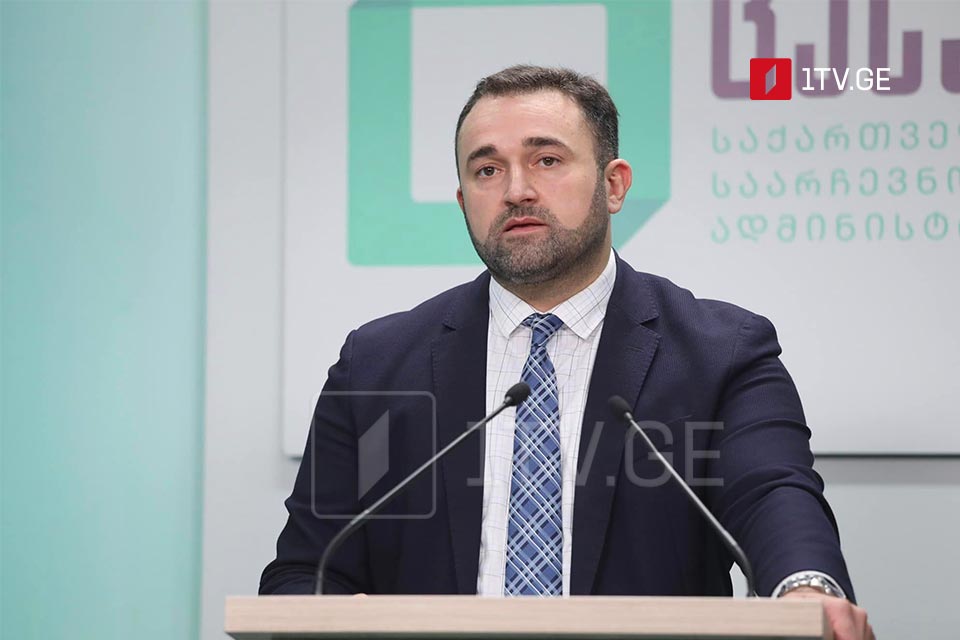
“Before the elections, all parties agreed that the OSCE/ODIHR’s conclusions would be accepted. However, attempts to discredit this document have occurred both locally and internationally, mainly favoring certain political agendas,” stated Giorgi Kalandarishvili, Chairman of the Central Election Commission (CEC).
Kalandarishvili added that if political parties wish for the OSCE/ODIHR mission to observe the elections, they should respect its conclusions.
“The election process will be monitored by 28 international and 27 local organisations, with approximately a thousand representatives from 73 media outlets covering the proceedings. Among the registered international organisations are representatives from embassies, international bodies, and election administrations from 21 countries, including Bulgaria, Albania, Bosnia and Herzegovina, Hungary, Slovakia, Montenegro, Turkiye, and Moldova,” Kalandarishvili explained.
The CEC noted that there has been much speculation surrounding the OSCE/ODIHR.
“It is truly unfortunate that, despite the opportunity, the OSCE/ODIHR will not observe the October 4 elections. The stated reason is a lack of time, yet they have managed to observe elections even within narrow timeframes in other countries. For instance, during the 2008 elections in Georgia, a mission was deployed a month in advance, which has become a standard practice. Generally, municipal elections are less frequently observed by international organisations. It is often mentioned that the OSCE/ODIHR observed the 2021 local elections, but that was in a different political context, with specific agreements and needs for observation at that time. The OSCE/ODIHR did observe the elections last year. Before the elections, all parties involved agreed that the organisation’s report would be acceptable to everyone. Unfortunately, subsequent attempts have been made, at both local and international levels, to discredit this document. Only proposals aligned with certain political agendas are being considered,” he said.
Kalandarishvili further stated that the OSCE/ODIHR’s report from last year does not identify any flaws capable of impacting the legitimacy of the election results.
“Let me direct you to where the OSCE/ODIHR summary begins: it notes good technical and procedural election management, reflecting our large-scale projects. This does not mean there were no errors—inevitably, mistakes can happen in a process involving many people. However, crucially, international reports and OSCE/ODIHR findings confirm these shortcomings did not affect results or legitimacy. If we want OSCE/ODIHR observation, we must respect its conclusions, even if we disagree with some points. We use the report as a guide, work on its recommendations, and maintain cooperation with the OSCE to foster a fair electoral environment,” Kalandarishvili explained.
The CEC Chair concluded that no local or international organisation has alleged that the Central Election Commission has created any barriers.
“On the contrary, we have welcomed, continue to welcome, and are open to further cooperation. The more diverse perspectives and recommendations we receive, the better we can develop and improve the electoral process,” he affirmed.