


Speaker: Yielding to U.S. Ambassador’s demands would have meant sacrificing Georgia to war
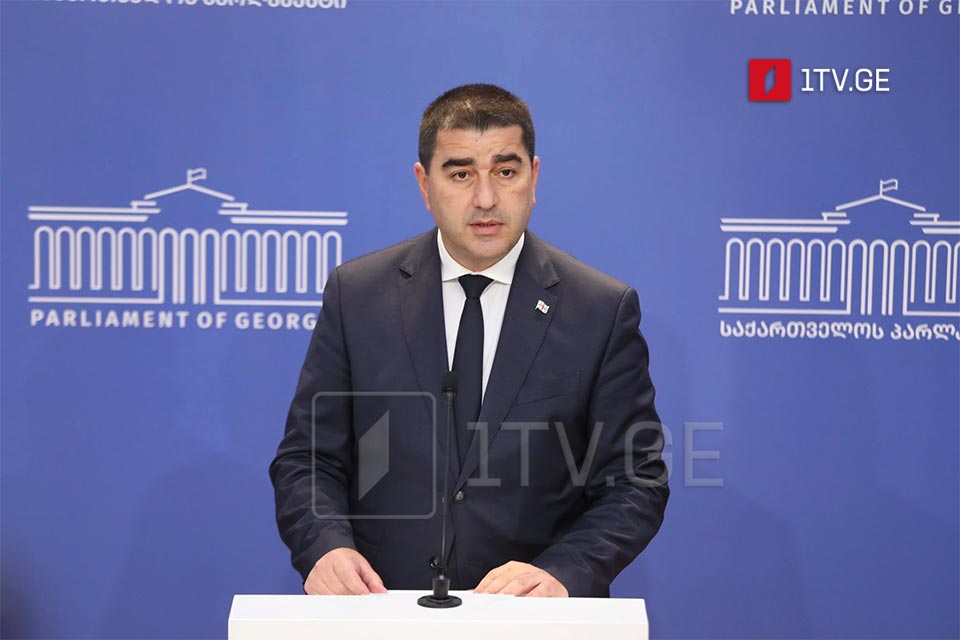
“I have stated, not only publicly, but personally to James O’Brien, the former Assistant Secretary of State, during his visit to Georgia last year, that yielding to the U.S. Ambassador’s demands would have meant sacrificing Georgia to war. I have never heard a convincing explanation, either at that meeting or at any other time, as to how one could demand that Georgia take the risk of military confrontation with Russia without providing security guarantees,” writes Shalva Papuashvili, Speaker of the Georgian Parliament, on social media.
According to Papuashvili, “the same applies to many European politicians operating under NATO’s umbrella with great fervour.”
“It is good that, against the backdrop of the war in Ukraine drawing to a close, the matter has been raised once again on what they demanded of us from the very first days of the war. Society is given another opportunity to comprehend what would have happened had foreign agents, rather than a national government, been sitting in the governmental offices as decision-makers when the war in Ukraine began. Had that occurred, our present concerns would not be the proper allocation of investments and education reform, but mourning the dead and raising our country from ruins.
The U.S. administration itself (and the West generally) declares that the war in Ukraine would not have happened under proper leadership from the previous U.S. administration. Even the U.S. government states that the war in Ukraine is a proxy war, a puppet war.
Four years after the war in Ukraine began, it appears this war is approaching its end. We all see how Ukraine must now contemplate accepting extremely harsh conditions. Given this context, it is even more evident how unscrupulous the Georgian is, still mocking the words, statements, and resolutions of those who yesterday were waving the flag of a vanguard detachment heading into someone else’s war.
What the then-U.S. Ambassador categorically demanded of me during a meeting on February 28, 2022, the fourth day after the war in Ukraine began, I have described many times. Therefore, I am attaching below, once again, my detailed post. I have always maintained that yielding to the U.S. Ambassador’s demands would have meant sacrificing Georgia to war. I expressed this not only publicly but also personally to James O’Brien, the former Assistant Secretary of State, when he visited Georgia last year. I have never heard a convincing explanation, either at that meeting or at any other time, as to how one could demand that Georgia risk military confrontation with Russia without offering security guarantees. The same applies to many European politicians operating under NATO’s umbrella with great fervour.
The fact is one: precisely those who, after our own war, counselled us to pursue a policy of strategic patience with Russia, demanded maximum escalation with Russia the moment the war in Ukraine began. That such escalation ends in war has been demonstrated to us many times by our own recent past. Those foreigners who demanded escalation with Russia whilst failing to see war at the end of that escalation were either naïve themselves, or thought us fools. Fools who would believe in their naïveté,” writes Shalva Papuashvili.