


Papuashvili: Georgia defeats Brussels again with ECHR’s ruling; this is yet another victory for Georgian people
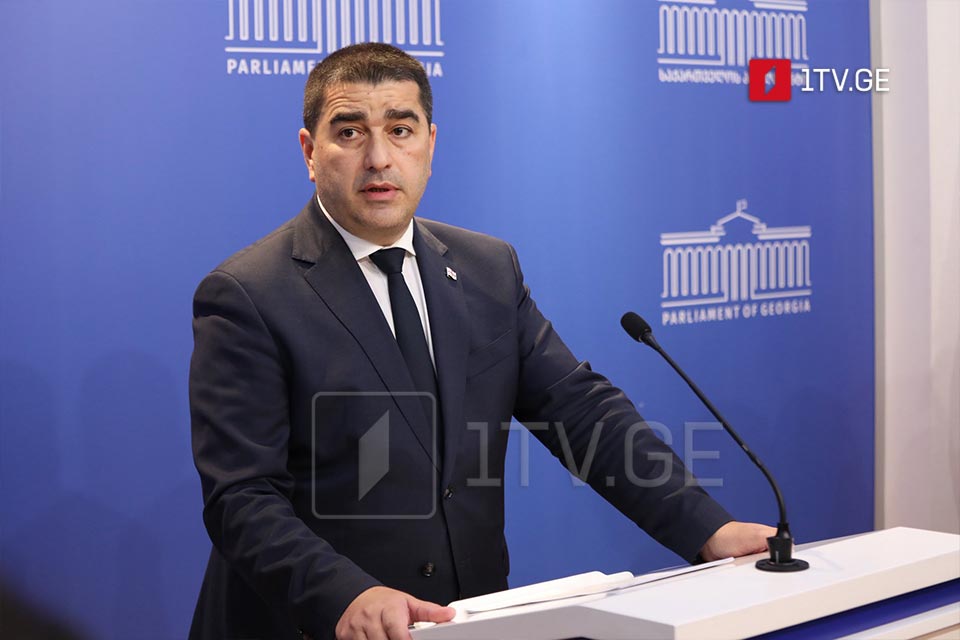
“The initiative directed against hate speech campaigns is significant and entirely to be welcomed; the legislation was brought into conformity some time ago by the Georgian Parliament with the standards that ought to exist in a democratic state; standards that do not permit, among other things, the use of hate speech,” declared Parliament Speaker Shalva Papuashvili.
According to him, the legislation is at the appropriate level, and what now matters is that enforcement should also be active.
“It is to be welcomed that the Ministry of Internal Affairs has decided to approach this matter proactively, to establish a dedicated unit that will work to eradicate the attempts to sow venom and enmity, which is the true purpose of hate speech in Georgia. All of this consists of hate campaigns imposed from outside. Among other things, yesterday brought precisely such a ruling from the Strasbourg court, which has ultimately placed its seal of approval on the Georgian authorities’ policy. This ruling represents full endorsement of that policy. The case concerns the direct and obscene verbal abuse of politicians and public officials by one of the regular activists in 2022, for which he was fined. This case was taken to Strasbourg by the Georgian Young Lawyers’ Association (GYLA). And who funds GYLA? The European Union does.
That is to say, GYLA took the case to Strasbourg and argued that hurling obscene abuse at a person’s mother is a perfectly normal, characteristic feature of democracy. So the European Union was funding both the entrenchment of hate speech in our country and the resistance to its eradication. In Strasbourg, Georgia has once again defeated Brussels, which was attempting to embed hate speech within our society. This is yet another defeat for Brussels and yet another victory for the Georgian people. I would remind you that the EU Embassy not only fails to condemn hate speech but actually rewards those who are distinguished by its use. This matter, therefore, is not merely a question of aesthetics or emotion; it is a matter of national security,” Papuashvili declared.
According to information released by the Georgian Ministry of Justice, the Strasbourg Court, in the case of Miladze v. Georgia, upheld the ministry’s position and confirmed that publicly made offensive, degrading, and obscene statements directed at public officials are not protected by freedom of expression.