


Ministry of Justice: ECHR rules that offensive, obscene, and degrading statements made in public fall outside bounds of freedom of expression
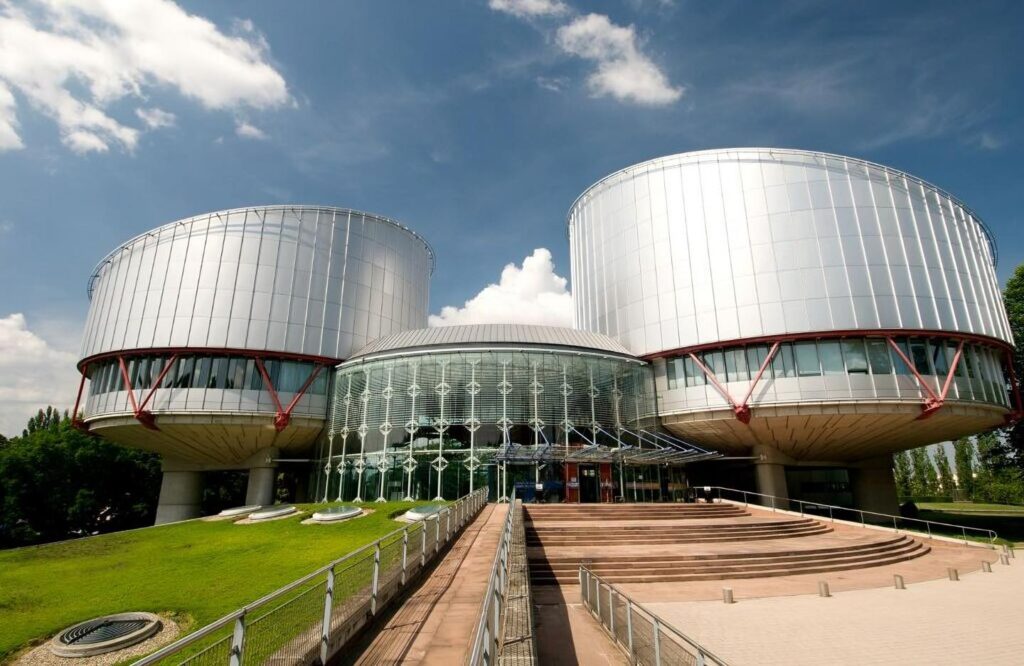
“The Strasbourg Court, in the case of Miladze v. Georgia, has upheld the position of the Ministry of Justice and confirmed that offensive, degrading, and obscene statements made publicly against public officials fall outside the protections afforded by freedom of expression,” reads a statement released by the Ministry of Justice of Georgia.
According to the Ministry, the case concerned a video posted in 2022 on the social media platform TikTok, in which the applicant, civil activist Irakli Miladze, used obscene and offensive language directed at the Mayor of Tbilisi, City Hall employees, and police officers. For this, the national courts imposed upon him the minimum penalty prescribed by law, a GEL 500 fine.
“The European Court unanimously determined that the applicant’s statements did not constitute political criticism or the expression of opinion on a matter of public interest. In the Court’s assessment, the language employed was intended to humiliate and insult public officials. The Strasbourg Court also endorsed the reasoning of the national courts, noting that they had correctly drawn the line between sharp political criticism and personal insult. The decision placed particular emphasis on the fact that the measure applied to the applicant was minimal and proportionate; he was subject only to the minimum fine prescribed by law. Today’s Strasbourg Court ruling reaffirms a vital principle: freedom of expression is a core value of a democratic society, safeguarding even strong criticism. However, it does not justify degrading or personally humiliating others, including public officials and civil servants. The ruling reaffirms once more that the state is entitled to protect political officeholders and public servants from unwarranted verbal attacks and insults, so that they may perform their duties in an environment free from dignity-diminishing pressure. The Strasbourg Court’s assessment underscores once again the fundamental importance of freedom of expression, whilst at the same time making it unequivocally clear that its exercise, particularly in online spaces and on social media, must not descend into conduct that violates the dignity and rights of others,” reads the statement issued by the Ministry.