


Kazakhstan eyes Baku–Tbilisi–Ceyhan and Baku–Supsa pipelines as alternative oil export routes
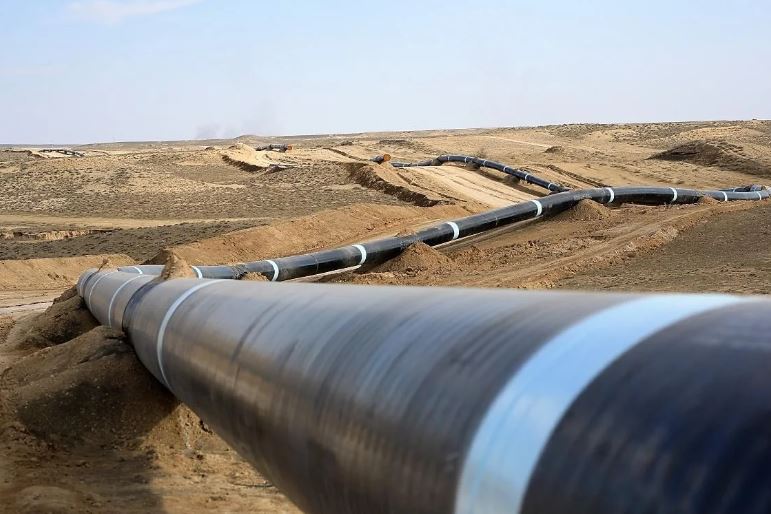
Kazakhstan is considering the Baku–Tbilisi–Ceyhan and Baku–Supsa pipelines, as well as transit across Azerbaijan via the Caspian Sea, as alternative routes for its oil exports. The Kazakh Ministry of Energy confirmed the plans in a statement to the Interfax-Kazakhstan news agency.
The Ministry noted that amid the unstable operations of the Caspian Pipeline Consortium (CPC), Kazakhstan is evaluating supplementary export avenues, specifically the Baku–Tbilisi–Ceyhan and Baku–Supsa routes, as well as transit through Azerbaijani territory across the Caspian Sea.
Notably, KazMunayGas, Kazakhstan’s national oil and gas company, planned to increase oil exports via the Baku–Tbilisi–Ceyhan pipeline by 31 per cent in 2026 compared to 2025, reaching 1.7 million tonnes.
Between January and June 2026, the volume of Kazakh oil shipped through the Port of Aktau towards the Baku–Tbilisi–Ceyhan pipeline reached 704,000 tonnes. The pipeline spans 1,768 kilometres and boasts a throughput capacity exceeding 50 million tonnes of oil per year.
Shareholders in the project include SOCAR (32.97%), Britain’s BP plc (30.1%), Hungary’s MOL (8.9%), Turkey’s TPAO (6.53%), Italy’s Eni and France’s TotalEnergies (5% each), Japan’s Itochu (3.4%), India’s ONGC Videsh (3.1%), and America’s ExxonMobil alongside Japan’s INPEX (2.5% each).