


How to prevent bullying in schools
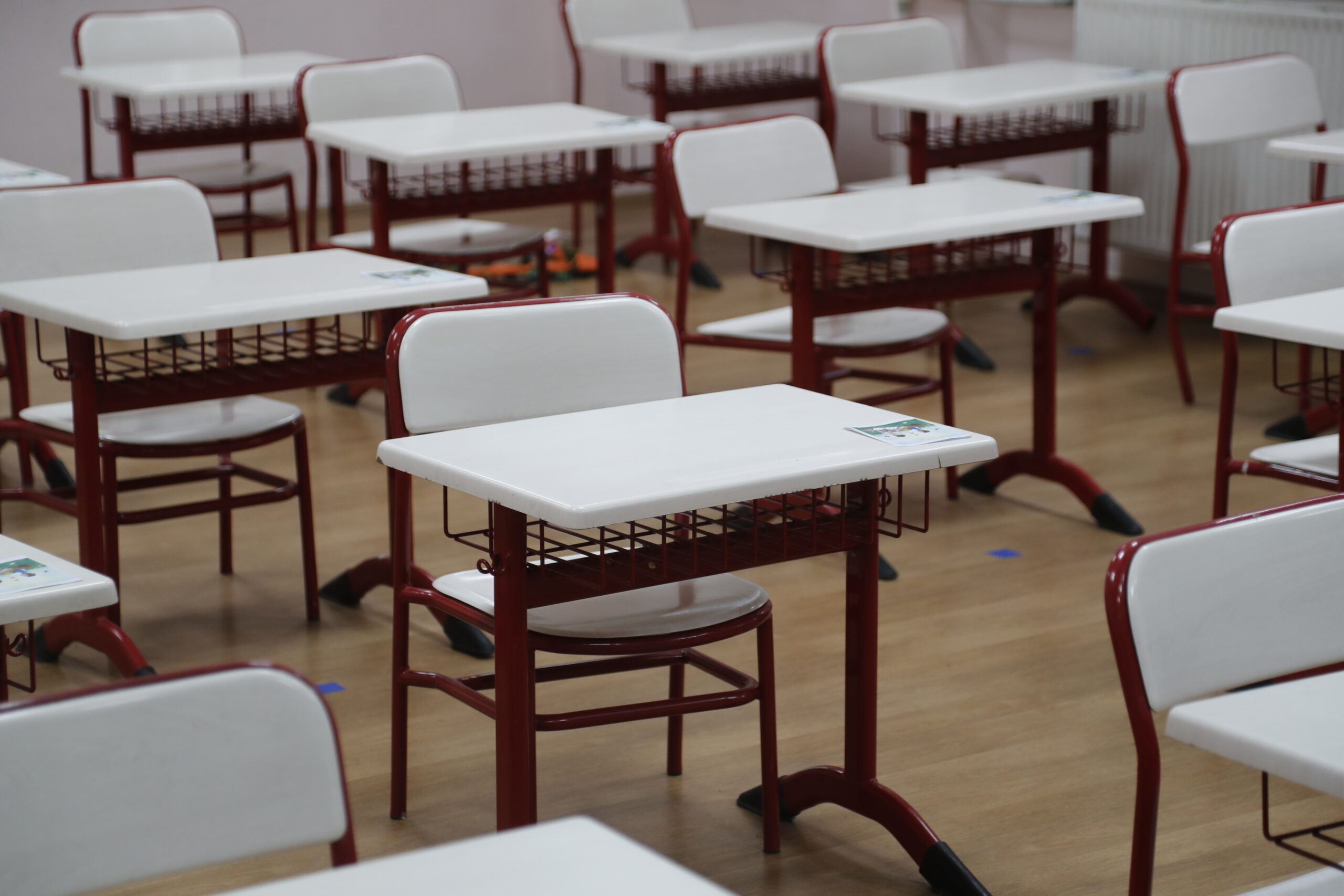
The scale of bullying in Georgian schools is alarming. We interviewed pupils of every age group, and the intensity of bullying they experienced was equally distressing.
The non-governmental organization Ilia’s Legal House launched the project to compile real facts of bullying from both peers and teachers into one book. The children requested that teachers and parents read their challenging stories.
Some of them are listed below:
“I am like grass there! I told it to my mother after returning from school. Mother did not understand what I meant. I didn’t have the mental capacity to explain. “Like grass” means to be bowed down, silent, and weak.
“People made fun of me because of my weight and ethnicity. They found it difficult to pronounce my surname, and they also joked about it. I was disgusted by my last name. I wish I had a different last name.”
“What kind of head shape do you have?! You are so untalented, you can’t do anything! Physical bullying happened as well when I was forced to remove footwear.”
According to Elene Sichinava, Head of Ilia’s Legal House, just teaching ‘no bullying’ is ineffective.
“It is always preferable to instill in youngsters a value system that naturally rejects the impulse for aggressive behaviour. If they are bullied, they will have developed resistance,” she stressed.
Giorgi Liparishvili, a school teacher thinks teachers may make mistakes, “but faults should be remedied.”
“I also made mistakes, but the most important thing is to confess it and work to remedy it. Last year, we established an initiative for boys, engaging with groups of boys in schools. We understand that they are not always heard. Everyone deserves to be heard,” Liparishvili asserted.
The Deputy Head of the Office of Resource Officers of Educational Institutions emphasizes the need for improved social skills in schools, as bullying remains a major issue.
“Another impressive initiative, which is still in pilot mode, is the implementation of the restorative relationship approach in Georgian schools, which entails improving the school climate as much as possible not only between children but also between children and teachers and between teachers and parents. After implementing this strategy, the number of students missing classes decreased. Even the rate of the teachers quitting the jobs is going down,” says Nino Shatberashvili, Deputy Head of the Office of Resource Officers.
There are ten free psychosocial assistance centres and a 24-hour hotline functioning around the country, as well as a crisis intervention group that travels to an educational institution in the event of an emergency.
What is the solution? The answer is as complex as the problem. A safe environment, a healthy community, a value system, and social skills will shape an individual. Of course, swift response by all responsible institutions is critical to preventing bullying and minimising suffering.