Georgian scientist-led researchers revive 46,000-year-old worm
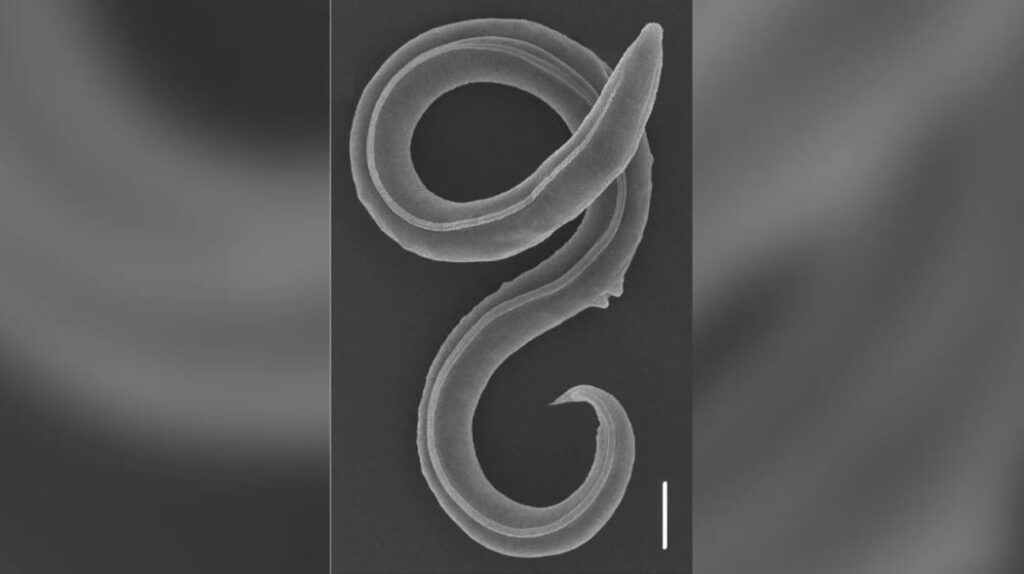
Georgian scientist Teymuras Kurzchalia-led researchers revived a 46,000-year-old worm, two types of nematodes found in Siberian permafrost in 2018, estimating they were over 42,000 years old.
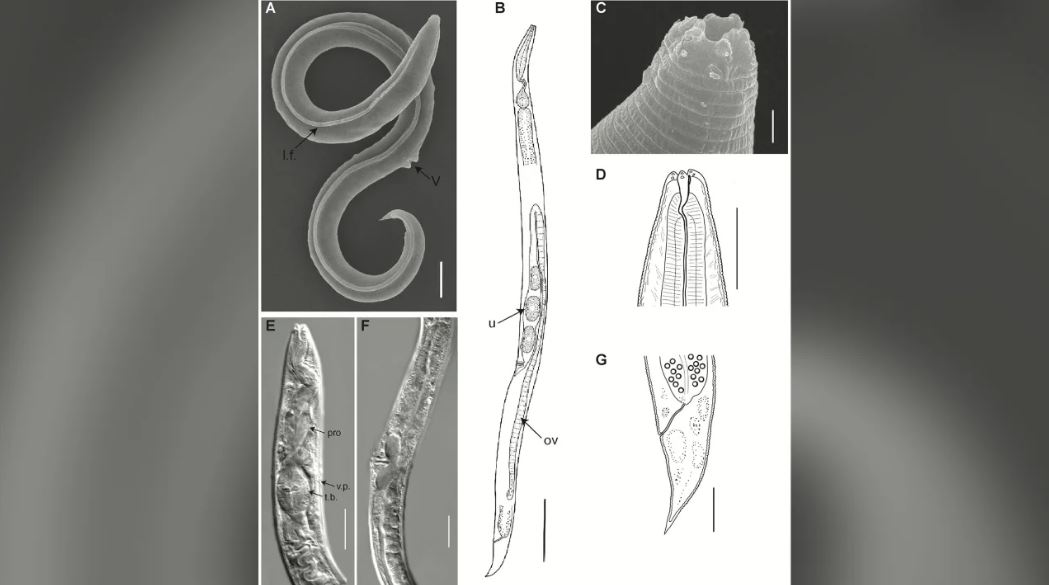
As a result of continued research on worms, one of the nematode species was identified as a novel species, Panagrolaimus kolymaensis, discovered in Siberia, near the Kolyma River. Scientists estimate its age to be 46,000 years old, based on plant material found with these nematodes.
“The radiocarbon dating is absolutely precise, and we now know that they really survived 46,000 years,” says study co-author Teymuras Kurzchalia, a cell biologist emeritus at the Max Planck Institute of Molecular Cell Biology and Genetics in Dresden.
Panagrolaimus species are found worldwide, they survive in desiccated or frozen environments. Scientists call this phenomenon cryptobiosis – the body’s ability to halt its own metabolism under adverse environmental conditions.
Some scientists are skeptical of the findings, just as they were in 2018 when the initial study was done. Non-participating researchers thought the studied nematodes might have been “contaminated by modernity.” According to them, the study analysis does not confirm the age of the worms, but rather the plant material found in them in 2002, 40 meters down.
Despite not participating in this process, Kurzchalia believed in scientists’ sterility practices to ward off contamination. Kurtskhalia became curious about the story and invited a Russian co-author to his lab to study numerous samples further.
“Organisms can resist total dehydration, anoxic conditions, high temperatures, freezing, and highly brackish environmental conditions when in cryptobiosis. Their metabolic rate continues to decline to the point where it is impossible to notice it as they remain in a position halfway between death and life,” according to Kurzchalia, highlighting that until now scientists have revived organisms that have been in this state for decades, not millennia.