


EU Integration Committee Chair: Georgia fulfills EU visa-free criteria, decision now in hands of member states
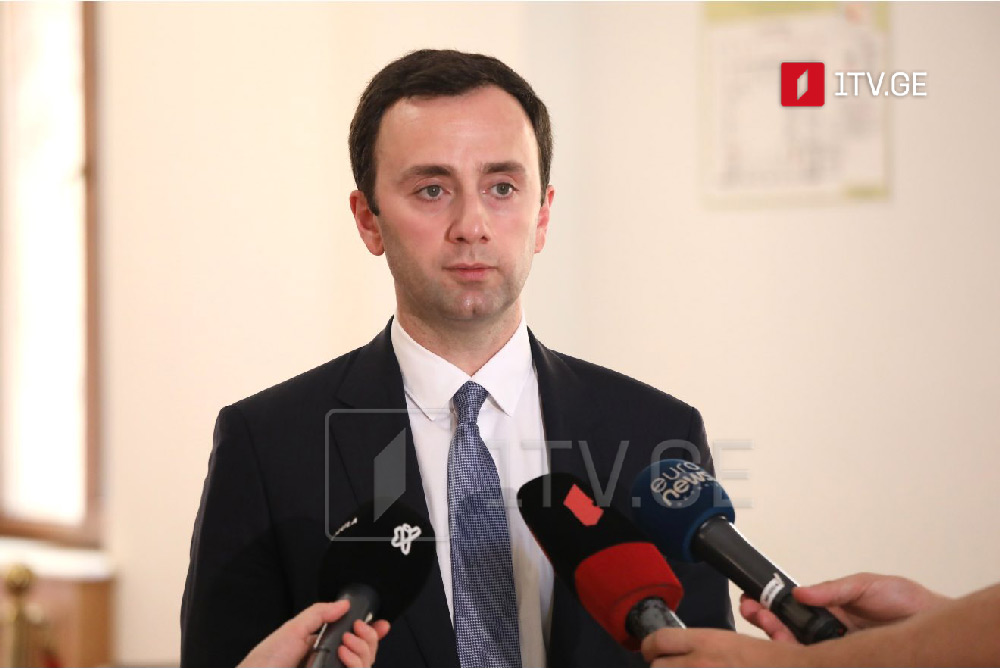
“Based on objective assessments, we do not expect any significant changes regarding visa liberalization. We observe efforts both from within the country and from certain external actors, including some in the European Union, to use this issue as political blackmail and a political weapon against the Georgian state and government,” Levan Makhashvili, Chair of the Parliament’s European Integration Committee, stated.
According to him, “this effort is not new and will continue.”
“Whether it’s November, December, or next year, we expect they will persist. Georgia has been and will continue to work to ensure that the criteria for the visa-free regime are fully met and that the EU faces no risks from Georgia. This is our responsibility.
It is up to the EU member states to make their own decisions. However, the changes the European Union is introducing to the visa-free regime suspension mechanism disregard existing statistics — for example, what Georgia is doing to protect the EU and its citizens. They may choose to ignore this and make political decisions, which is their right.
The key is that the Georgian public knows who the responsible actor is — the government, which is doing everything to meet the criteria — and who the irresponsible actors are — internal political forces turning this important issue into a weapon for domestic confrontation,” Makhashvili emphasized.
Makhashvili noted that the public clearly distinguishes between responsible and irresponsible political forces, accusing radical groups and certain opposition parties — both domestic and linked to political families within the EU — of trying to undermine the country’s stability.
“These forces, having failed at the ballot box, are now trying to change the government through violence, blackmail, and pressure. Their goal is to damage Georgia’s interests and put pressure on the government,” he said.
Makhashvili also stressed the importance of diplomatic responsibility and adherence to the Vienna Convention, noting that some ambassadors’ actions have been “categorically unacceptable.”
“Each ambassador must act in line with the Vienna Convention. When we see actions incompatible with it or with friendly bilateral relations, we reserve the right to express our opinion in different ways,” Makhashvili concluded.