


EU 21st sanctions package hits Kulevi Oil Refinery with six-month grace period before measures take effect
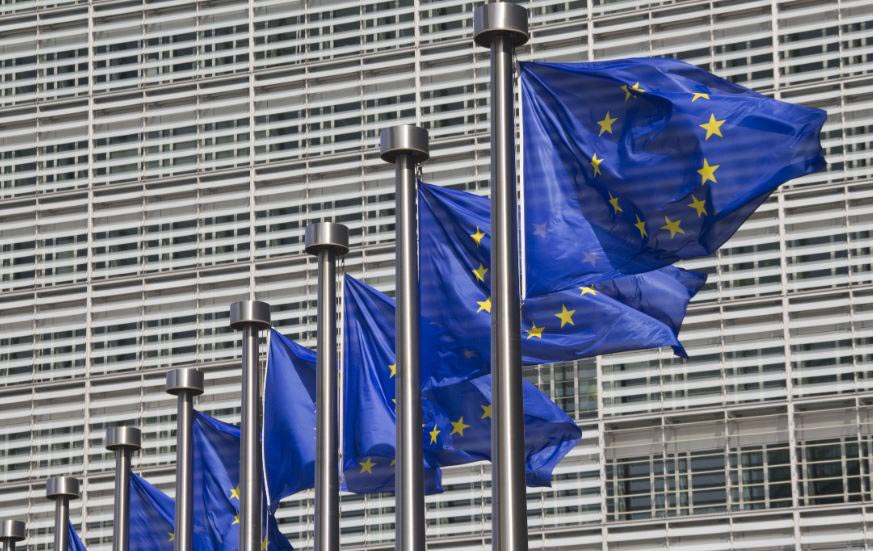
The Council of the European Union has adopted its 21st package of restrictive measures against Russia, targeting Georgia-registered cryptocurrency platforms alongside the oil refinery in Kulevi; the official press release was published on the Council’s web portal.
The package introduces stringent economic sanctions against the sectors driving Russia’s economy and sustaining its war of aggression against Ukraine.
As highlighted in the Council’s statement, this represents the largest single batch of individual designations in four years, penalising a total of 218 actors, comprising 48 individuals and 170 entities.
According to the EU, the objective of the new package is to further cripple Russia’s economy and military apparatus following recent brutal strikes that deliberately targeted civilian, energy, water, healthcare, and cultural infrastructure across Ukraine.
The EU has stated that it will maintain and escalate pressure on Russia to force Moscow to halt its war of aggression and engage in meaningful negotiations towards a just and lasting peace.
According to a press release from the Council of the European Union, the bloc has significantly expanded its measures against Russia’s financial and banking sector. Asset freezes and prohibitions on making financial resources available will affect 94 banks and major financial institutions, as well as a prominent figure in the Russian banking establishment. Furthermore, the transaction ban has been extended to an additional 33 Russian credit and financial institutions.
The EU has imposed sanctions on a Kyrgyz bank linked to Russia’s financial messaging system (SPFS), as well as three other foreign banks involved in circumventing sanctions. The EU is also extending transaction bans to 14 cryptocurrency platforms based in Georgia, Panama, the UAE, the Marshall Islands, Kyrgyzstan, and Belarus. In addition, the EU is introducing a mechanism to enforce a complete ban on third-country crypto-asset services if they are used by Russia to evade sanctions.
In the energy sector, the EU has temporarily suspended the automatic adjustment mechanism for the oil price cap until July 15, 2027, to ensure Russian oil revenues remain contained. The EU is also continuing its crackdown on Russia’s “shadow fleet”, adding a further 41 vessels to the sanctions list (bringing the total to over 670). These measures target vessels involved in bypassing the oil price cap, supporting Russia’s energy sector, or transporting military equipment and stolen Ukrainian grain.
Sanctions have also been levied against eight entities and one individual connected to the shadow fleet ecosystem, including companies operating on behalf of Russian oil majors. The EU has extended sanctions across the broader oil sector, with restrictions targeting 18 entities and one individual, including three Russian refineries, a major Belarusian refinery, and a firm selling Belarusian petroleum products within Russia.
Within the framework of these sanctions, the EU has imposed a transaction ban on an oil refinery located in Kulevi, Georgia, which trades and processes Russian oil. The ban will take effect in six months. Additionally, five oil traders attempting to circumvent prohibitions on purchasing Russian crude oil and petroleum products have been added to the sanctions list.
To constrain Russia’s military capabilities, the EU has sanctioned 56 individuals and companies connected to the Russian military-industrial complex, 37 of which are directly linked to the production and supply chain of long-range drones.
A further 51 new entities have been added to the list facing tightened export restrictions on dual-use goods and technologies. These include companies operating in China (including Hong Kong), India, Kazakhstan, Kyrgyzstan, Turkey, and the UAE that assist Russia in evading export controls.
Furthermore, the 21st sanctions package lays the groundwork for a comprehensive visa ban targeting active and former personnel of the Russian armed forces, as well as members of pro-Russian proxy groups.
According to the press release, the Council of the EU will later determine when this ban will enter into force.
The EU has also expanded export bans on goods and technologies used in Russia’s defence industry, including nickel powders, specialised jet engine metals and alloys, beryllium powders, aerospace materials, and components for unmanned aerial vehicles (UAVs). New import restrictions have also been introduced on high-revenue goods for Russia, such as copper, nickel, and lead ores, zinc, glassware, and automotive parts.
The new package includes mirrored measures against Belarus, encompassing import bans on revenue-generating goods, export restrictions linked to the military sector, and legal protections for EU operators.
Additionally, the EU has sanctioned eight individuals involved in spreading Russian war propaganda and constructing disinformation narratives against Ukraine. As part of the package, sanctions were also imposed on a Russian Major General accused of the torture, execution, and desecration of the bodies of Ukrainian military personnel, including prisoners of war.
Under the same package, the EU is strengthening legal protections for European companies against litigation in Russian courts. The new rules will allow EU courts and member states to refuse to recognise or enforce Russian court judgments relating to EU sanctions.
According to the press release, the relevant legal acts will be published in the Official Journal of the European Union shortly.