


ADB to prioritize connectivity, sustainability, and resilience of CAREC multimodal corridors, part of which is Georgia
“The Asian Development Bank (ADB) will prioritize the connectivity, sustainability, and resilience of CAREC multimodal corridors, part of which is Georgia,” said ADB Director General for Central and West Asia, Leah Gutierrez.
According to Gutierrez, the development of multimodal corridors will occur through projects in road and rail infrastructure, aviation, smart mobility, and water transport.
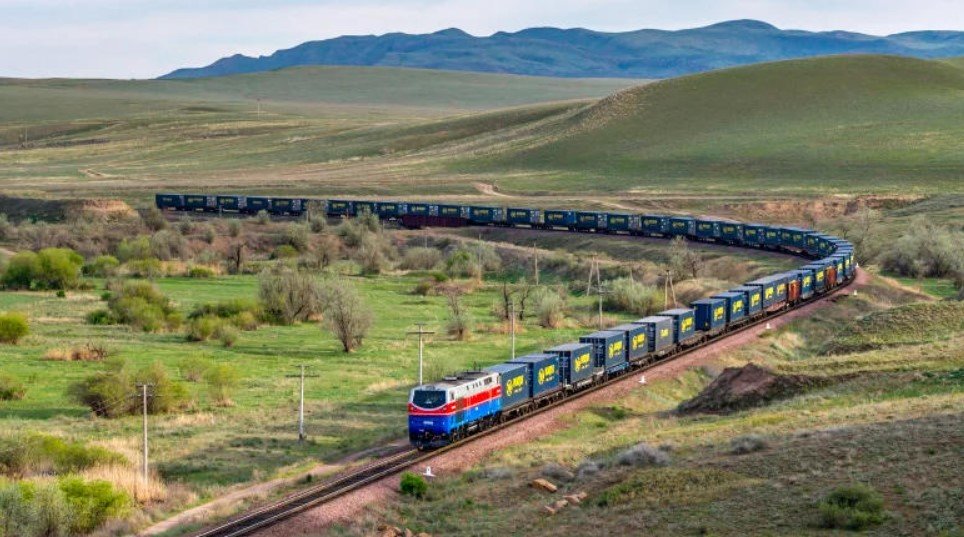
Particular attention will be paid to Corridor 2, which is largely coordinated with the Middle Corridor, to modernize and digitalize it to become a fully-fledged economic corridor.
Progress is planned to be monitored through a corridor performance measurement and monitoring system and other assessments. The new BUILD border crossing improvement funding mechanism will help governments eliminate bottlenecks and facilitate cross-border transport and trade, Gutierrez noted. Special working groups, including newly established road and smart mobility groups, as well as annual industry meetings, will ensure ongoing assessment and stakeholder engagement.
In the energy sector, ADB will focus on expanding renewable generation, modernizing electricity transmission and distribution infrastructure, and strengthening regional energy connectivity to support the low-carbon goals of countries in the region.
“ADB will also work with partners on major regional projects, such as the Rogun Hydroelectric Power Plant (HPP) in Tajikistan and the Kambarata-1 HPP in the Kyrgyz Republic. These projects have the potential to strengthen energy security, provide significant clean hydropower, and expand electricity trade across the region,” Gutierrez emphasized.
At the same time, the bank will continue to support cross-border initiatives, including the Green Energy Corridor across the Caspian Sea, which involves Azerbaijan, Kazakhstan, and Uzbekistan. This could be expanded to include other countries in the region in both electricity production and transit.
“The effectiveness of the projects will be assessed based on the increase in renewable energy capacity, improved reliability and flexibility of the power grid, reduced losses, and the creation of regional platforms and corridors for the exchange of clean energy within the CAREC region and beyond,” concluded Leia Gutierrez.