


Shalva Papuashvili: EU trusts Ukraine to defend its territory with blood, but not its interests with words
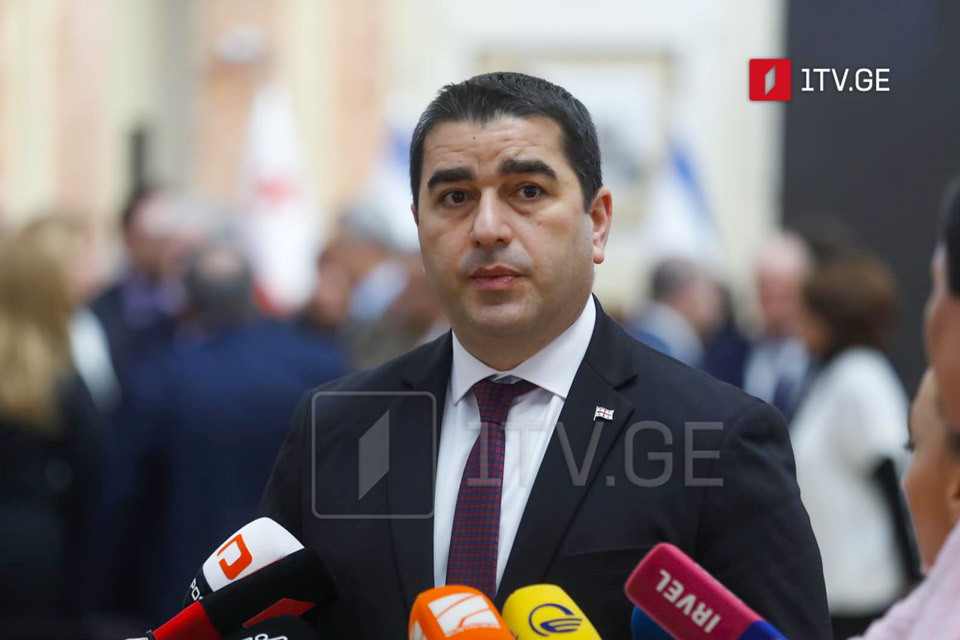
“European Union member states do not want Kaja Kallas representing the bloc in major negotiations,” Georgian Parliament Speaker Shalva Papuashvili stated.
He added that the situation reflects the EU’s immature foreign policy.
“The European Union still does not have a seat at the negotiating table, and that is entirely down to its immature foreign policy, to which Kaja Kallas has made a major contribution. The challenge is not merely that Russia may be reluctant to sit across from certain representatives. We see that the new US administration also avoids direct meetings. Two years into the new US administration, the US Secretary of State and the EU’s top diplomat have still not held a bilateral meeting—crossing paths only at multilateral forums and conferences.
Distrust towards the High Representative exists within the EU itself. Following the Abu Dhabi rounds of talks, US negotiators travelled to Moscow and then to Dublin, announcing that EU representatives would likely join the next round. Yet it remains unclear who will represent the bloc. Kaja Kallas insists she should be the one, but we know there is no internal consensus on that. EU member states do not want Kaja Kallas representing the union in such crucial talks. We see Finland’s president involved at one moment, Norway’s at another, followed by mutual recriminations. That is the picture of the EU’s immature foreign policy,” Papuashvili said.
The Georgian Parliament Speaker went on to say: “As for Kaja Kallas’s claim that European security matters are being decided and that the EU must be present: Ukraine is a party at that negotiating table. So they trust Ukraine to defend EU territory with its own blood, yet do not trust it to defend EU interests with its words? If anyone at that table has the right to speak on European security, it is Ukraine, because it has earned that right in blood to discuss European security, potential solutions, and the future security system. EU member states have not shed a single drop of their own blood to earn a seat in shaping Europe’s future security architecture. Not a single drop, not an Estonian, not a Frenchman, not a German. Ukraine shed its blood precisely so that when it comes to the future security system, it has the decisive voice, and its position and terms are decisive.
Kaja Kallas triumphantly remarked that sanctions rest with the EU, and that the matter cannot be resolved without Brussels. What does that mean? That if terms acceptable to Ukraine emerge during negotiations, and a precondition is easing, lifting, or otherwise modifying sanctions, the EU, if excluded, will block such an agreement and deny Ukraine peace simply because it was not involved? What we are hearing is the language of blackmail, to which Brussels has grown accustomed of late. That is precisely the Soviet mentality in Brussels; if they are not included, they will overturn the table using the language of blackmail, treating Ukraine as having no say in European security.”
For context, EU High Representative for Foreign Affairs and Security Policy Kaja Kallas stated that the European Union should be represented in peace negotiations between Ukraine and Russia by herself, European Council President António Costa, and European Commission President Ursula von der Leyen.