


Papuashvili: Hypocrisy, thy name is EU; European nations critique Georgian exports while quietly trading with Russia
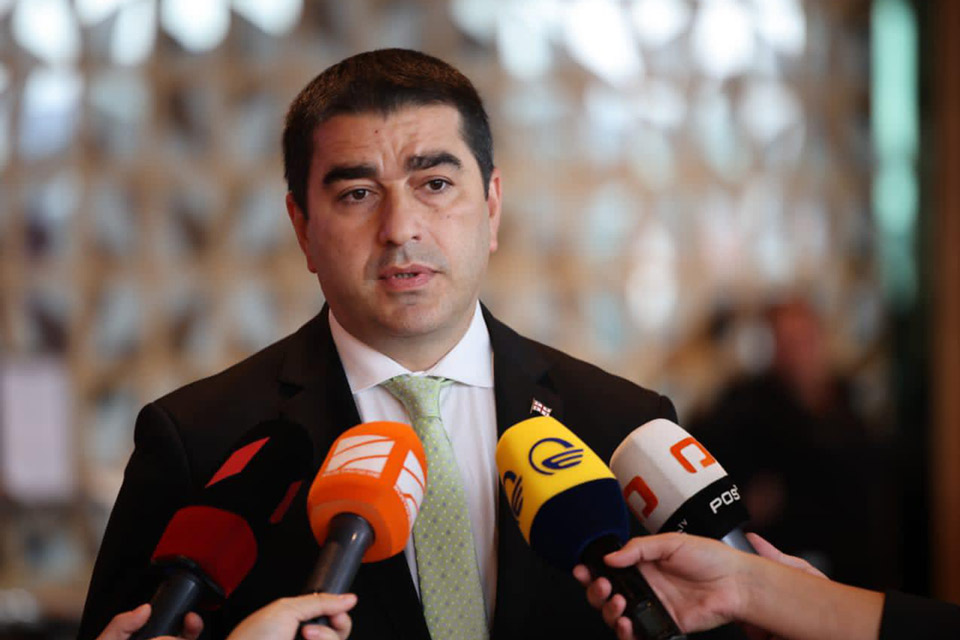
“We were told to align our foreign policy statements with those of the European Union, which implied imposing sanctions on Russia, even though everyone knew full well that the moment Georgia embarks on a path of escalation with Russia, retaliatory measures will follow, effectively closing off this avenue and causing corresponding damage,” Speaker of the Georgian Parliament Shalva Papuashvili has stated.
The Parliament Speaker was asked about a recently uncovered scheme detailing how wine entered Russia in 2025. Reports revealed that Poland and Latvia have been buying wine from third countries and re-exporting it to Russia disguised as domestic production, despite the fact that Georgia has faced intense scrutiny for its wine trade with Russia. He was asked whether this constituted a double standard by EU member states and why Poland and Latvia might act in this manner.
In response, Shalva Papuashvili remarked: “Hypocrisy, thy name is EU; that is the impression we are left with.”
“It turns out they even act as middlemen, exporting wine from other nations despite producing none themselves. They were actually overtaking us or closely matching our numbers, proving that no country shies away from making a profit during wartime, even as they publicly claim to have completely decoupled from the Russian market. We refused to participate in this hypocrisy from the very beginning. From the outset, we maintained that we act strictly in accordance with national interests. Our national interest dictates having open access to the Russian market for both exports and imports. This enables our businesses to grow their revenues, strengthens our economy, ensures access to affordable energy resources, and allows us to develop the country,” Shalva Papuashvili stated.
He further noted that while the EU claims to have cut ties with Russian energy sources and businesses, it has in fact paid 350 billion euros to Russia during the war—more than it has provided to Ukraine.
“It turns out they export wine directly or covertly using various countries and intermediaries to supply Russia. Why then do they pick quarrels with us? All of this demonstrates the absolute hypocrisy of EU policy, which has been evident for a long time. The public realised long ago that we must not fall for this: behind the high-sounding speeches and bombastic declarations of certain European leaders lies ordinary business conducted with Russia,” Shalva Papuashvili declared.